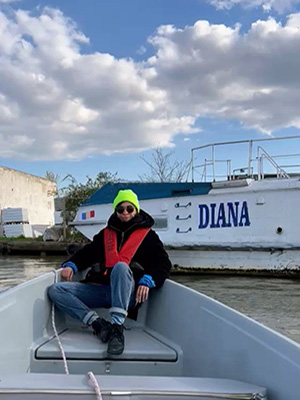
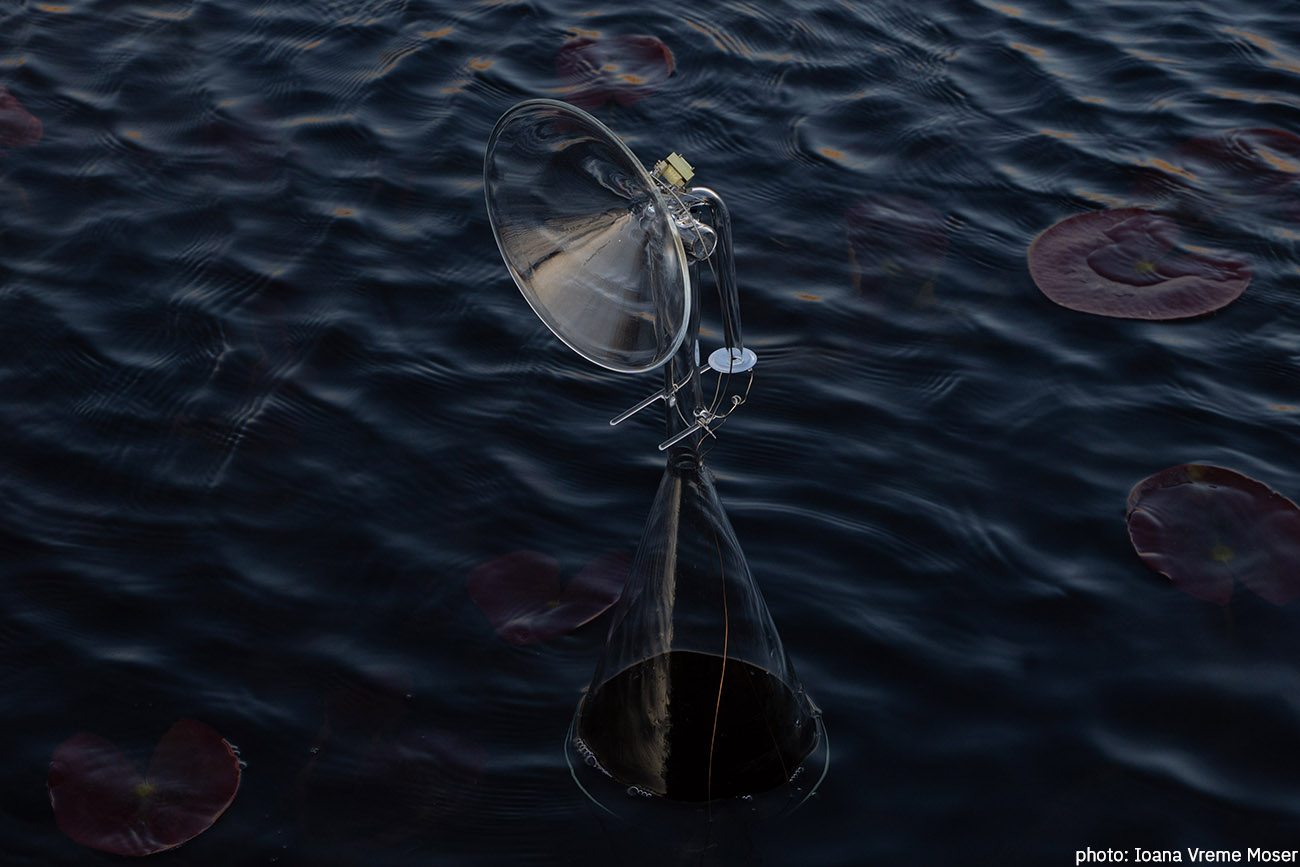
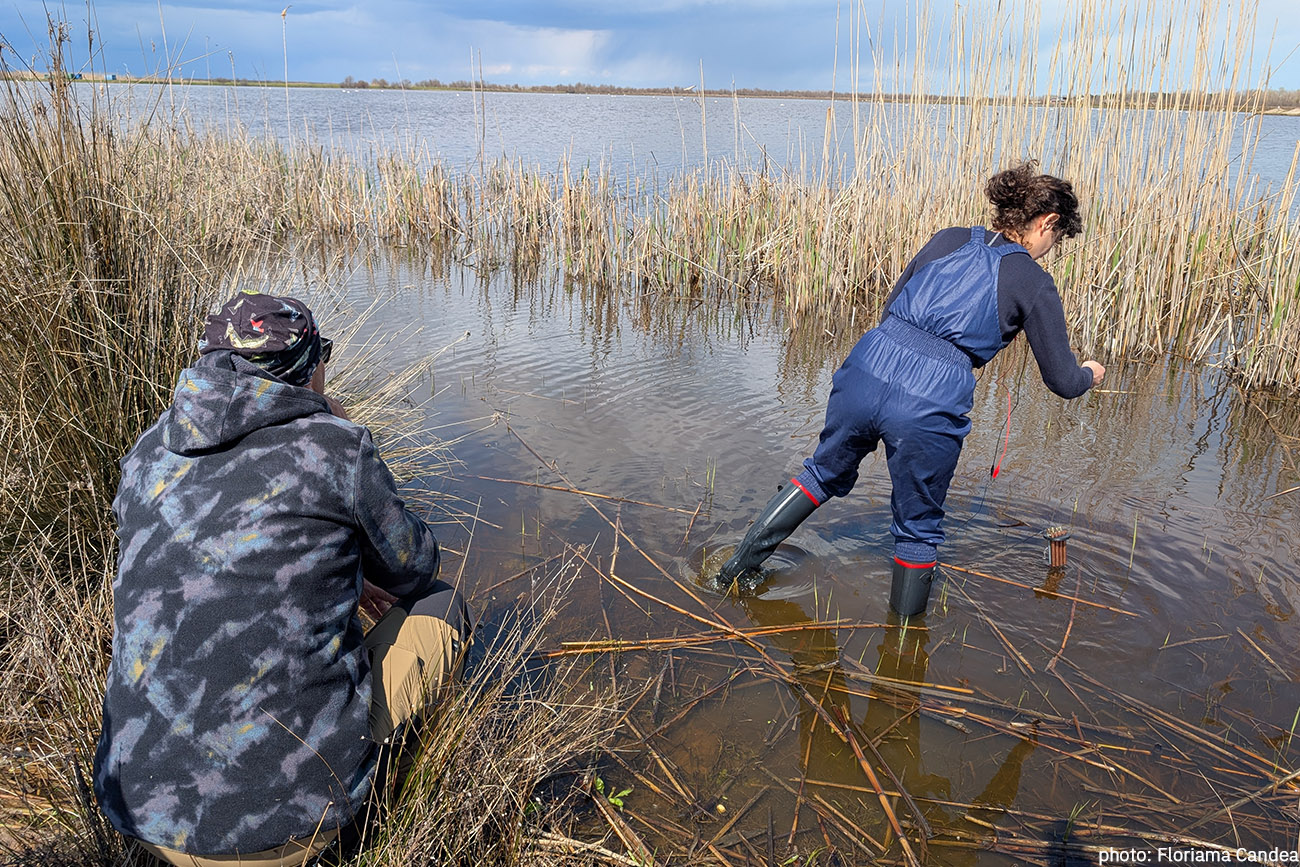
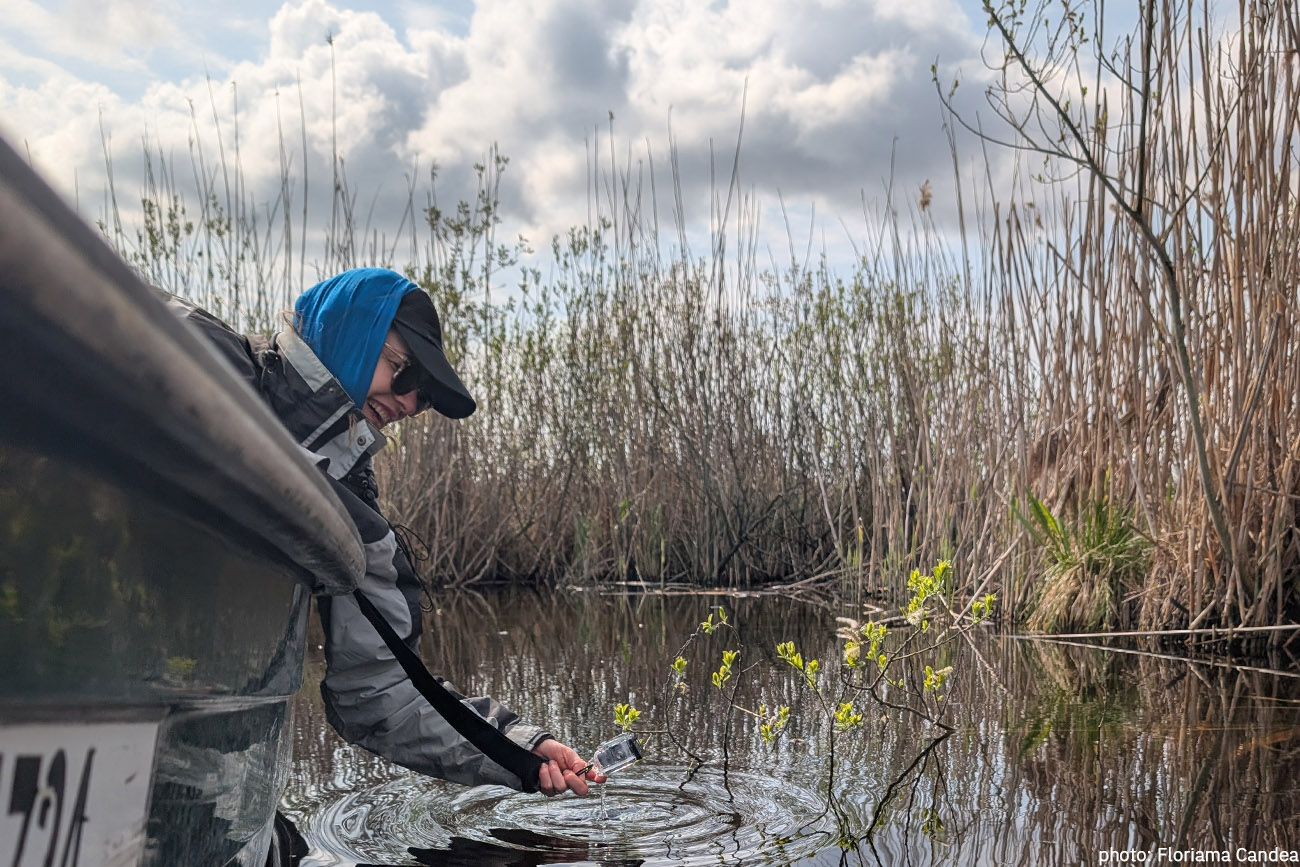
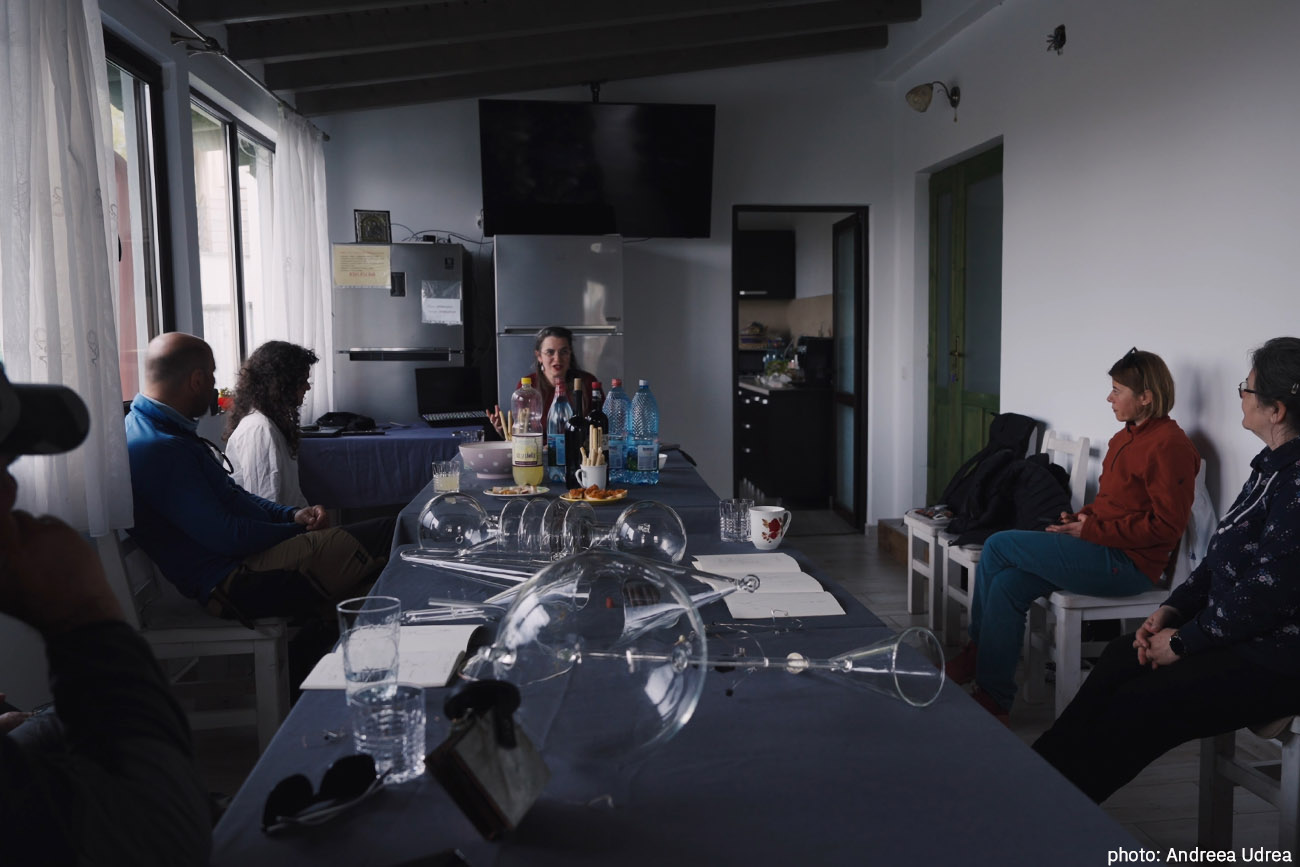
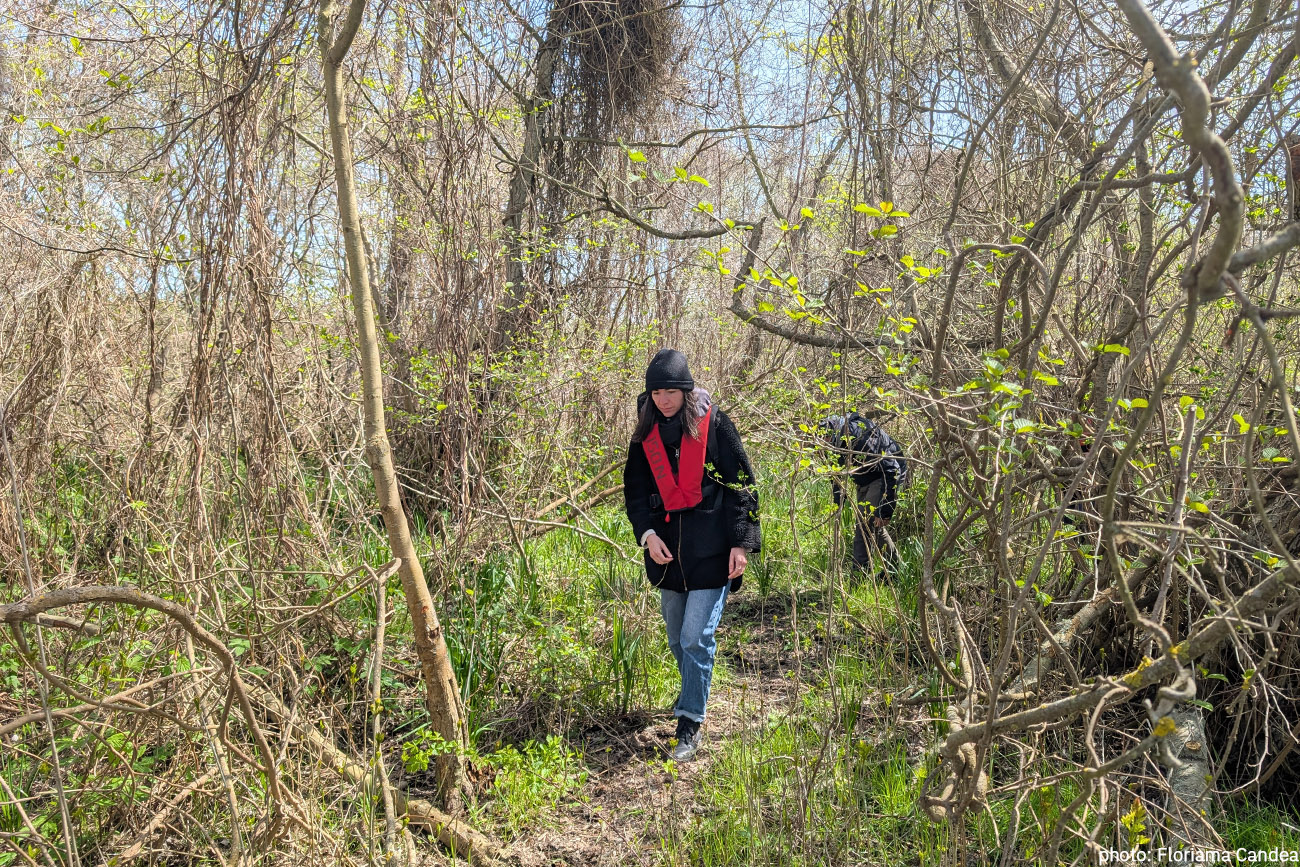
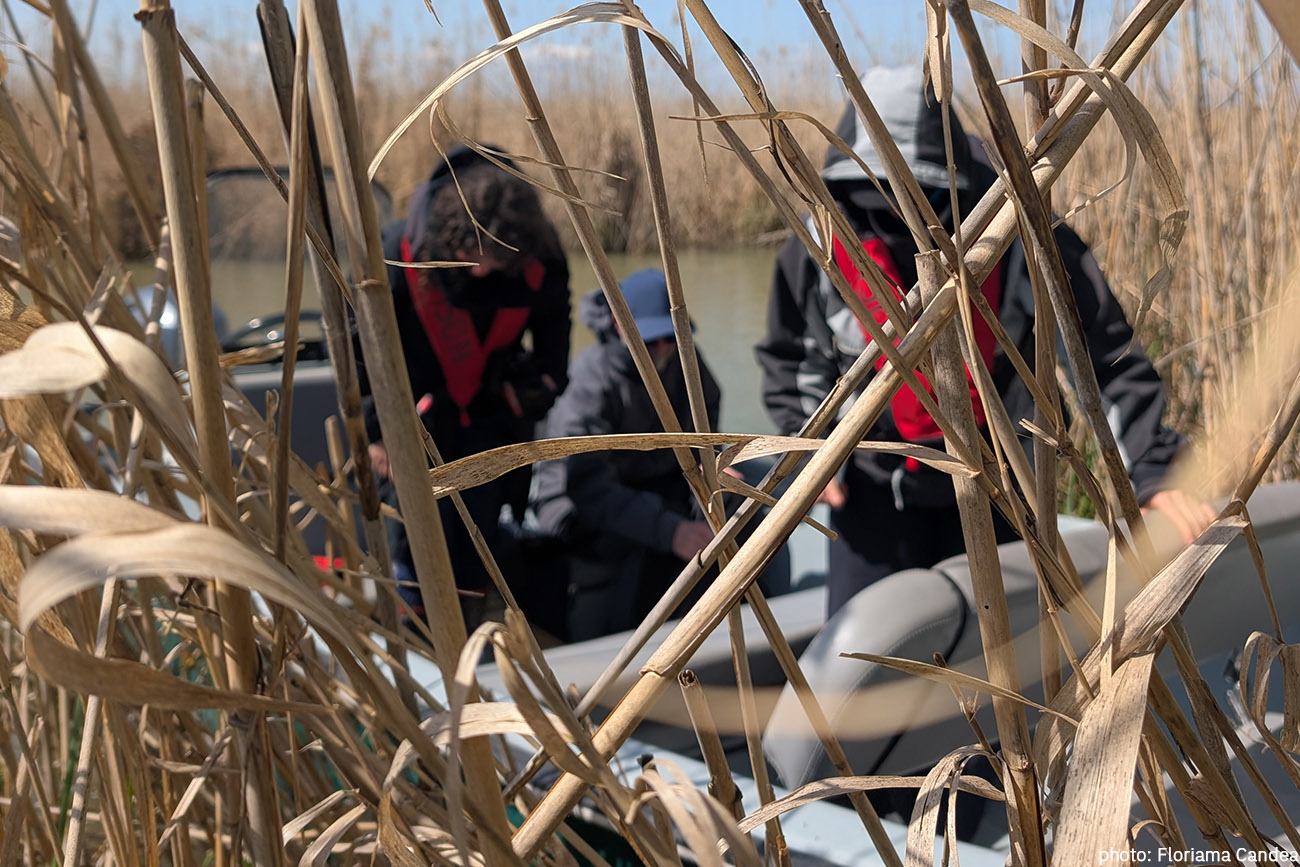
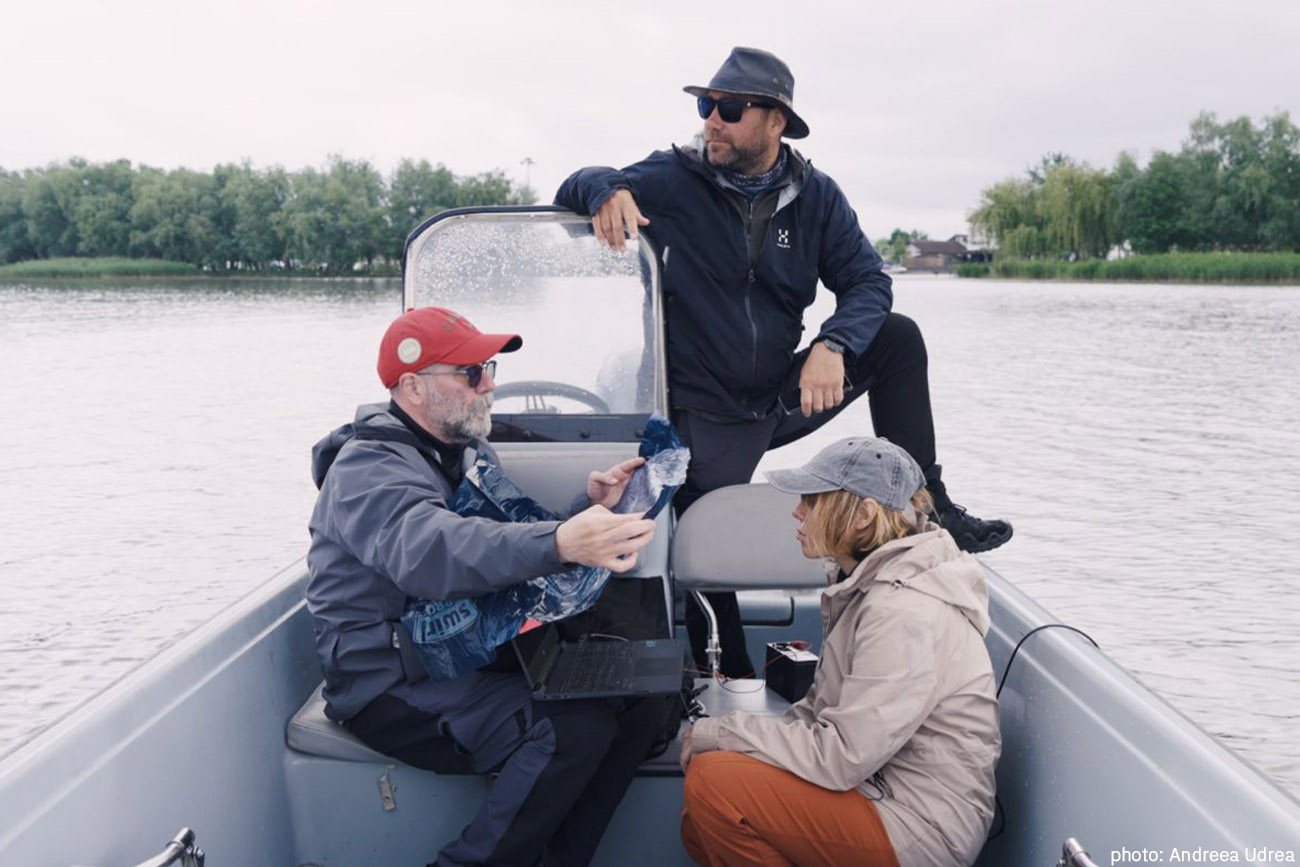
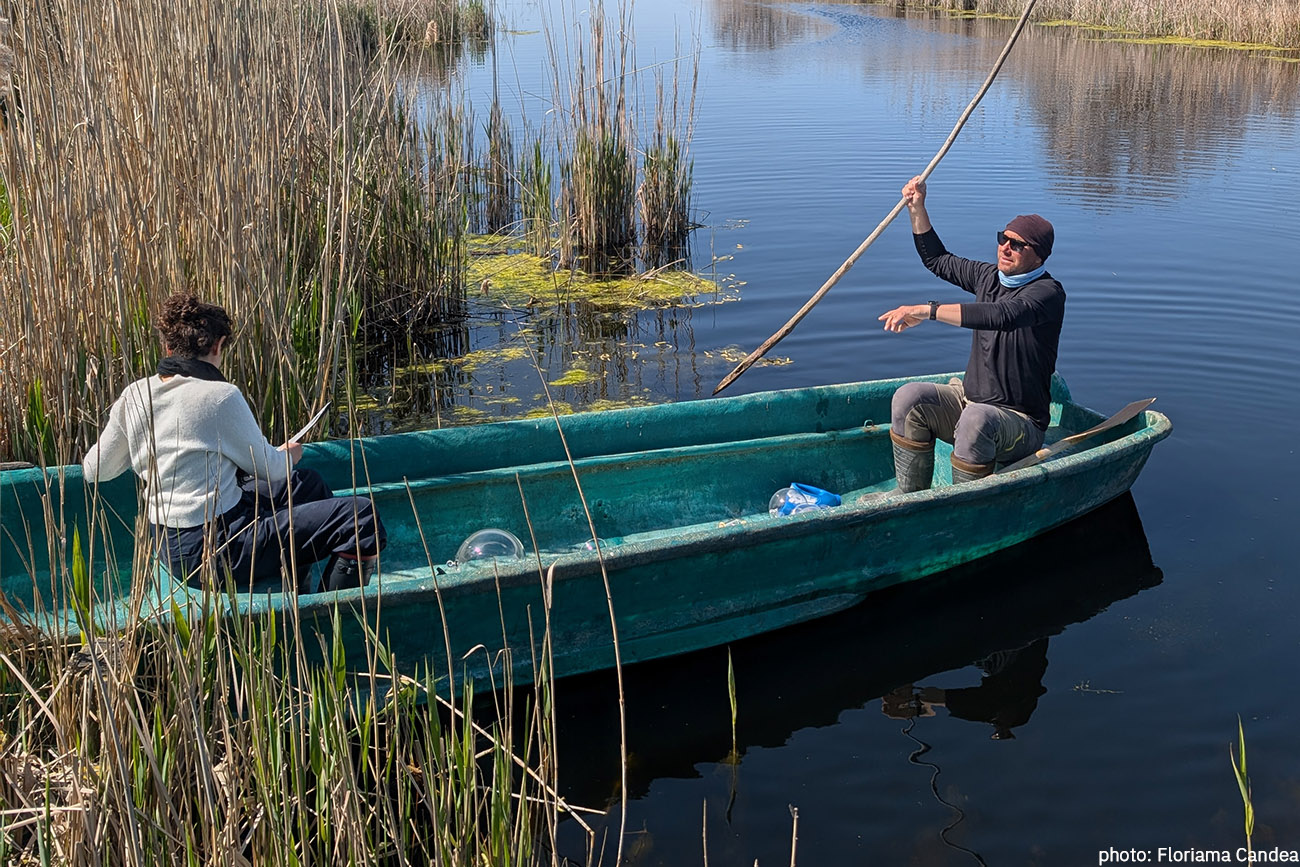
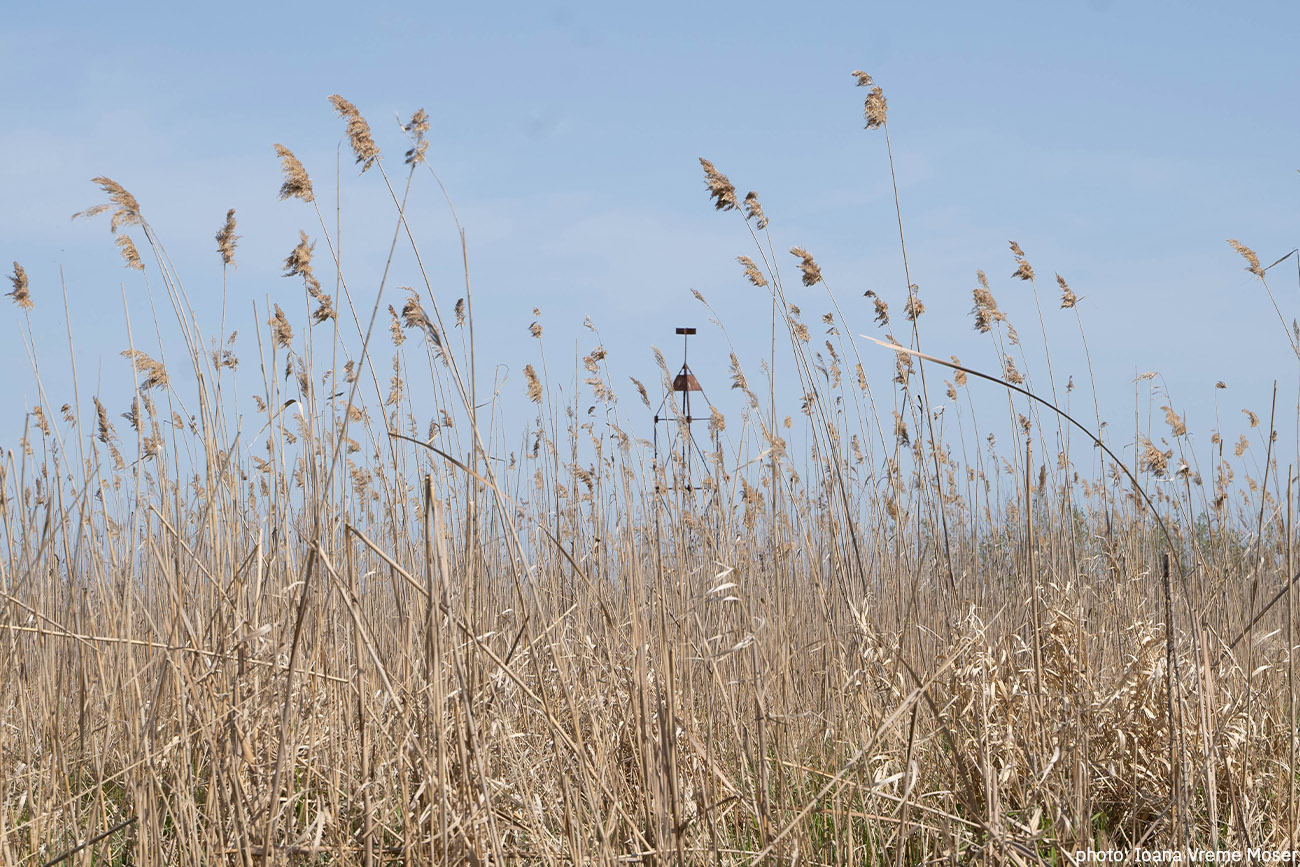
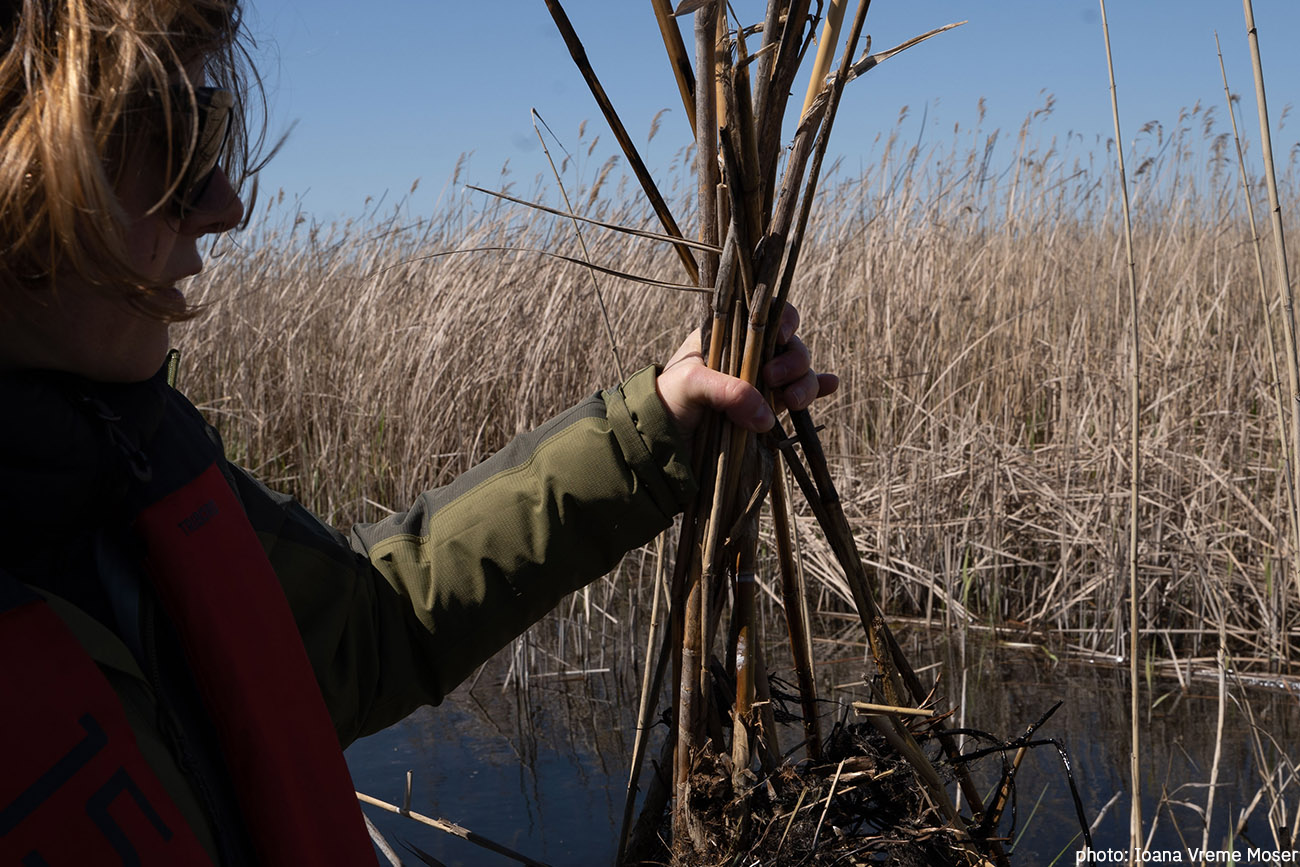
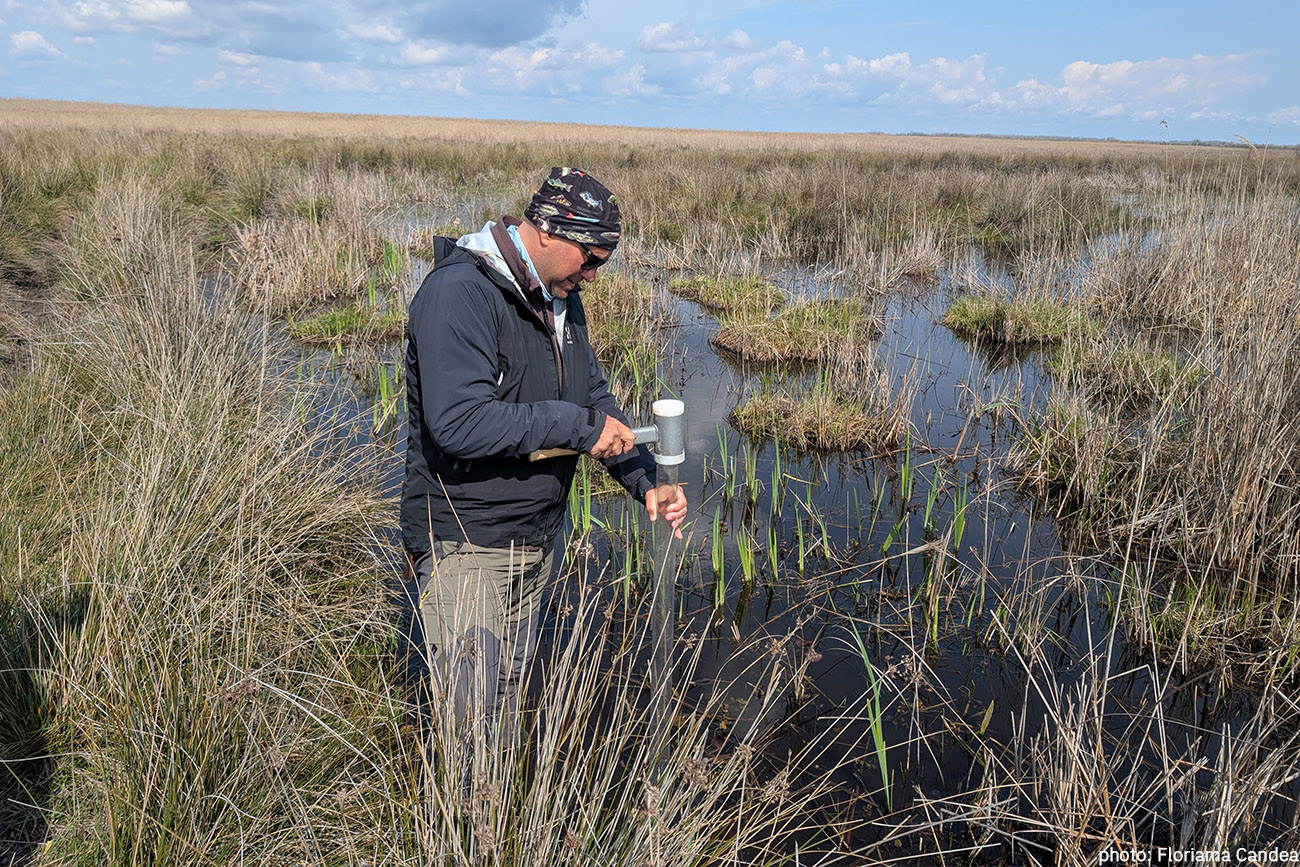
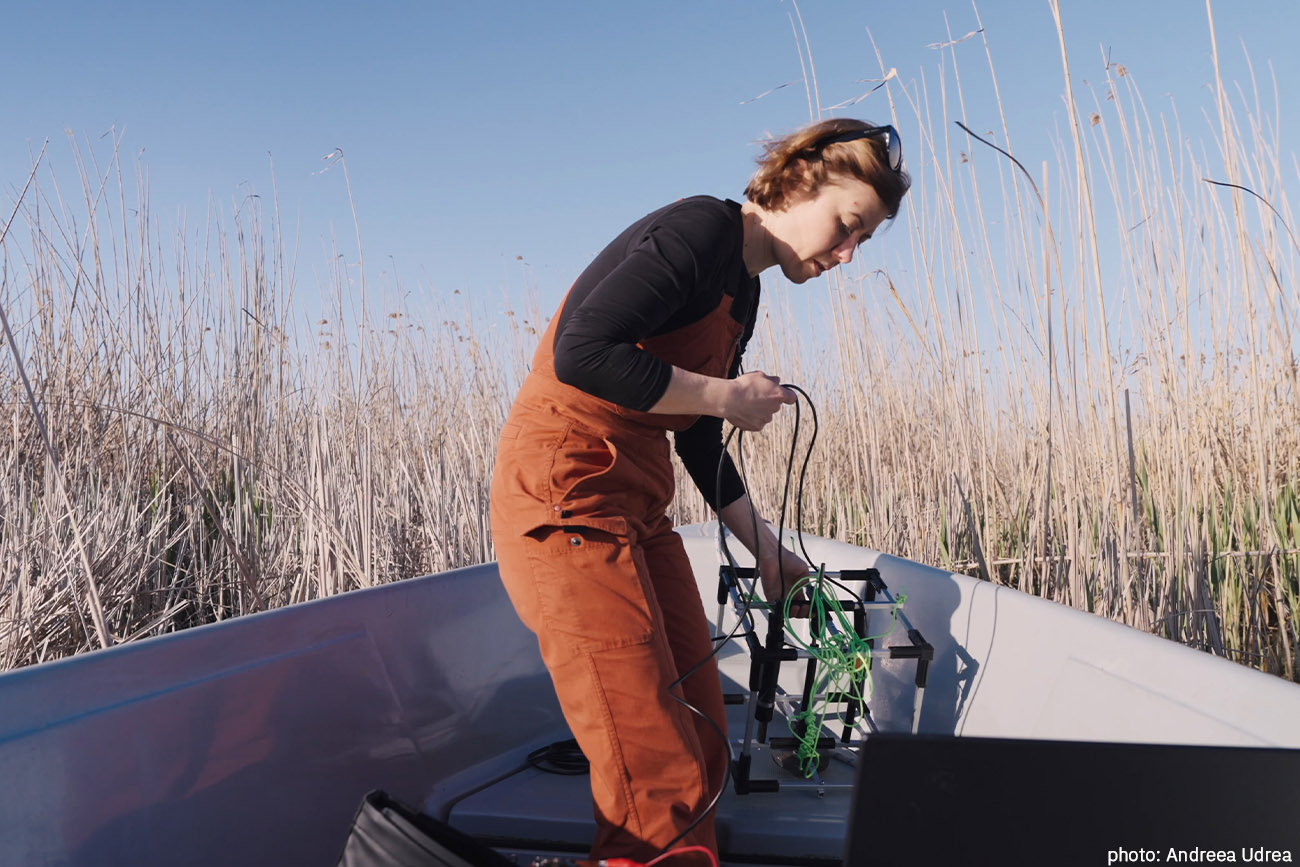
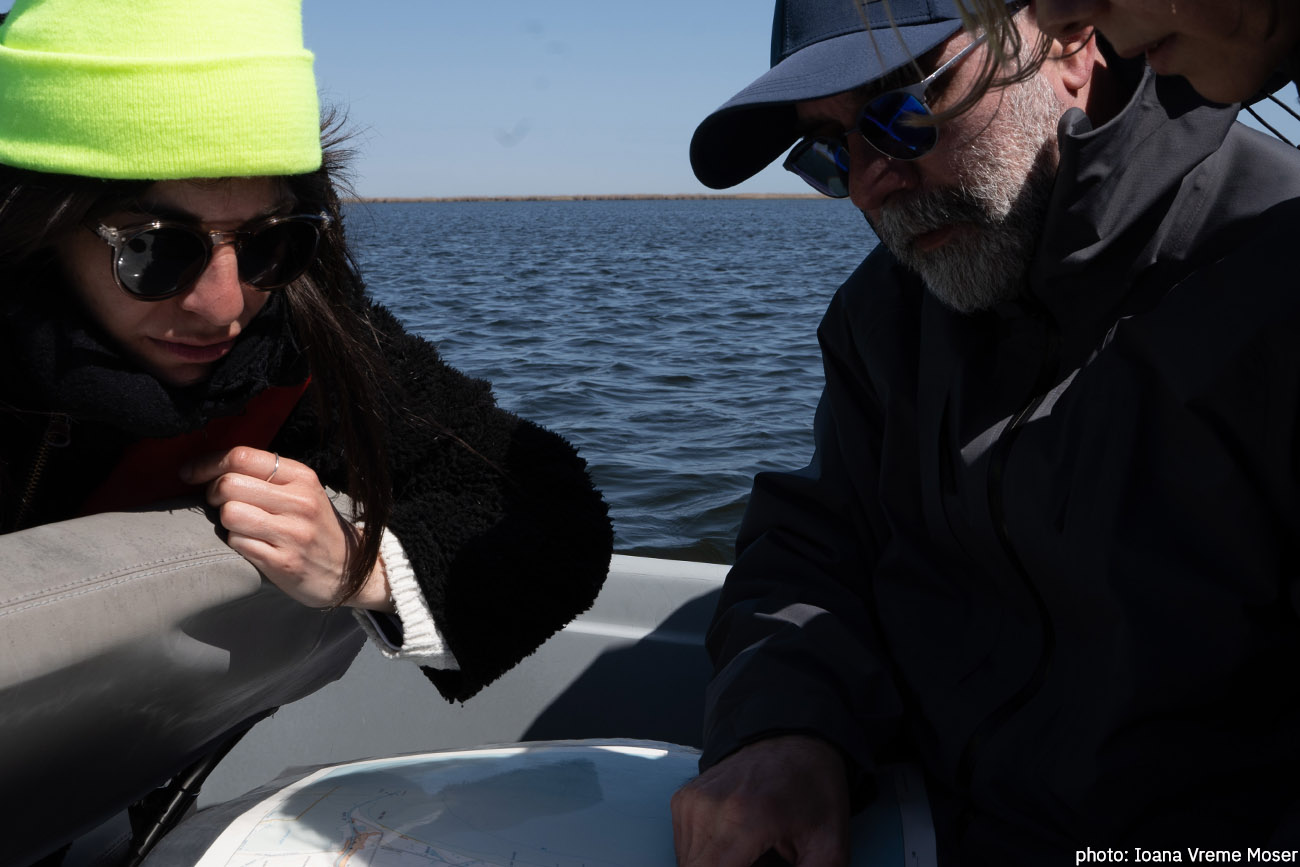
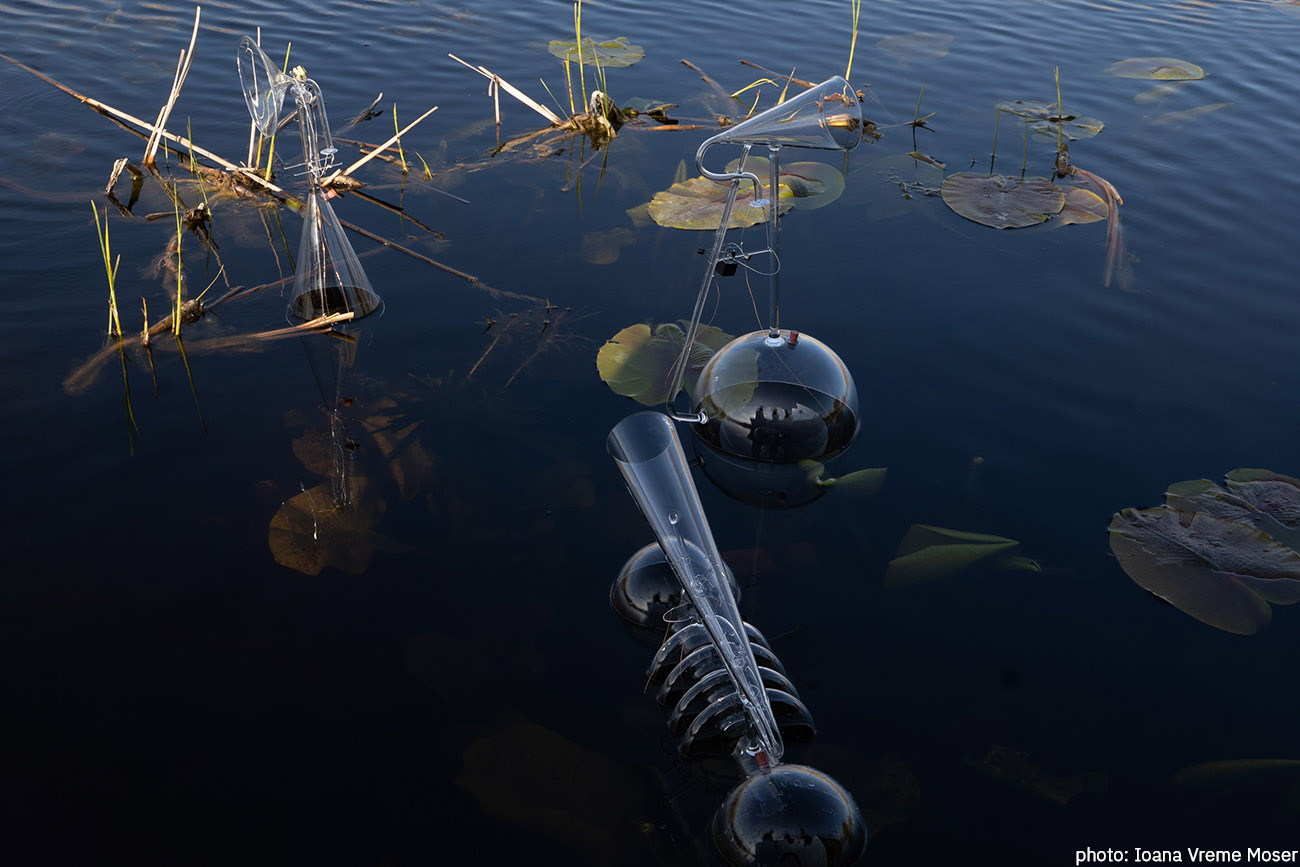
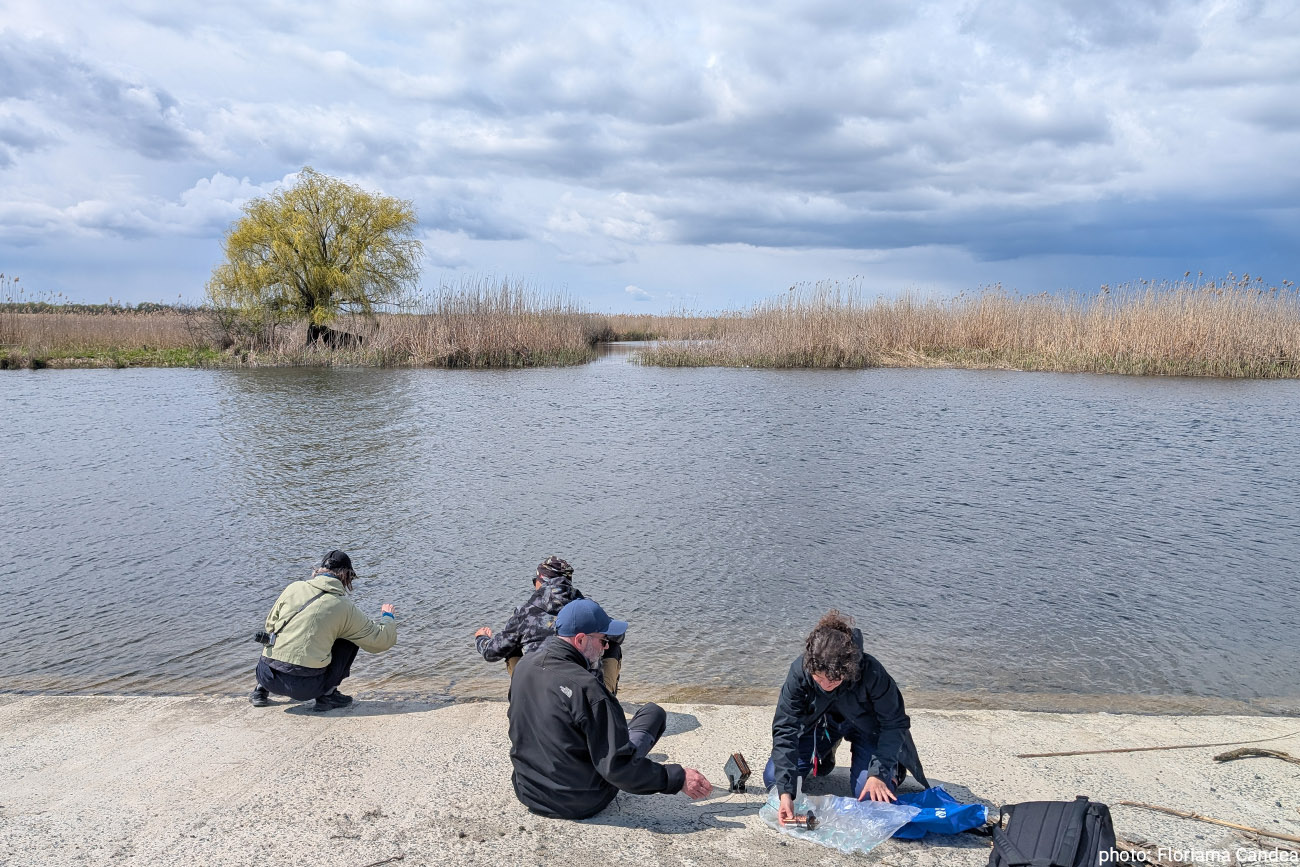
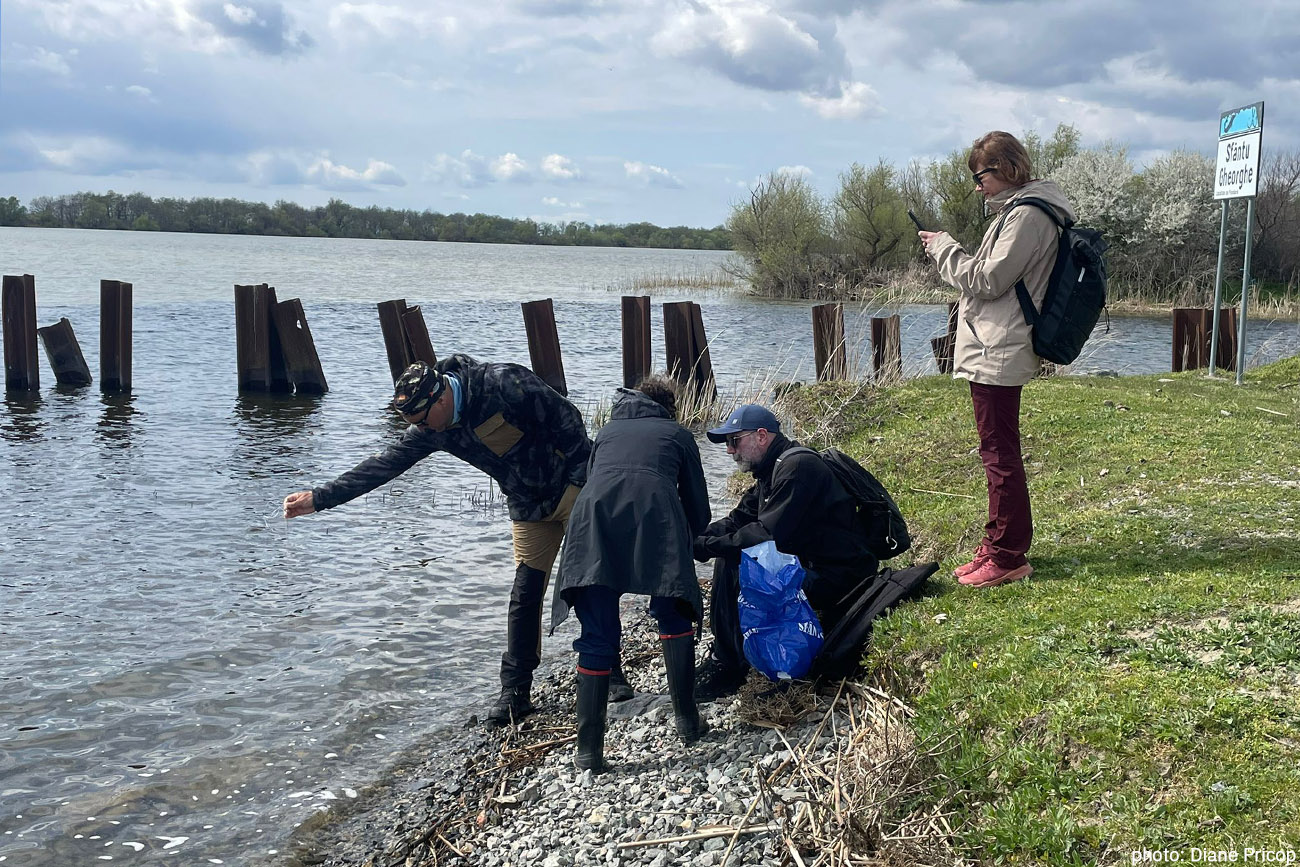
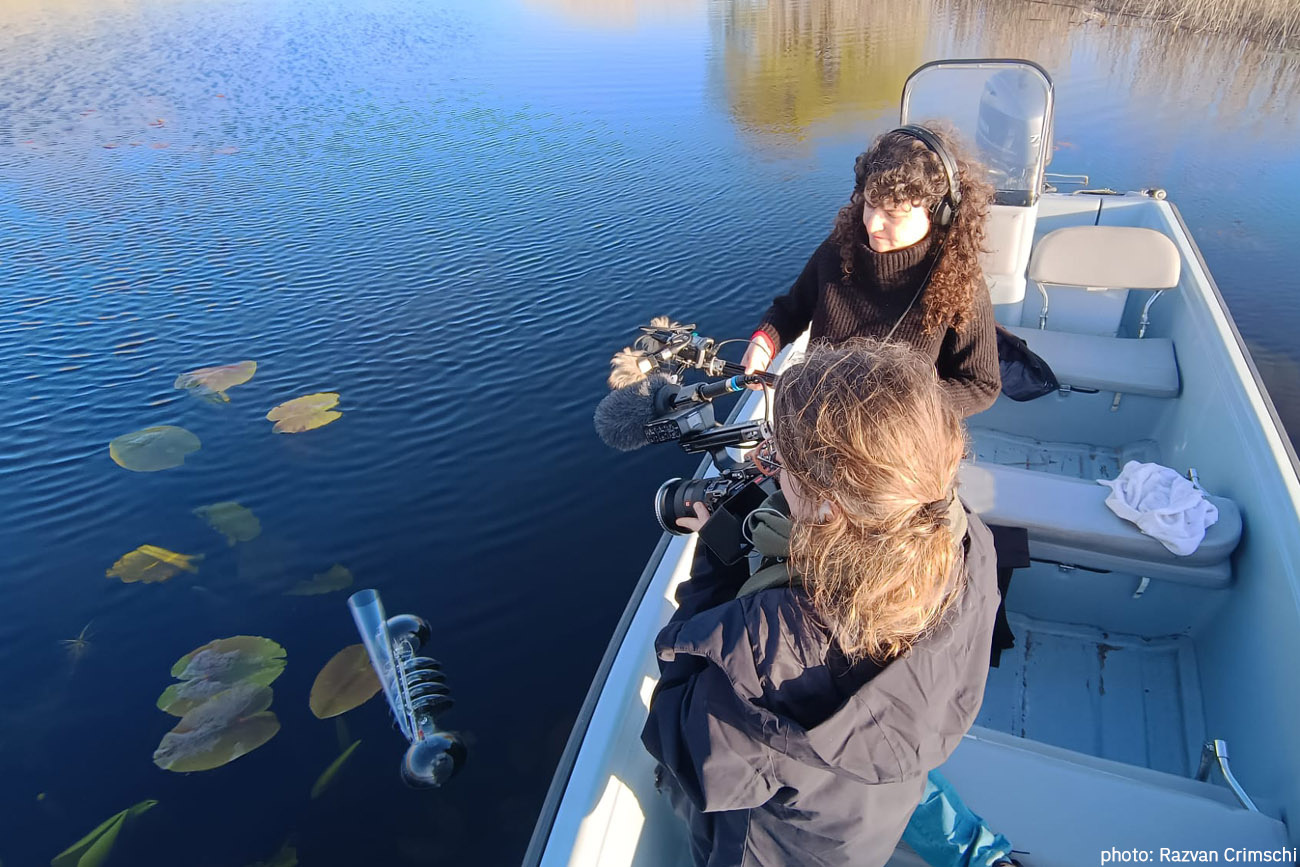
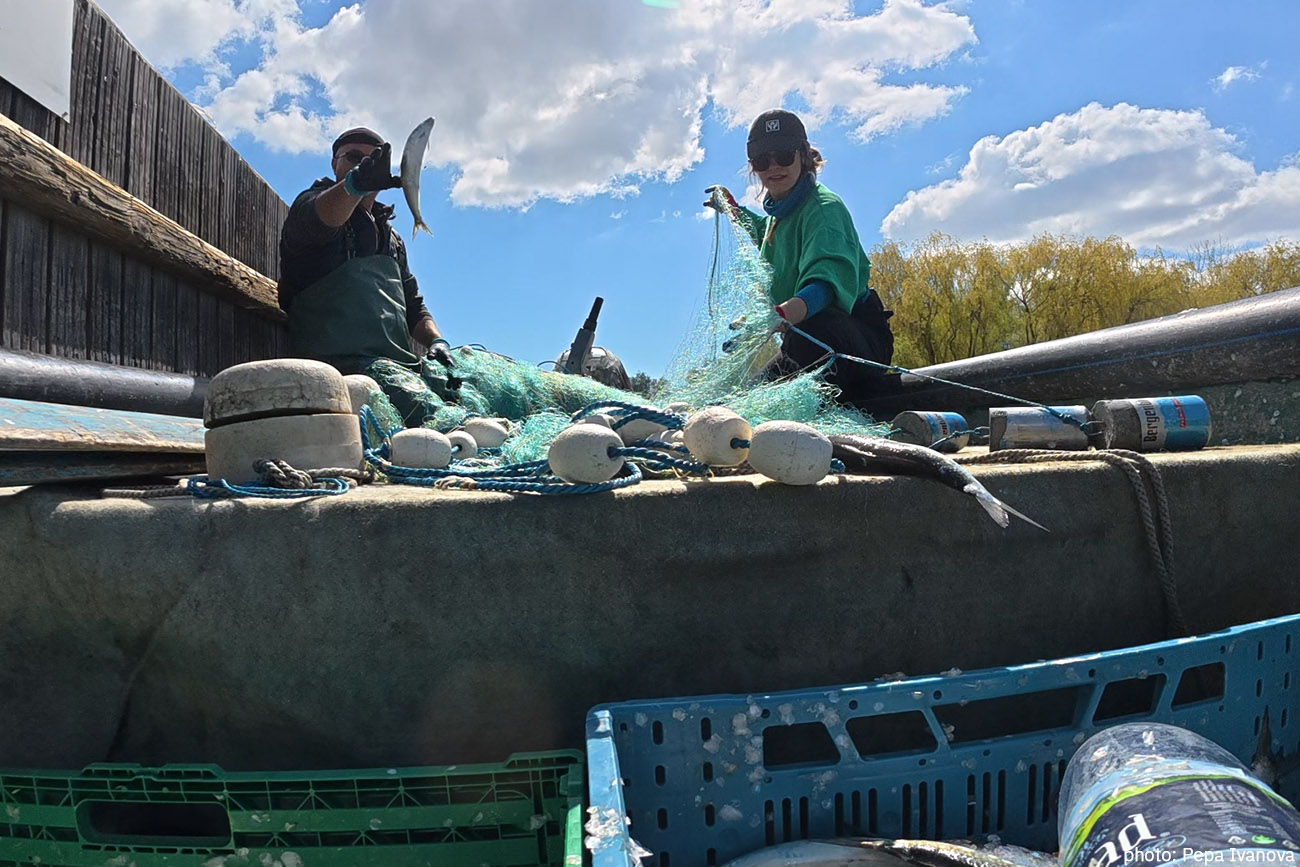
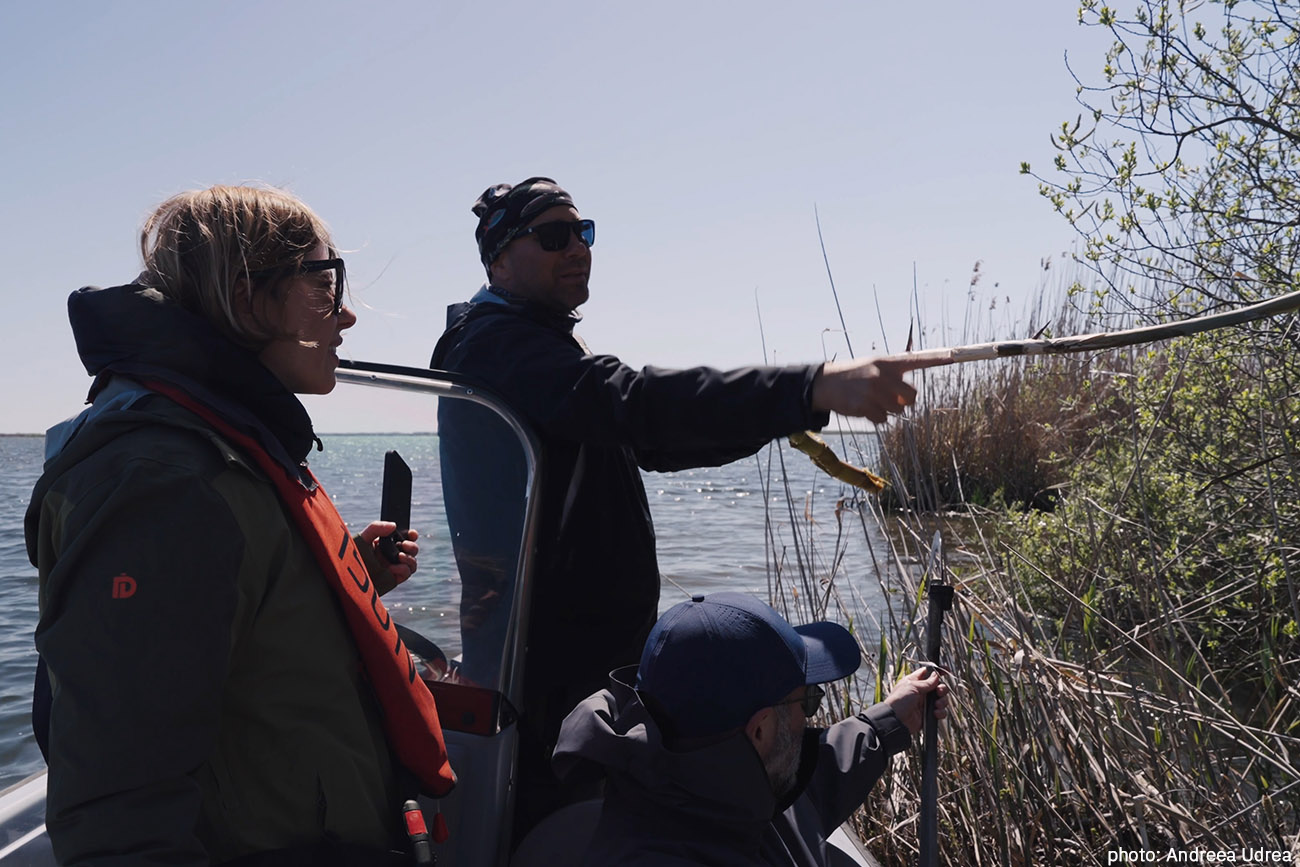
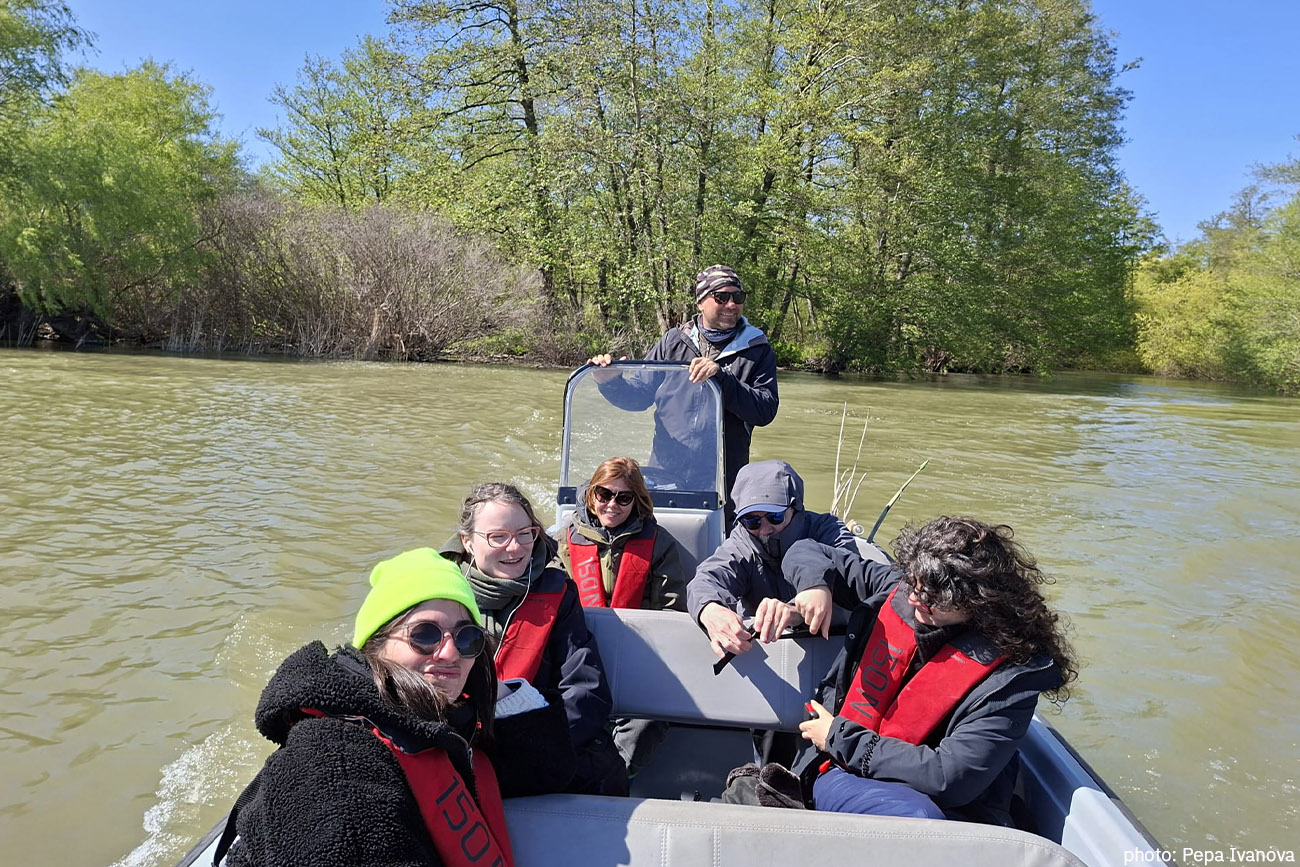
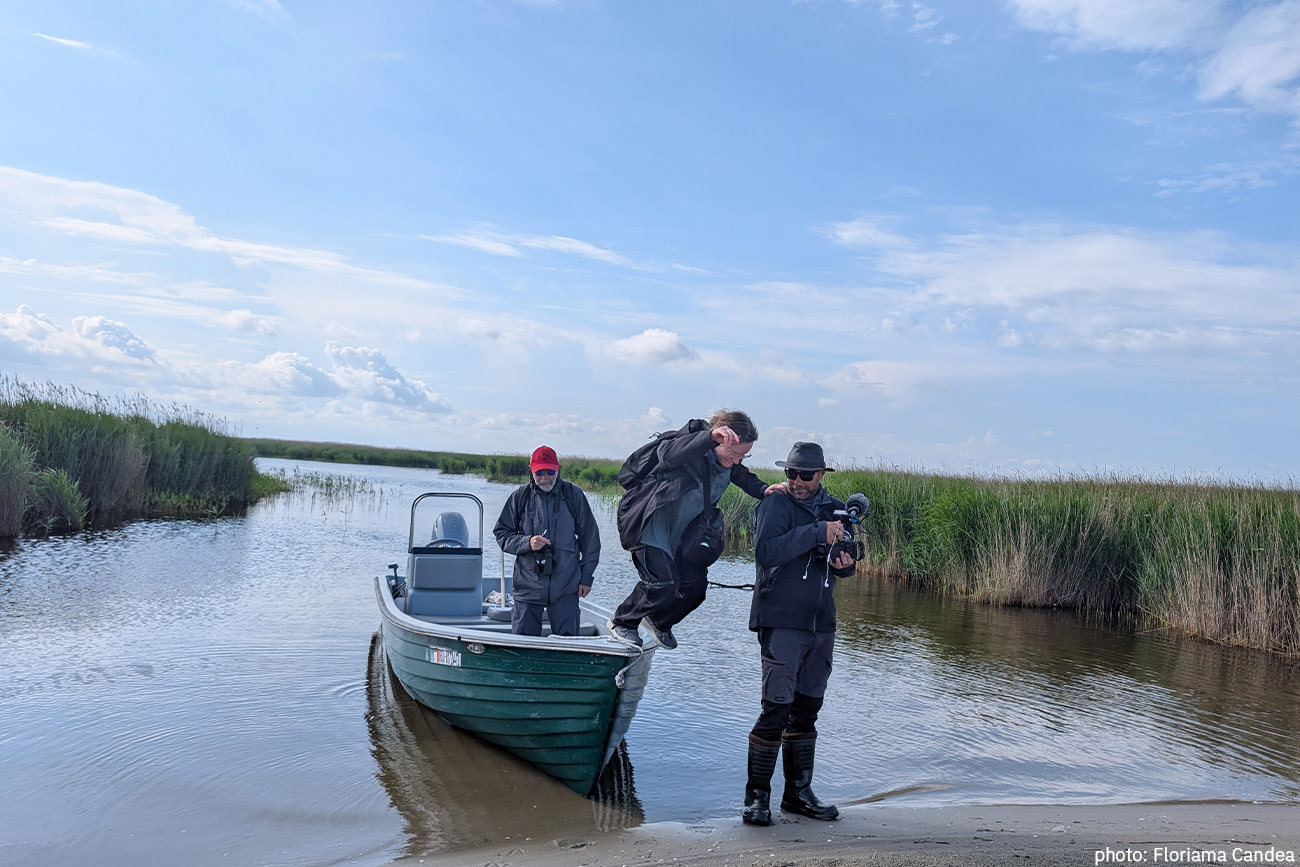
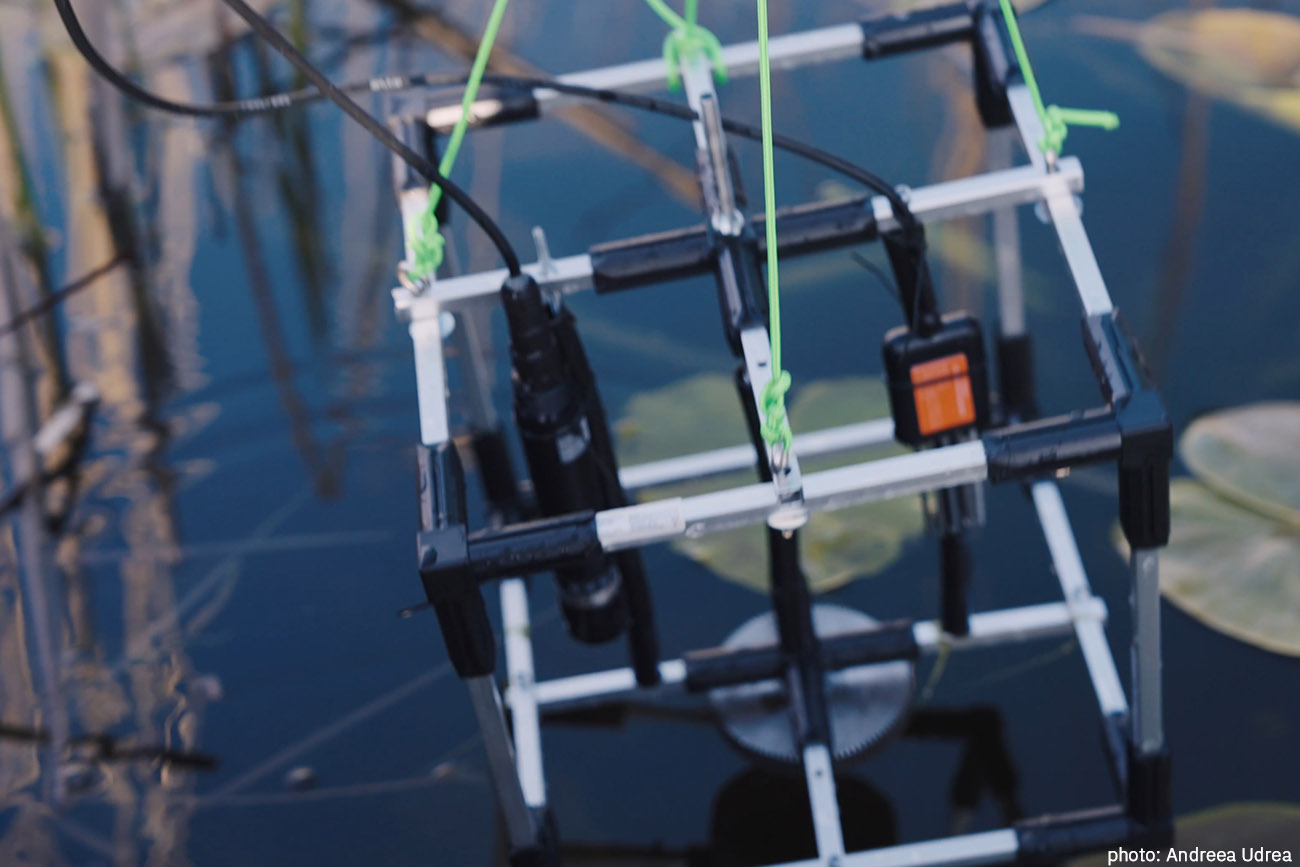
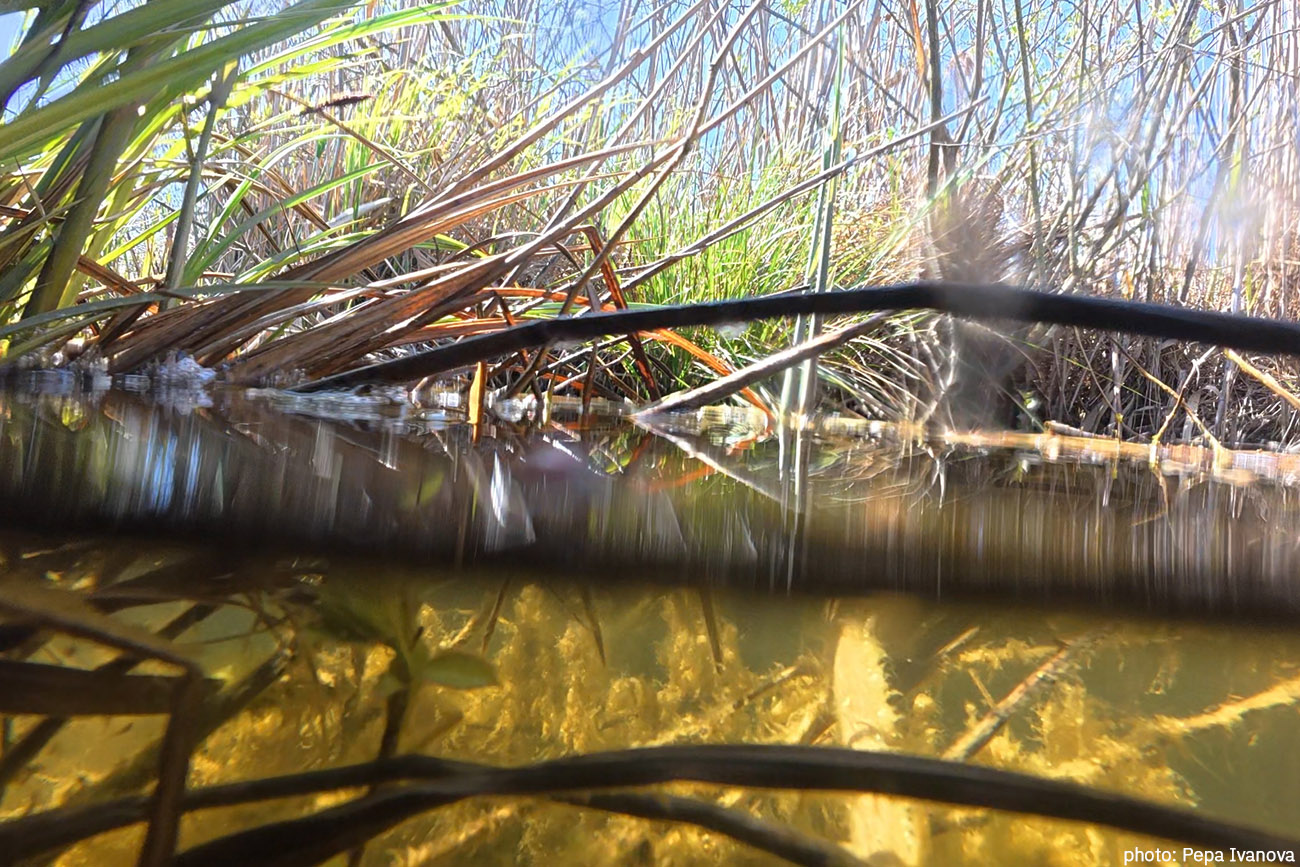
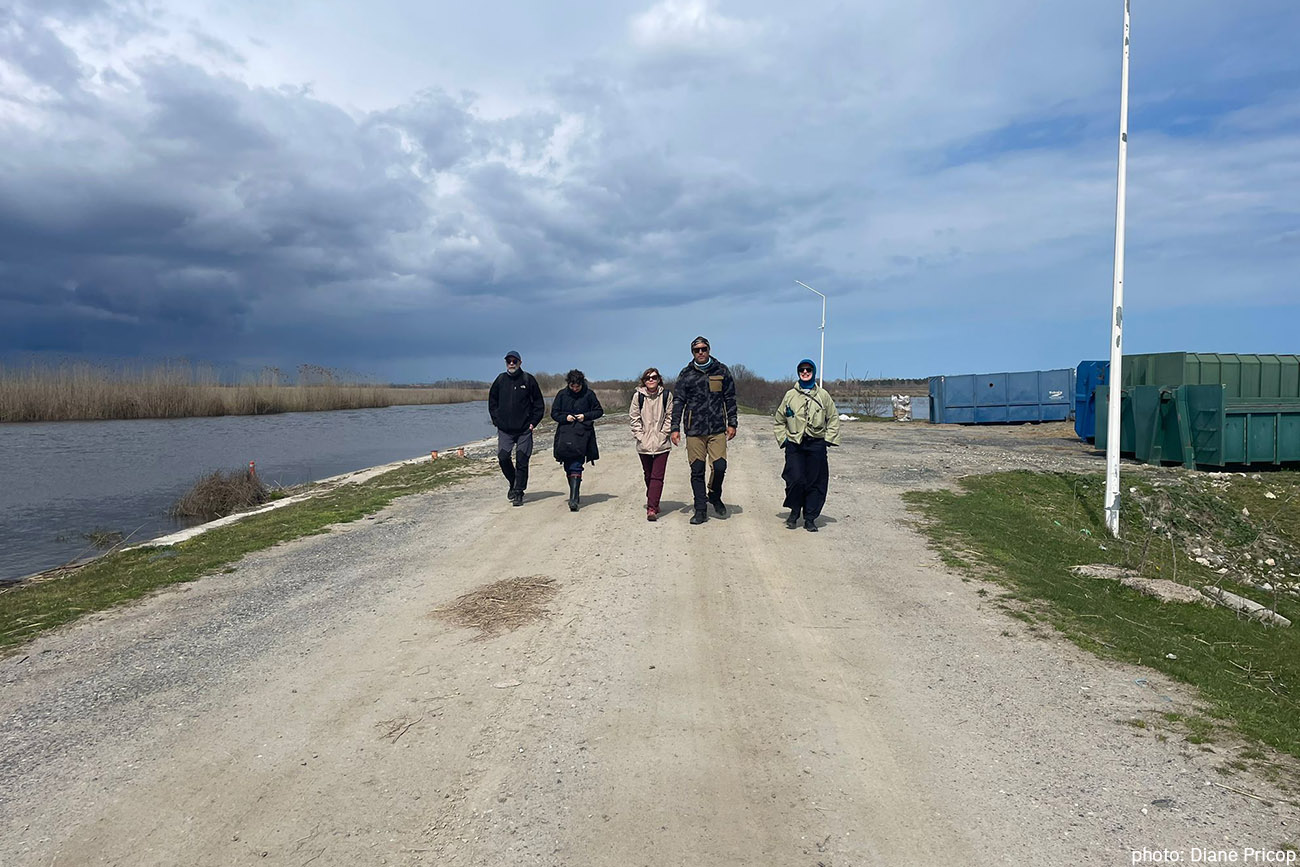
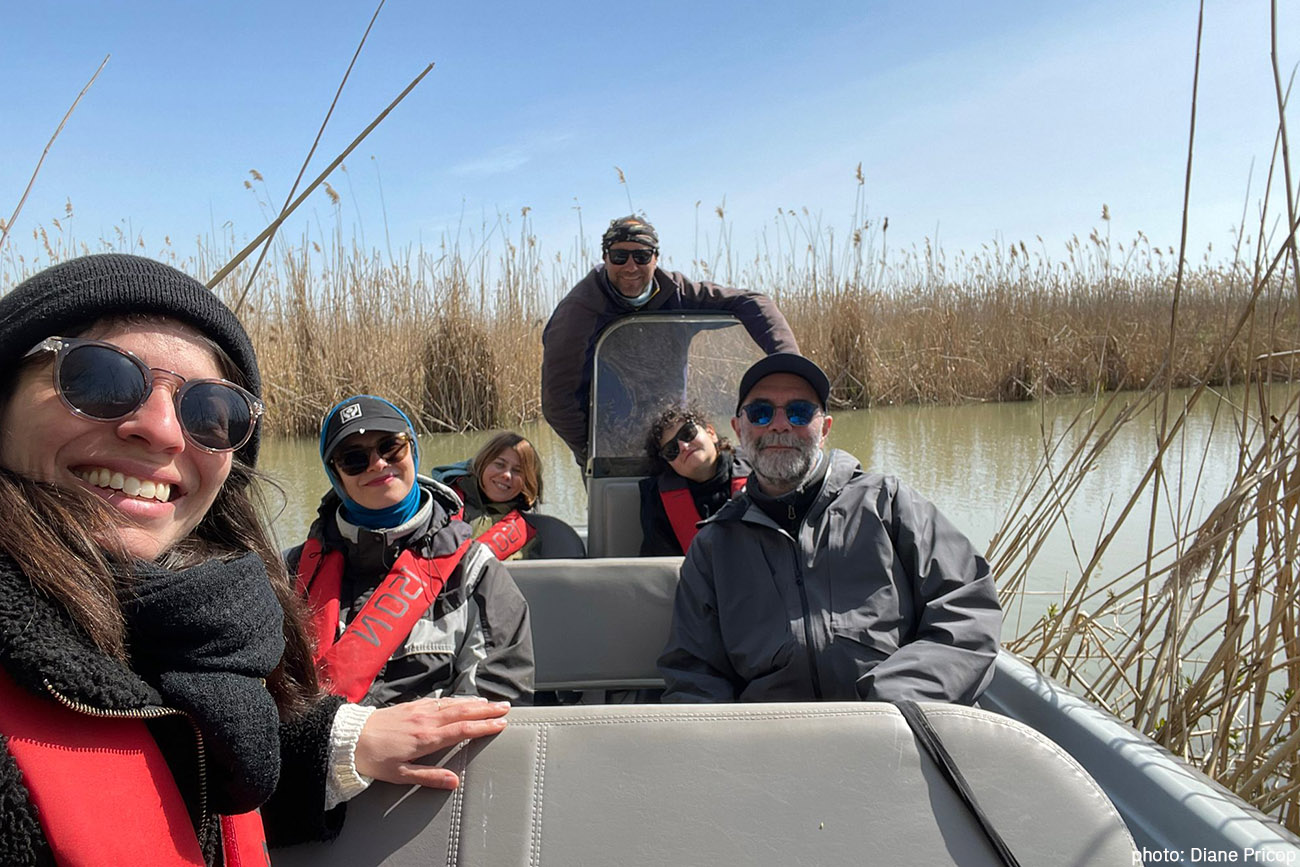
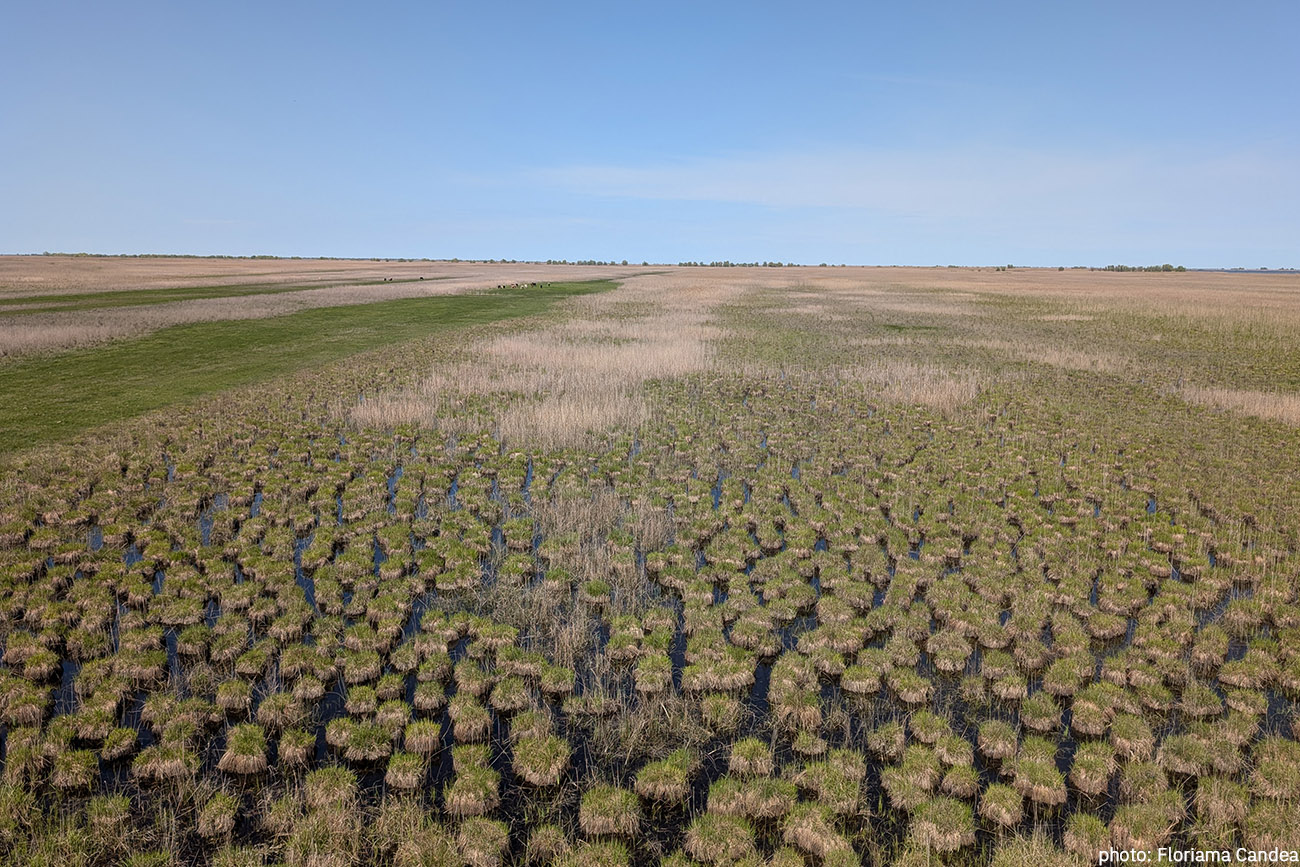
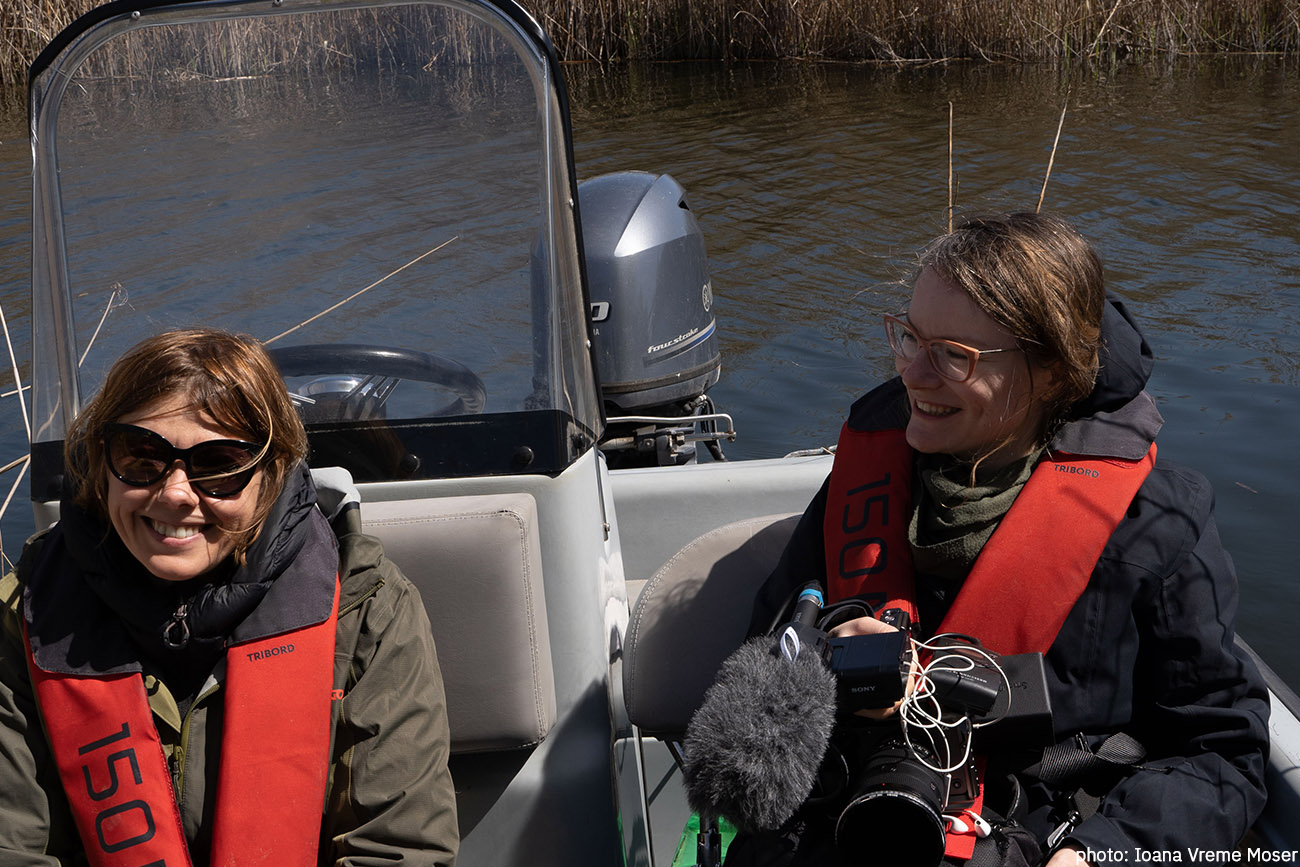
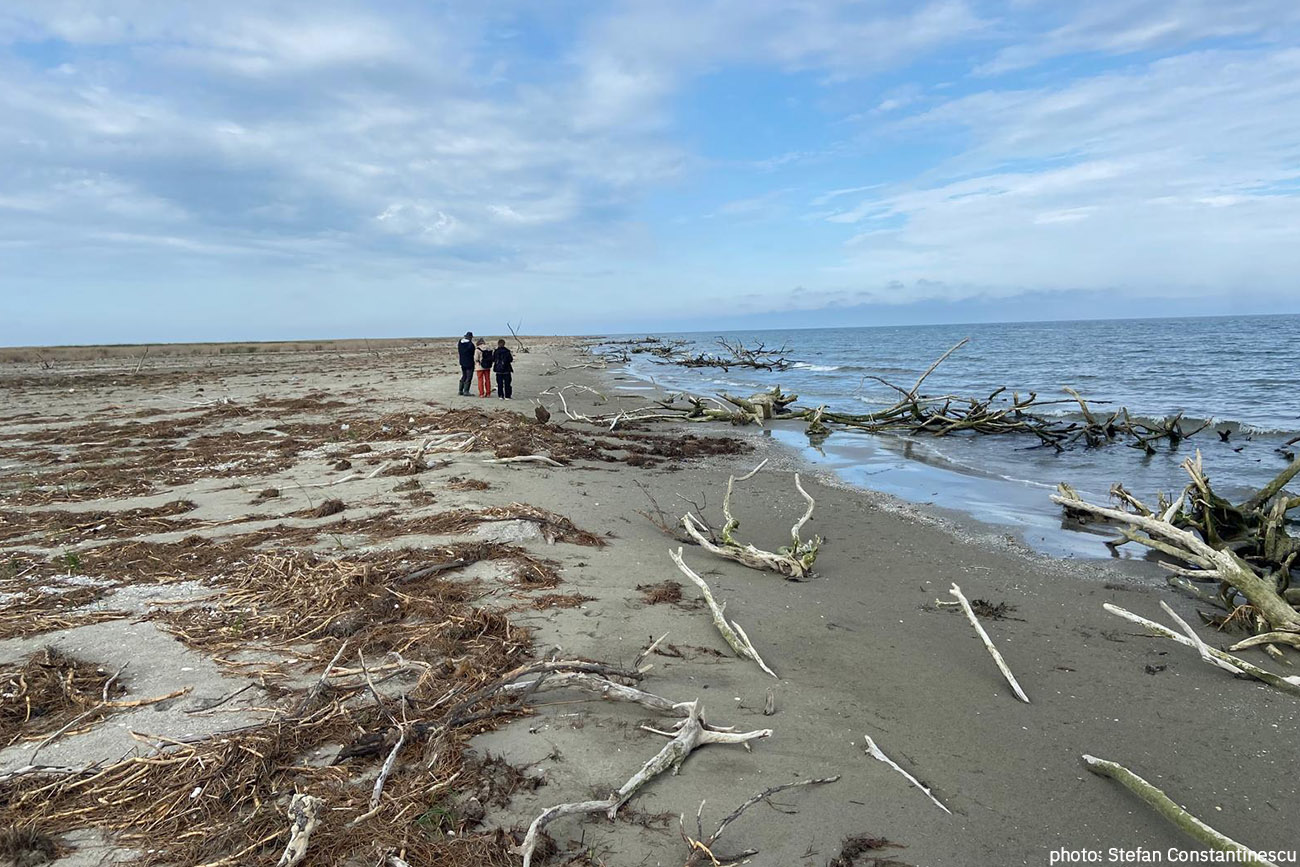
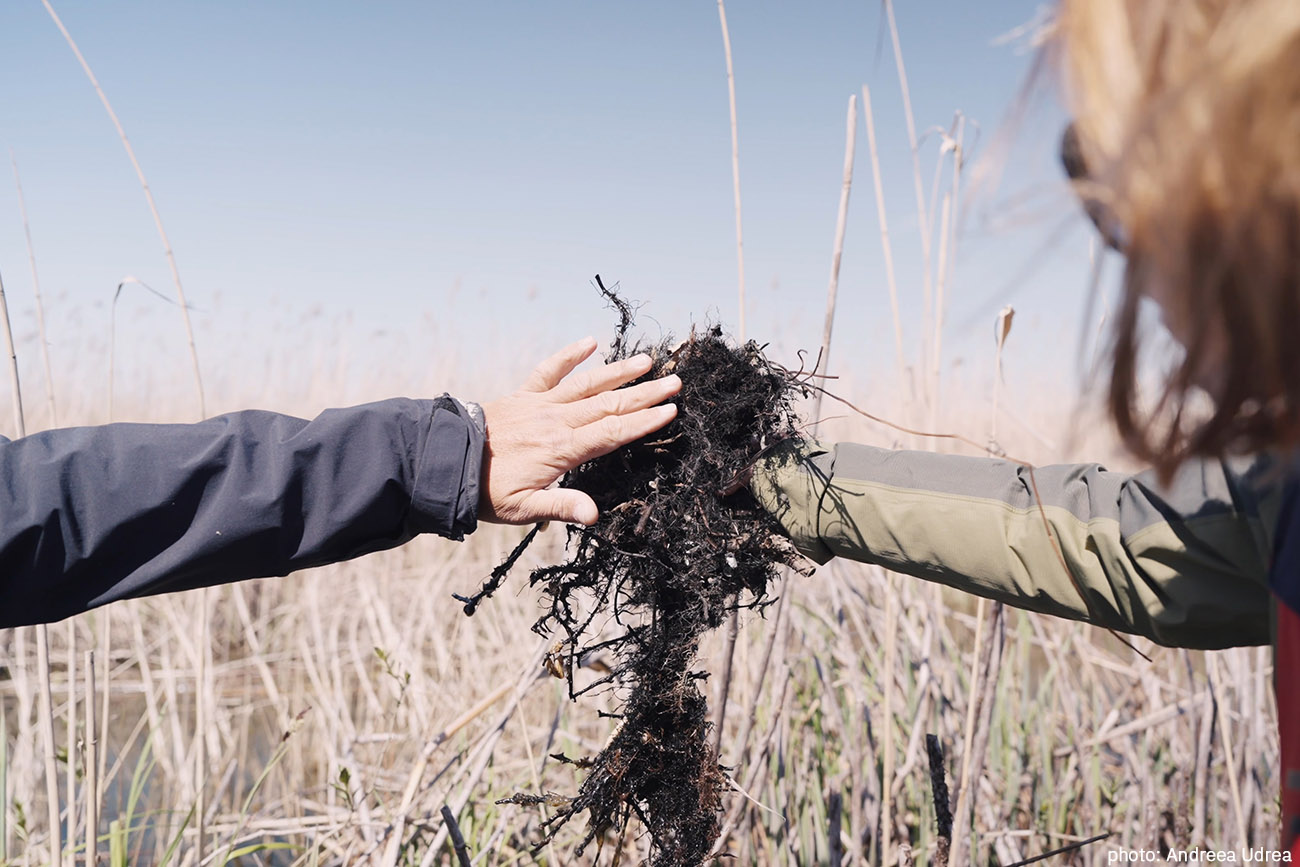
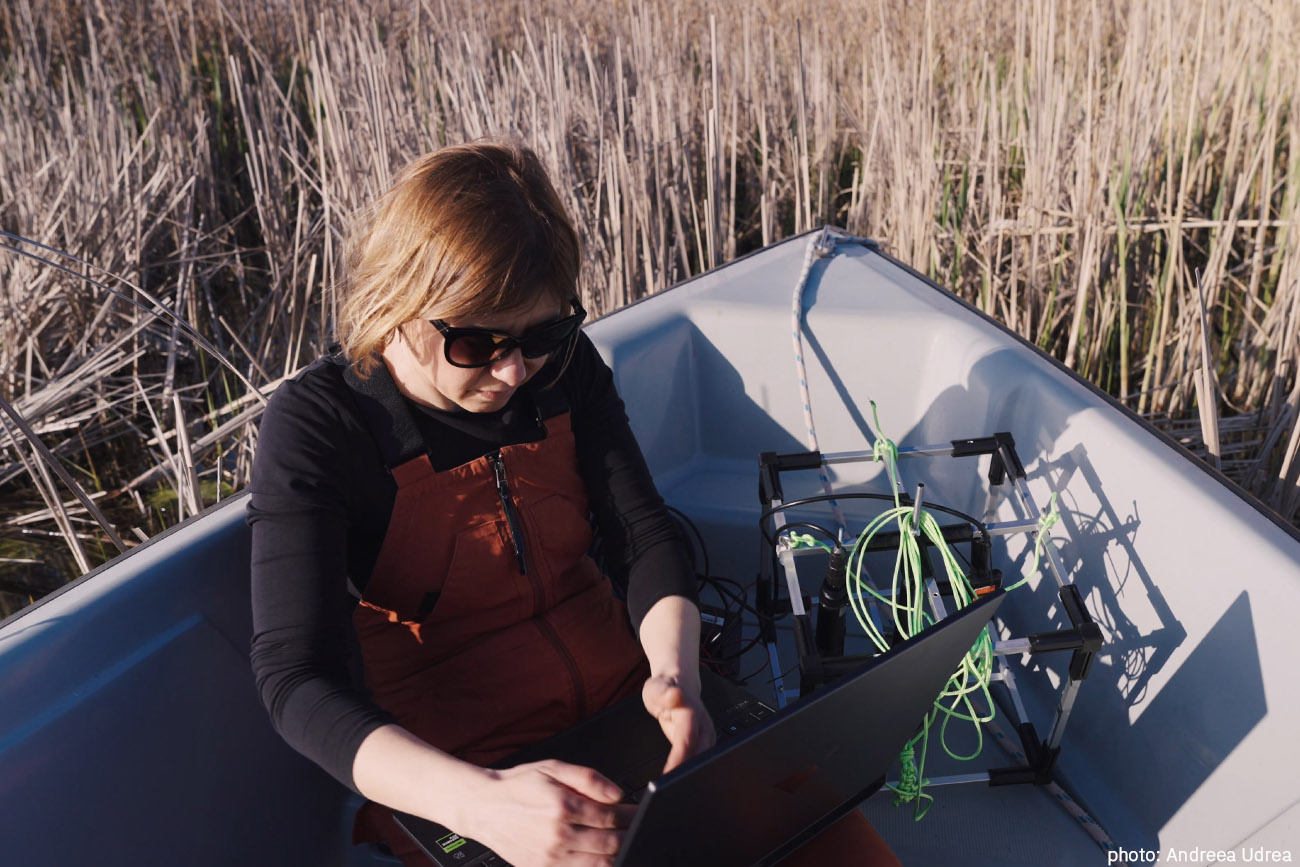
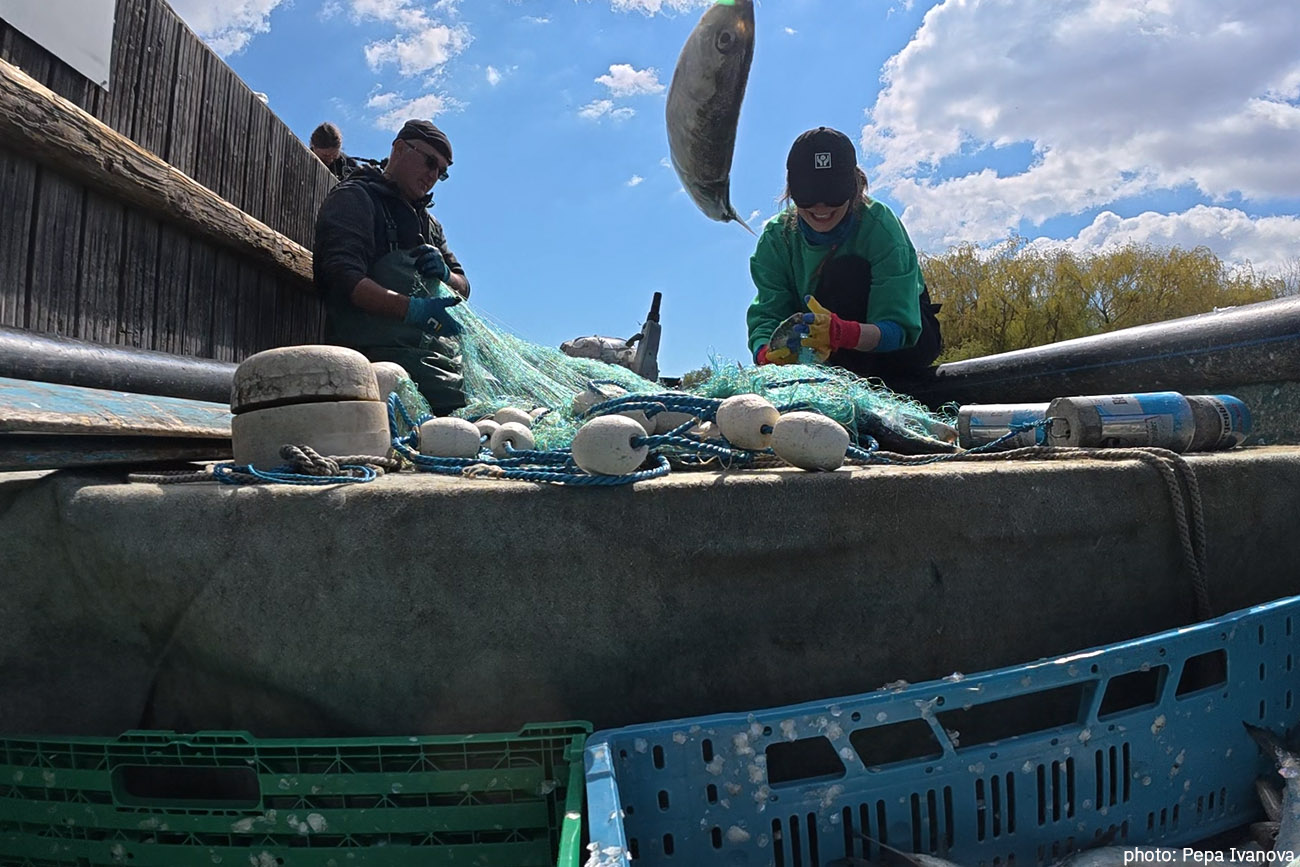
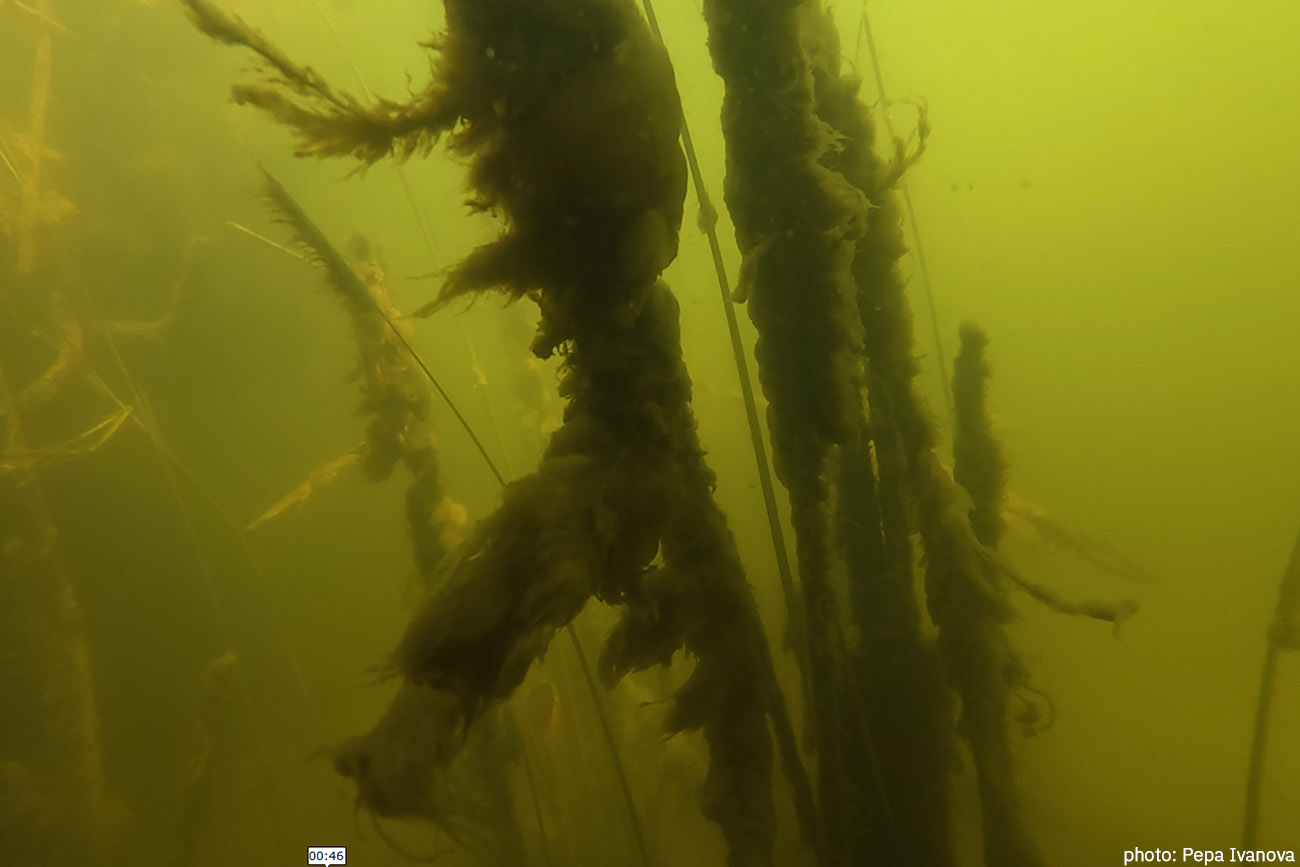
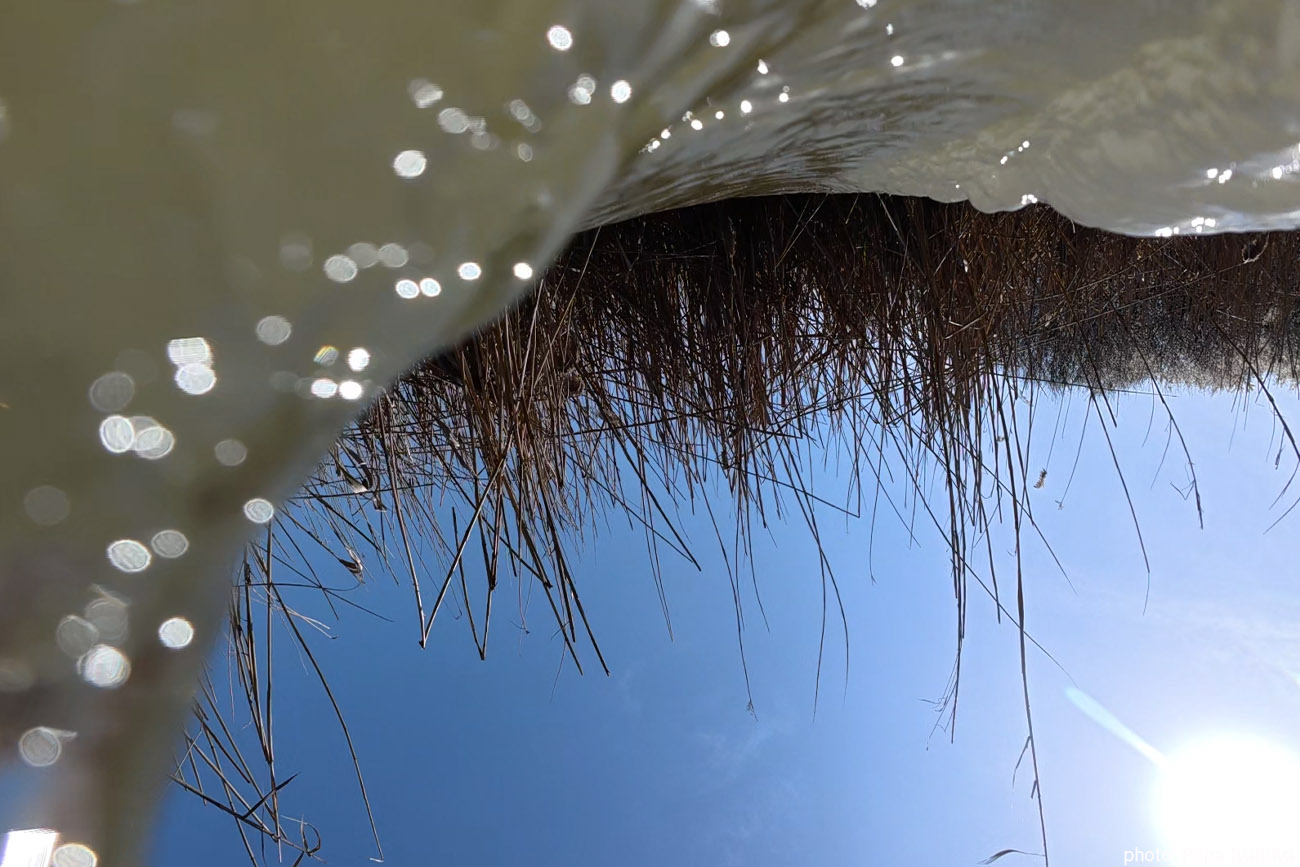
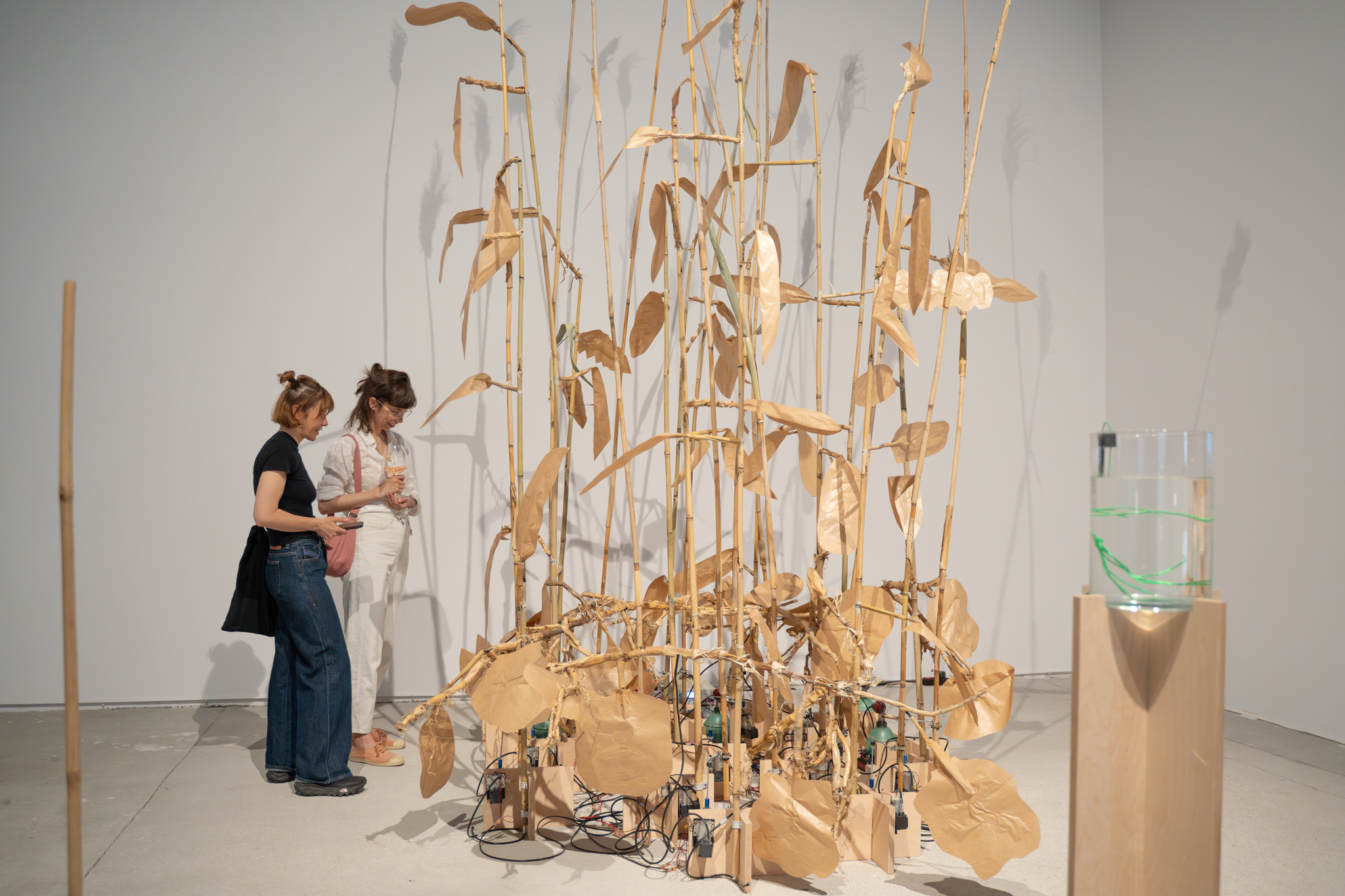
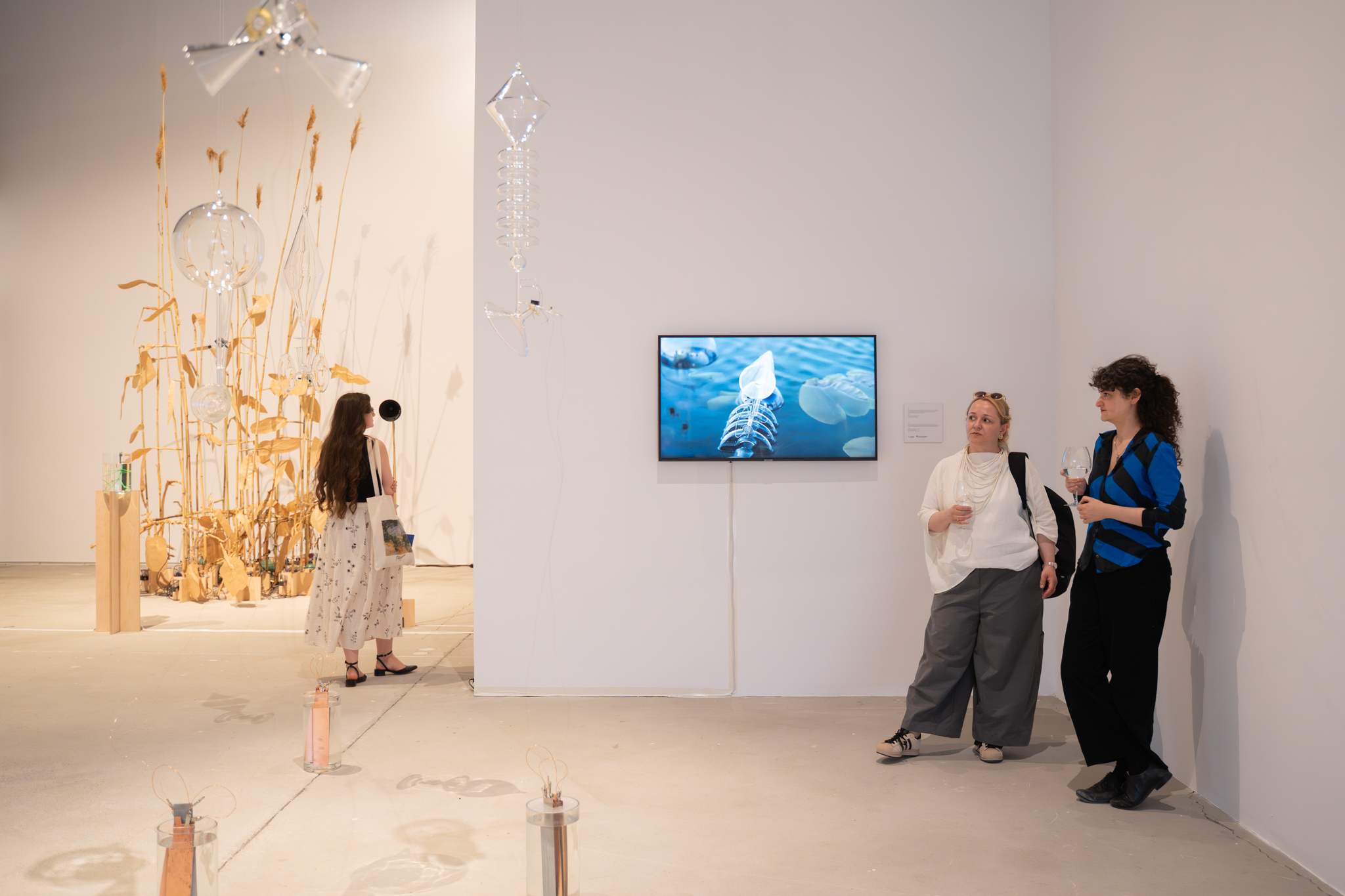
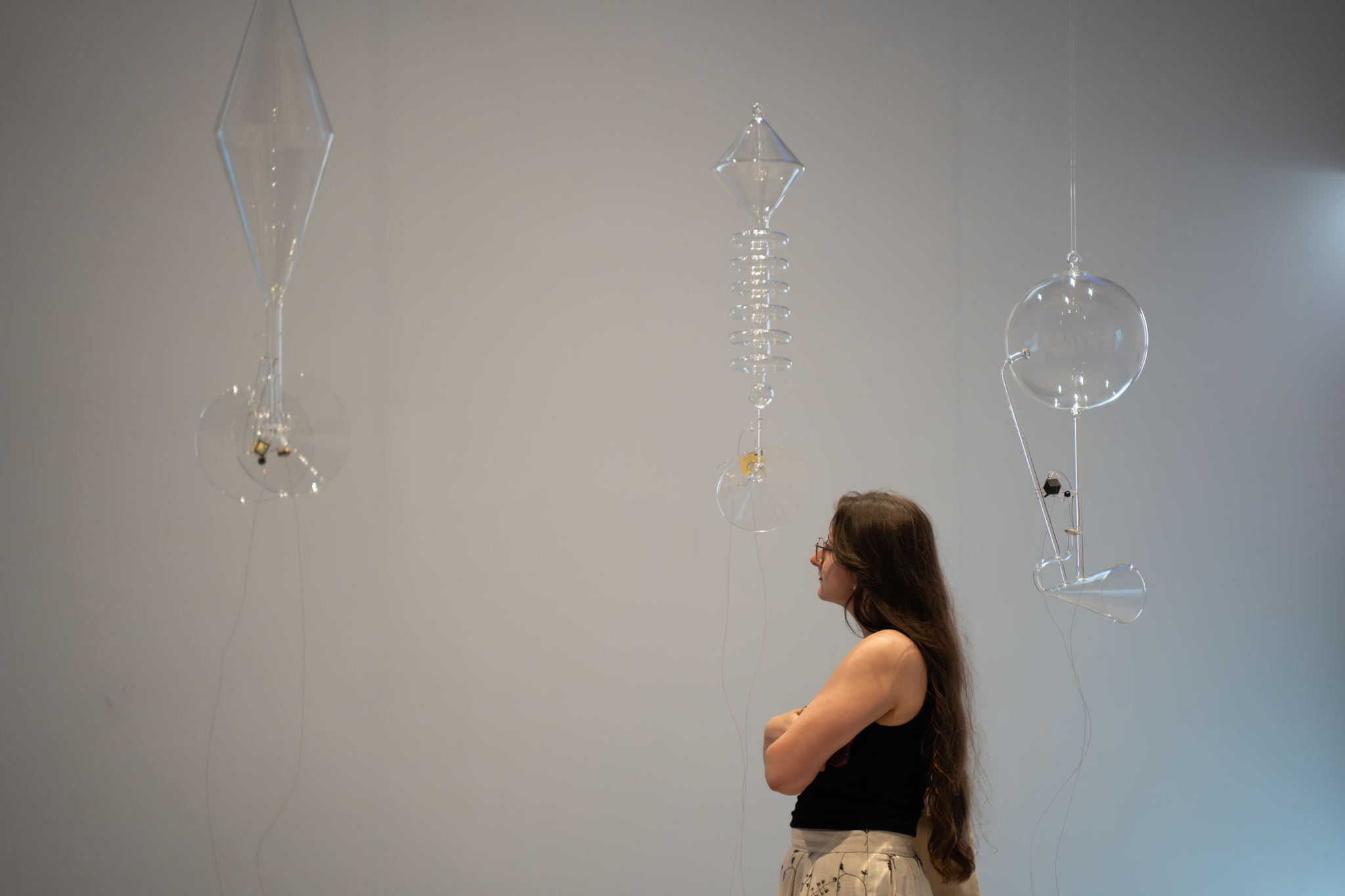
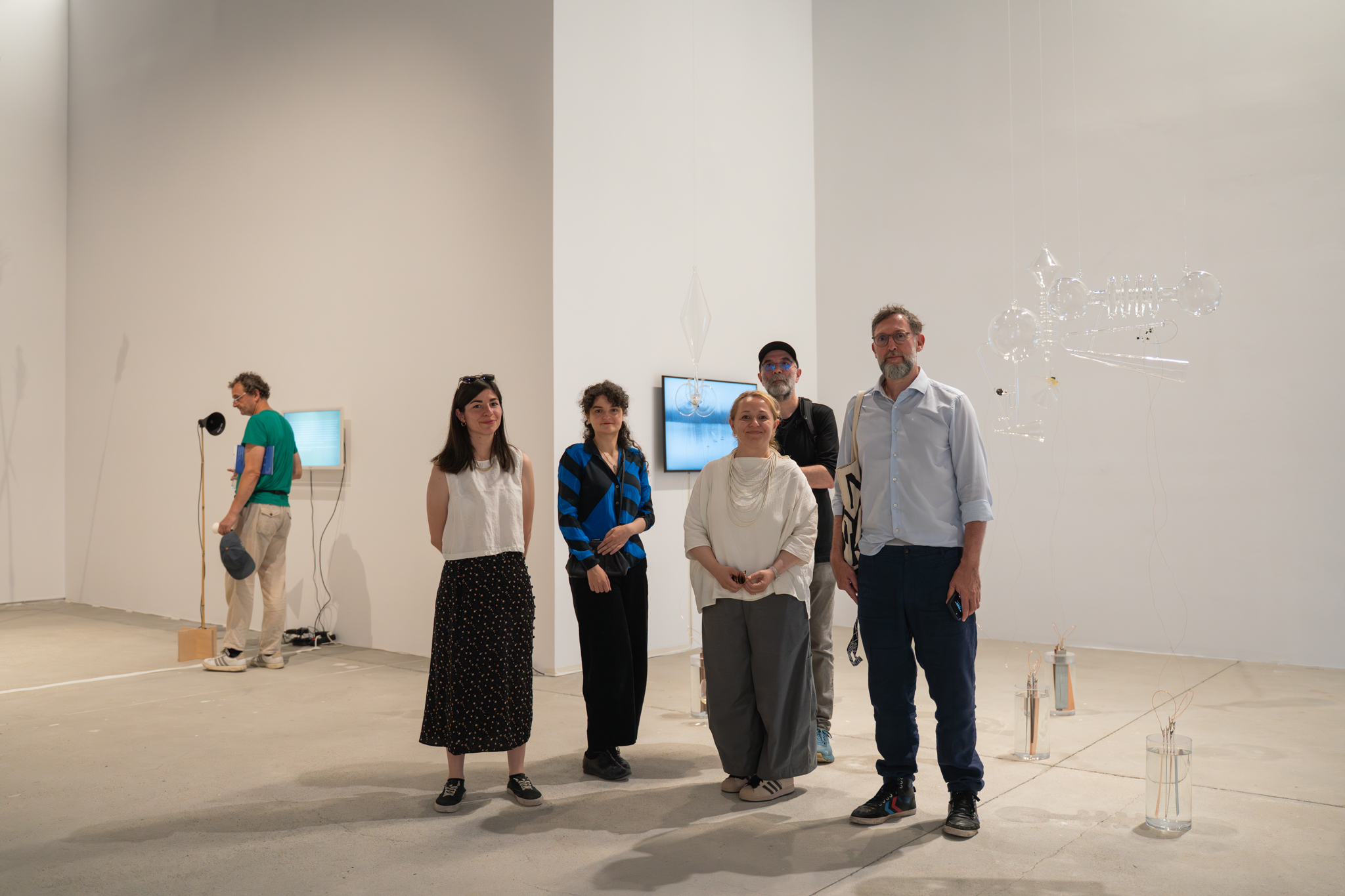
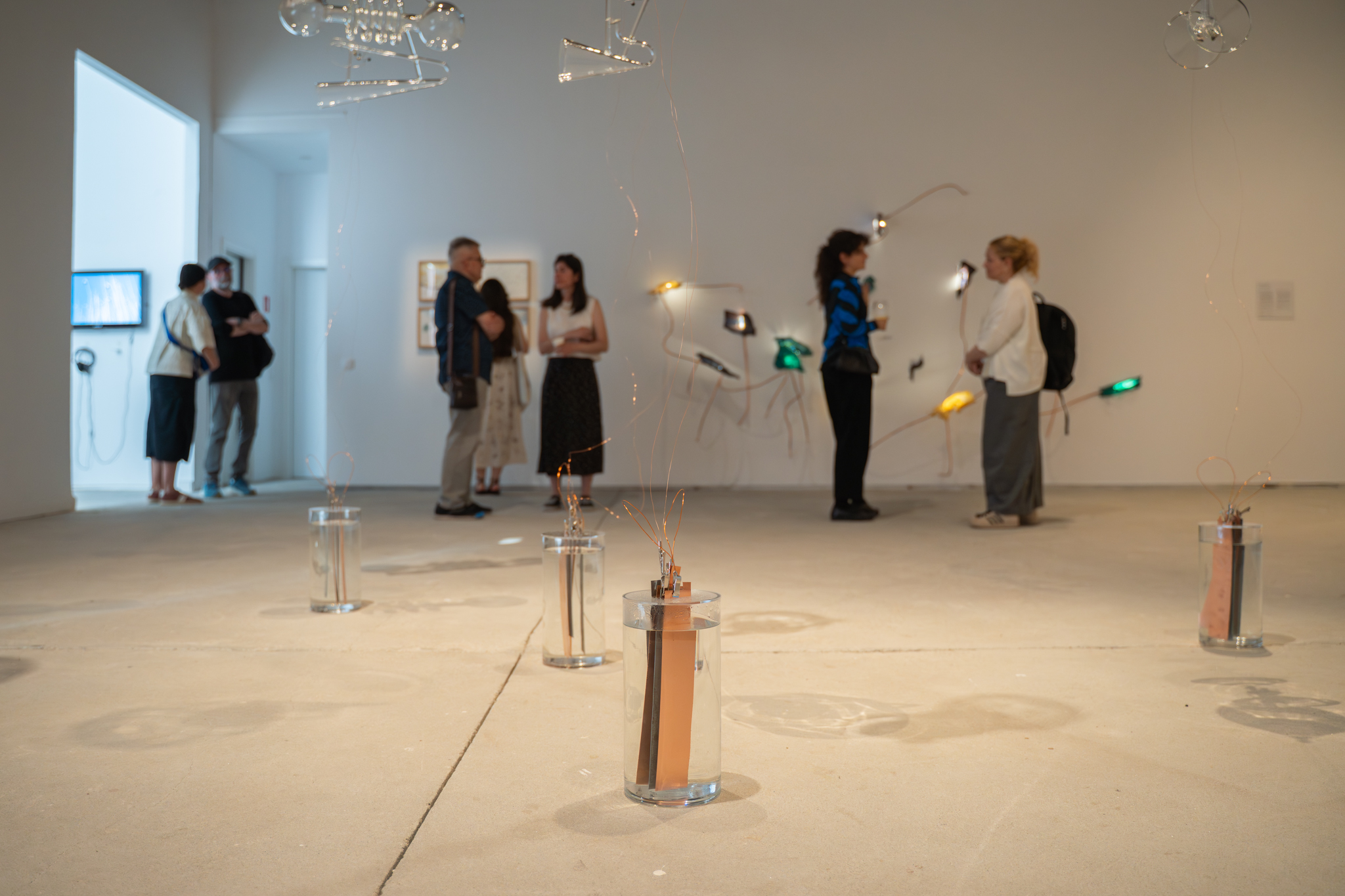
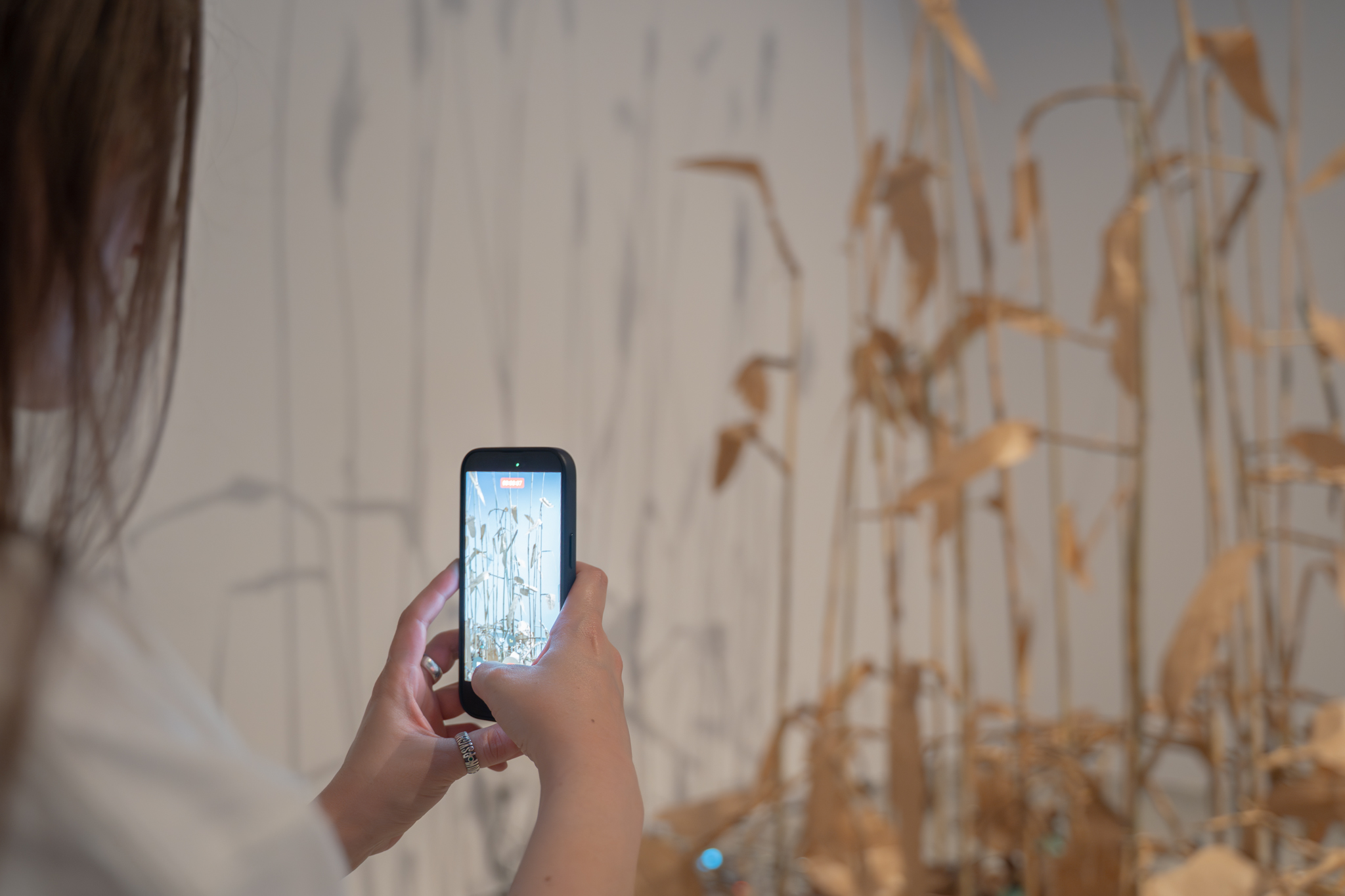
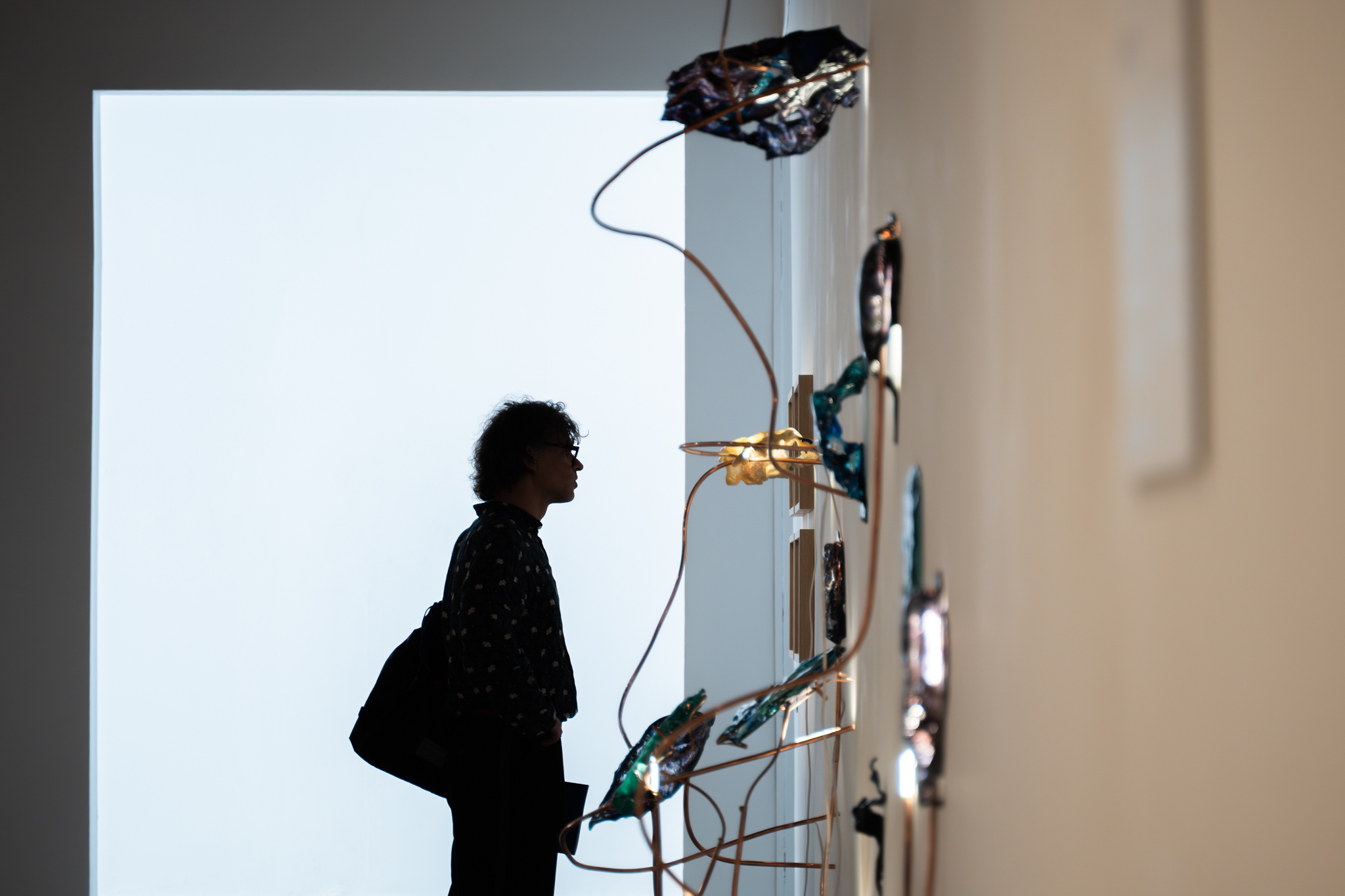
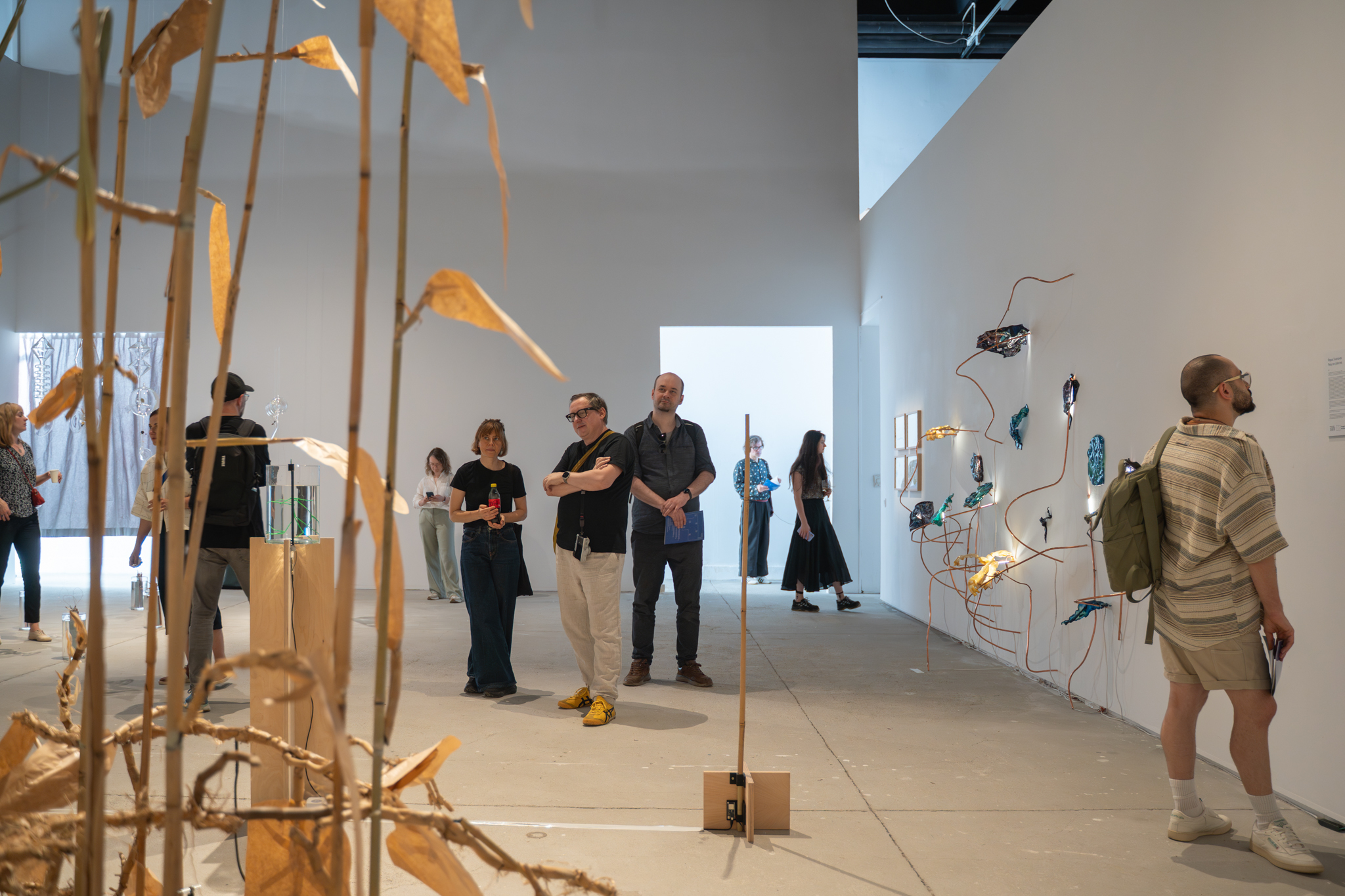
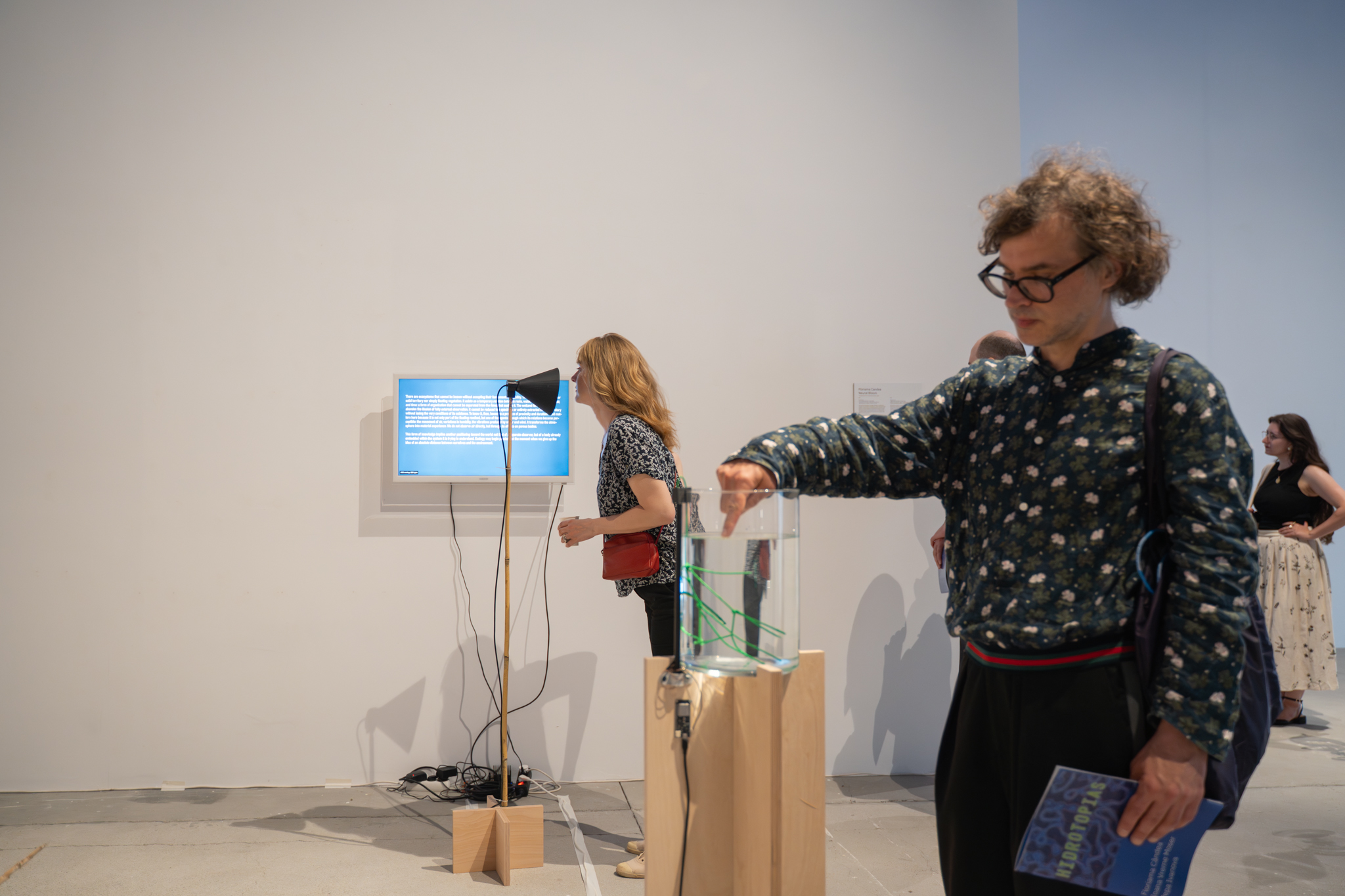
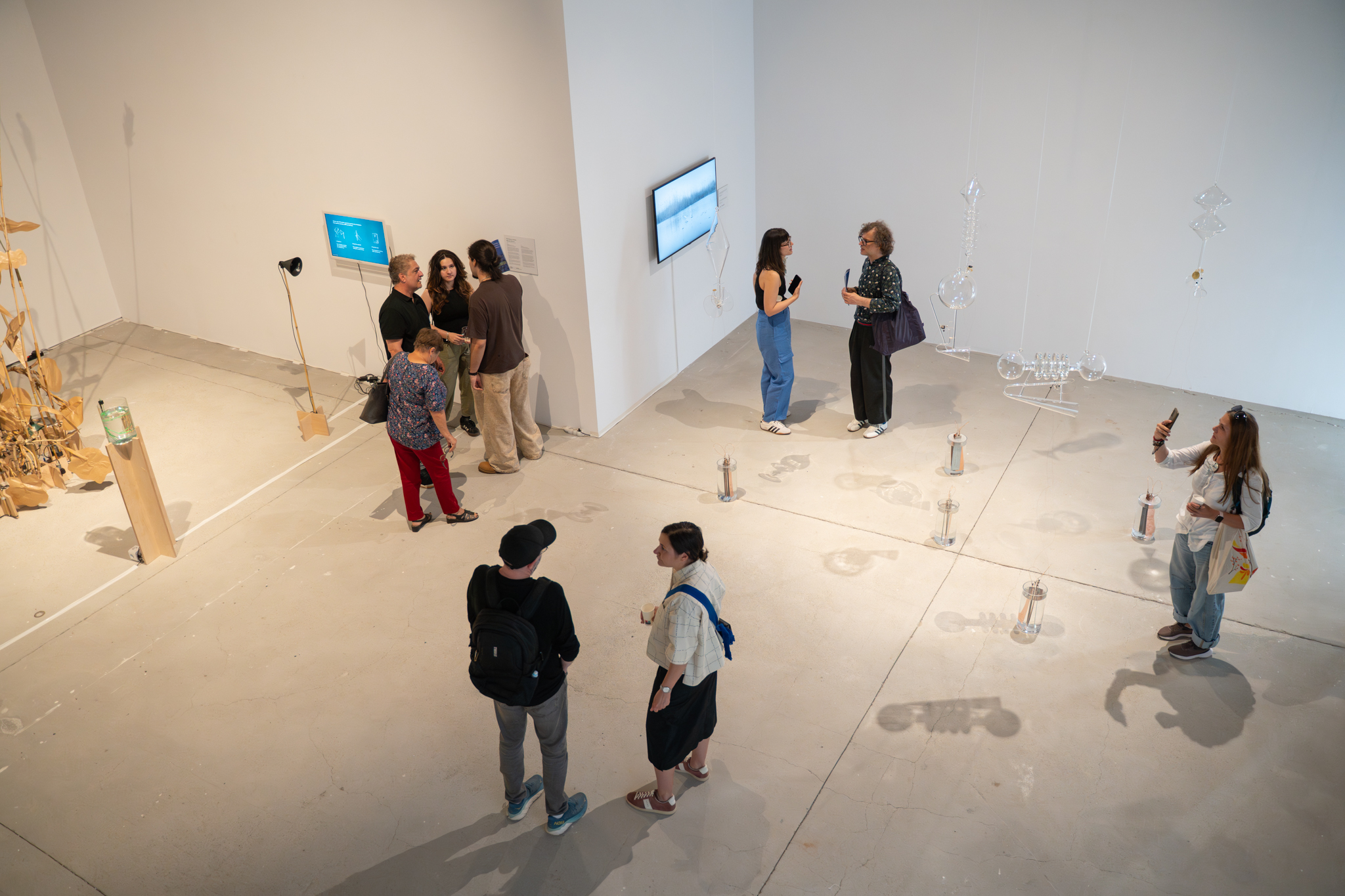
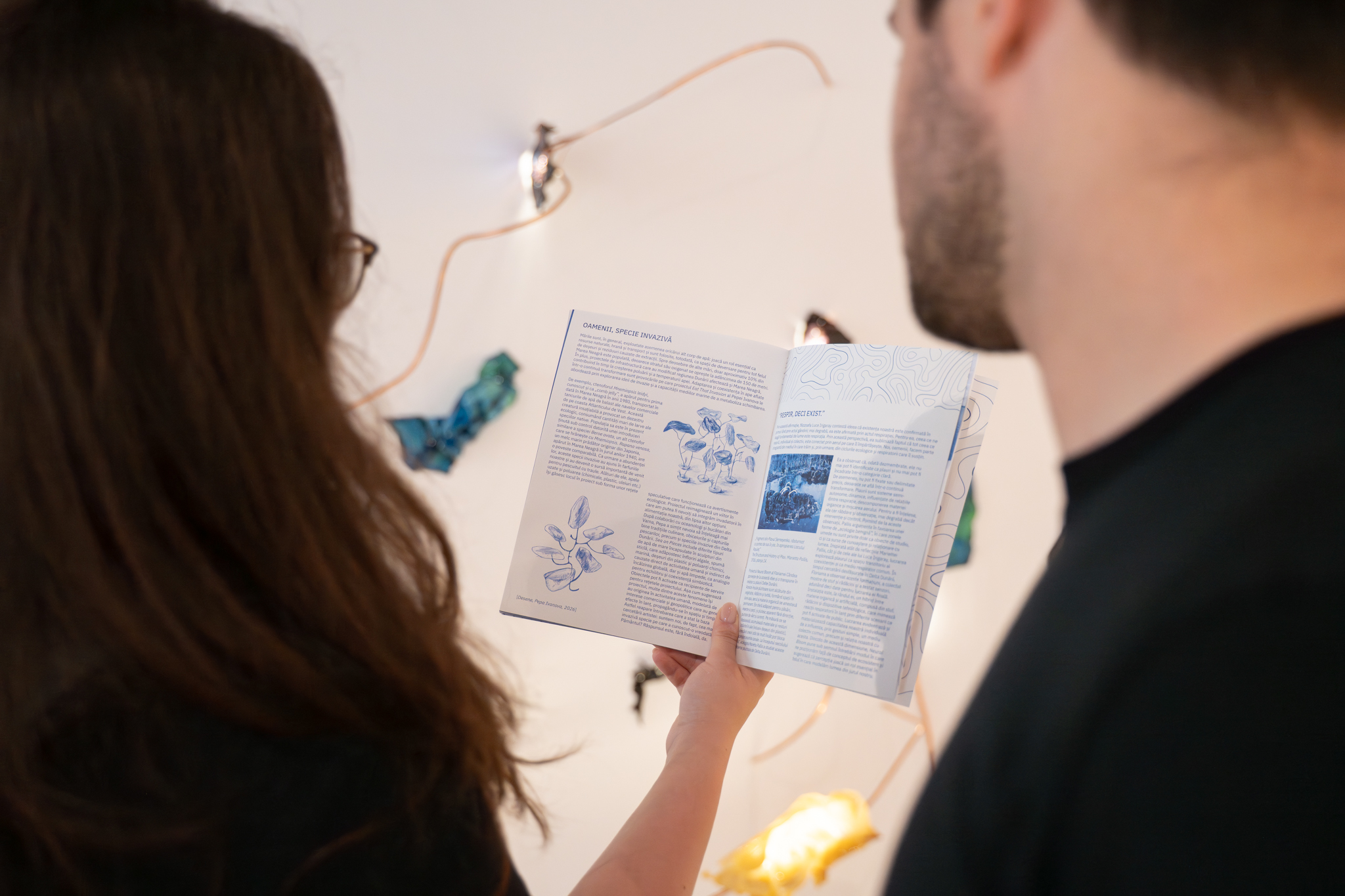
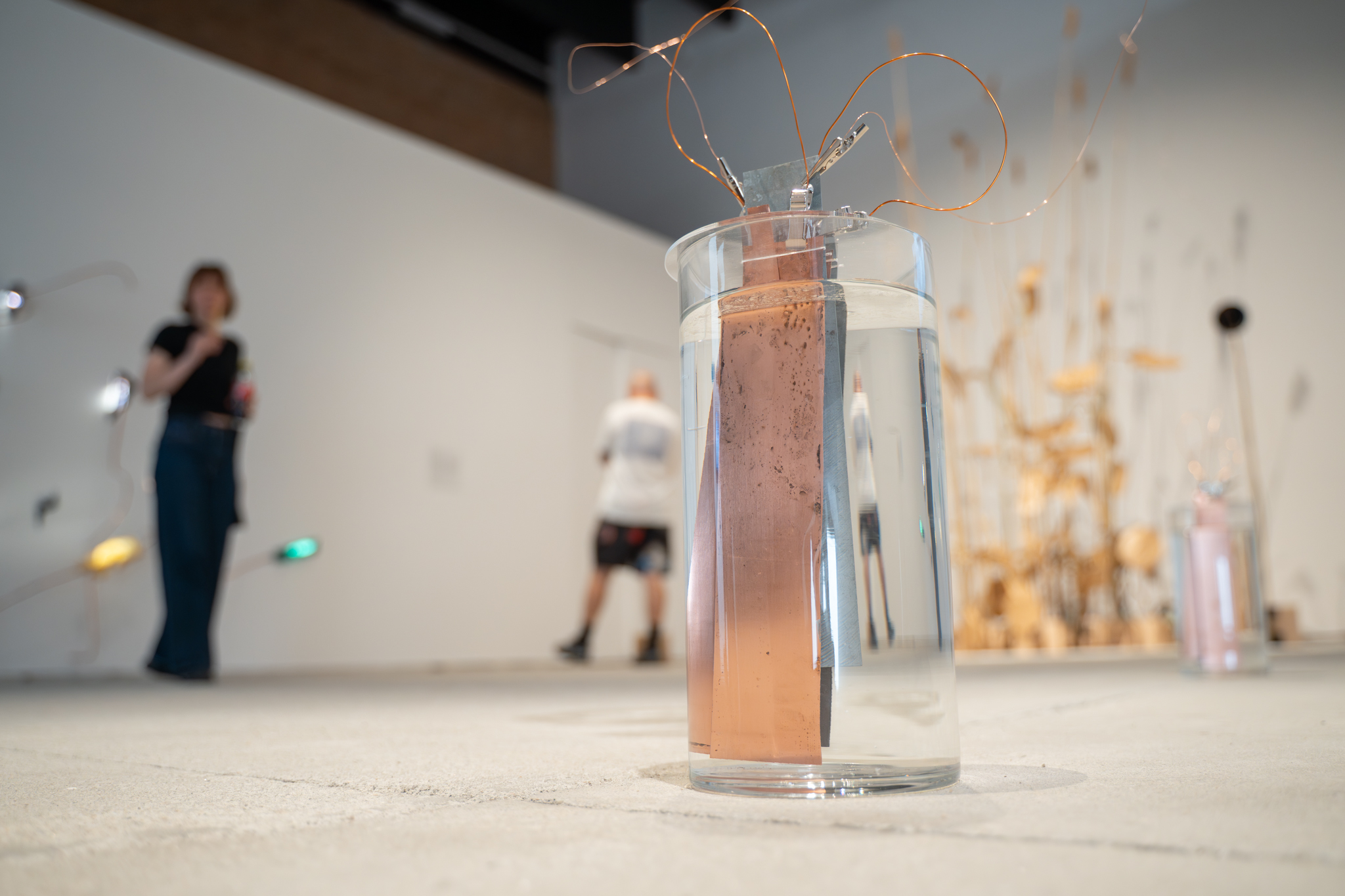
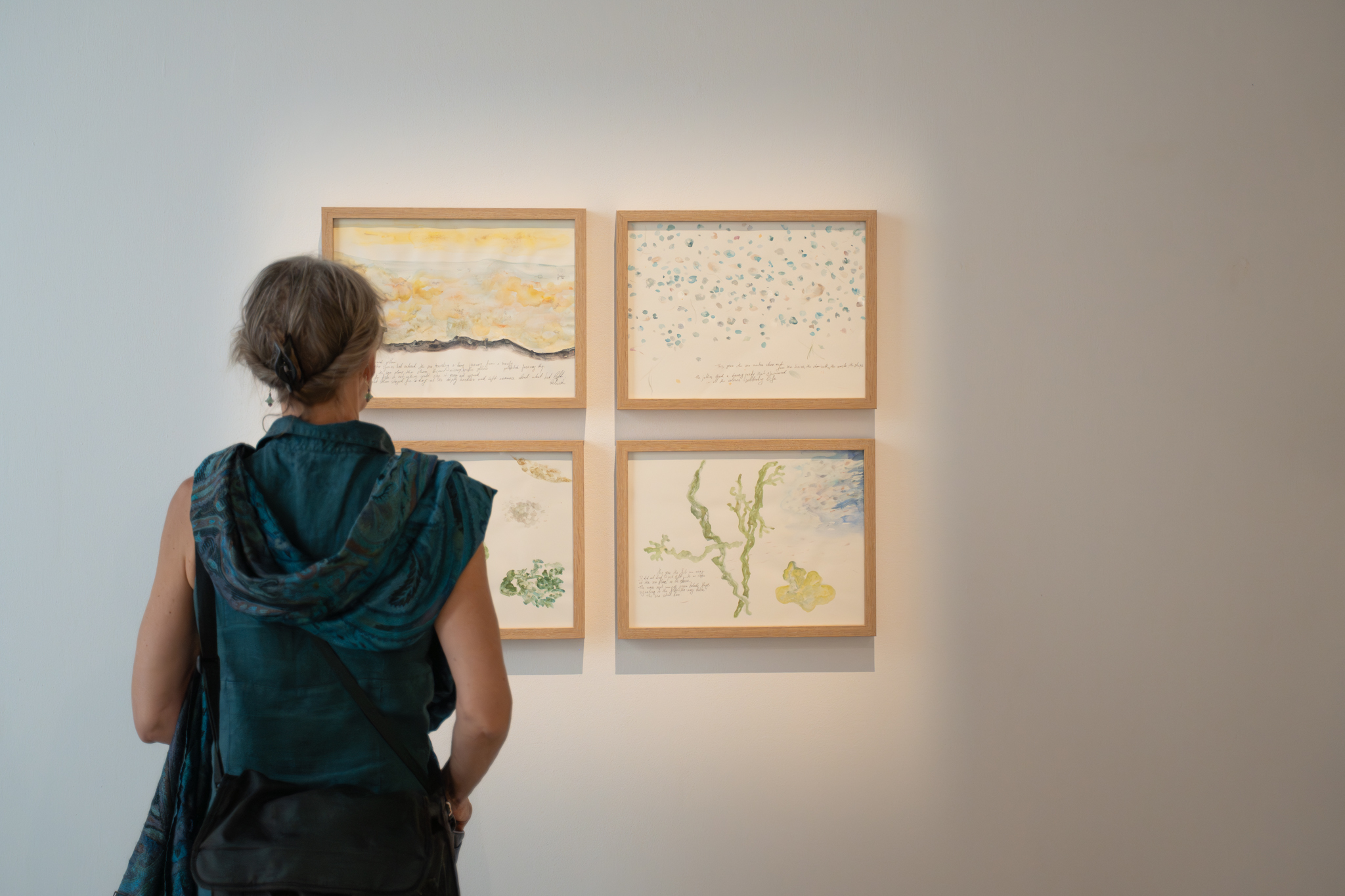
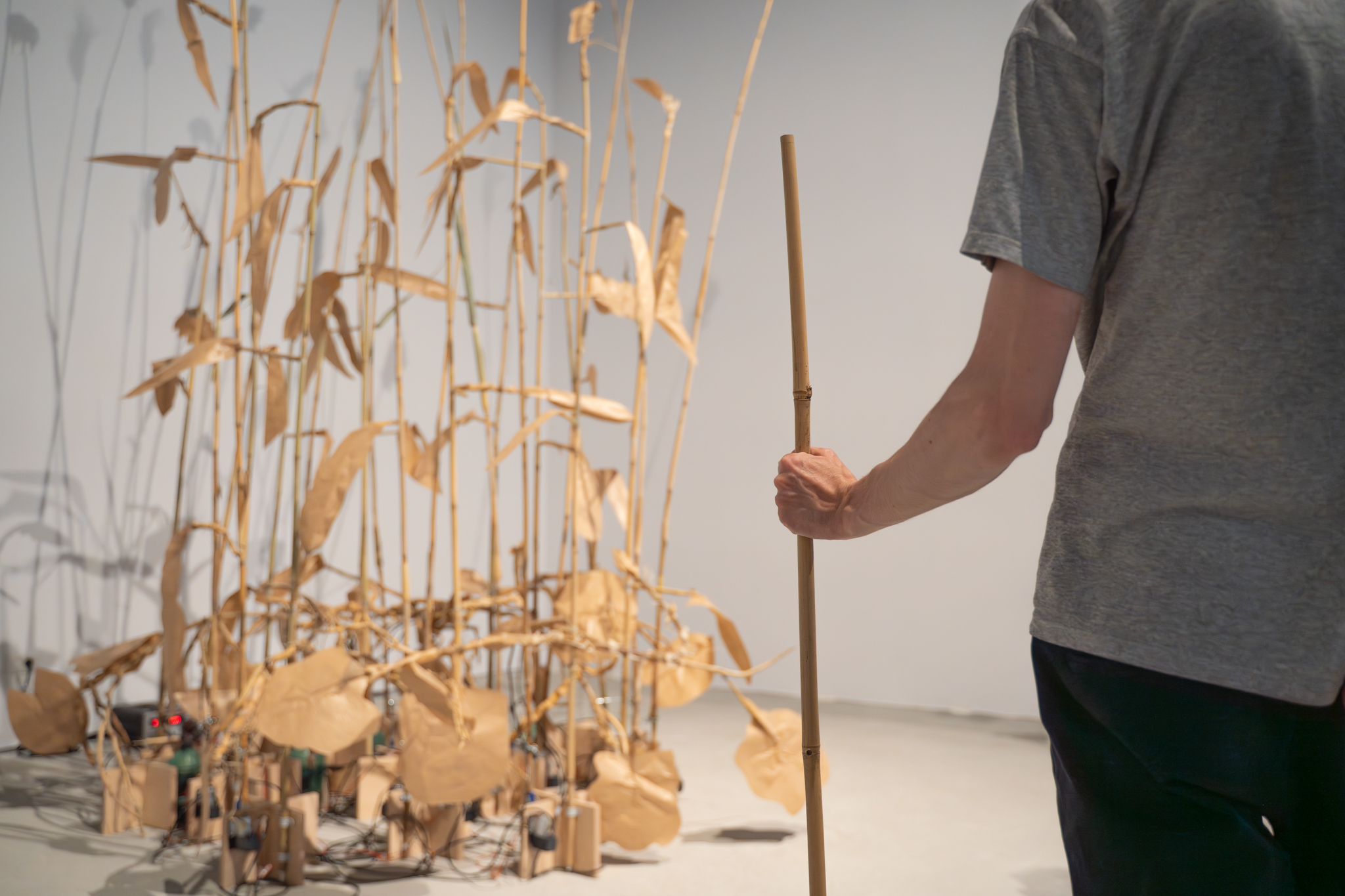
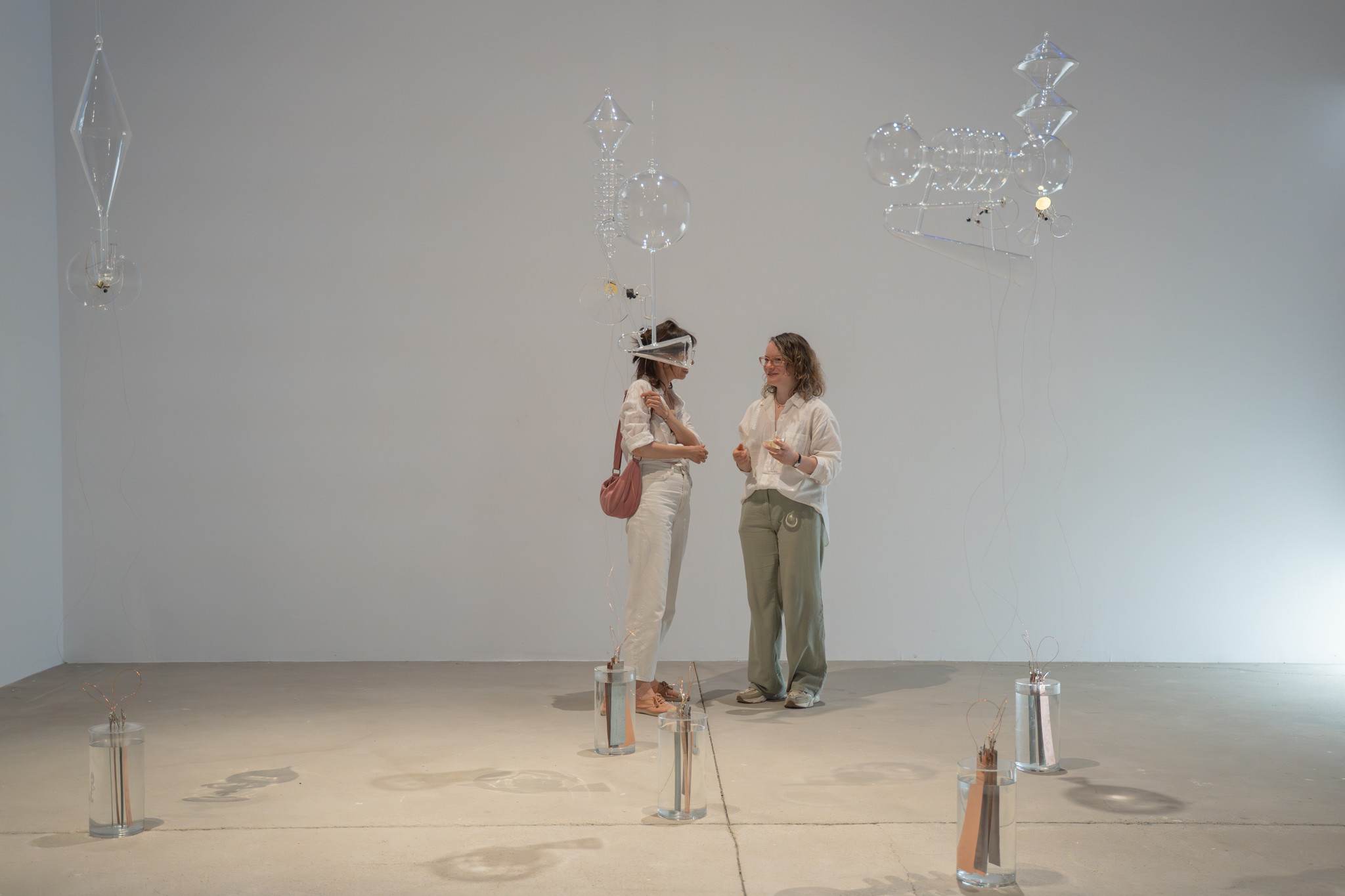
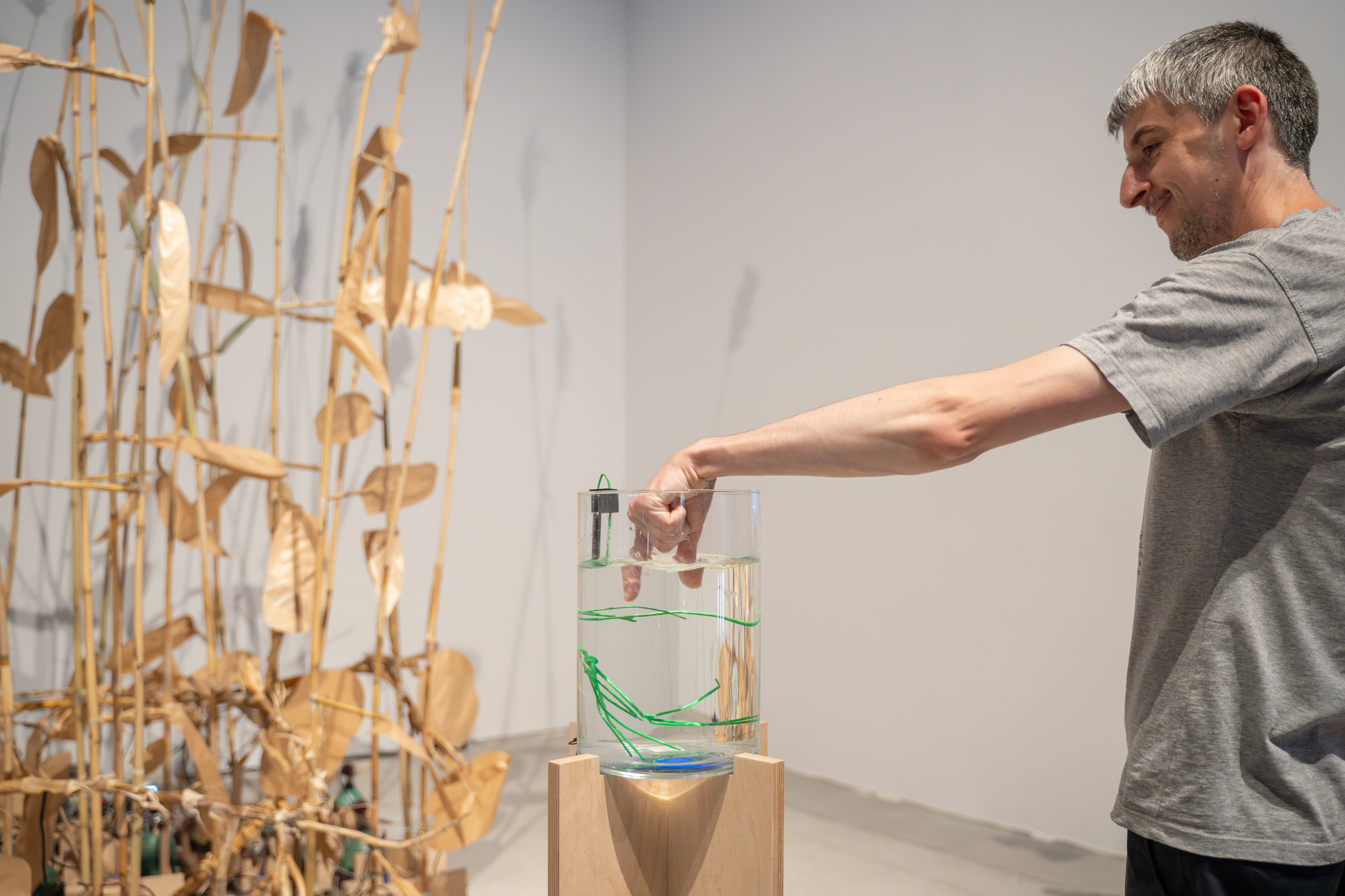
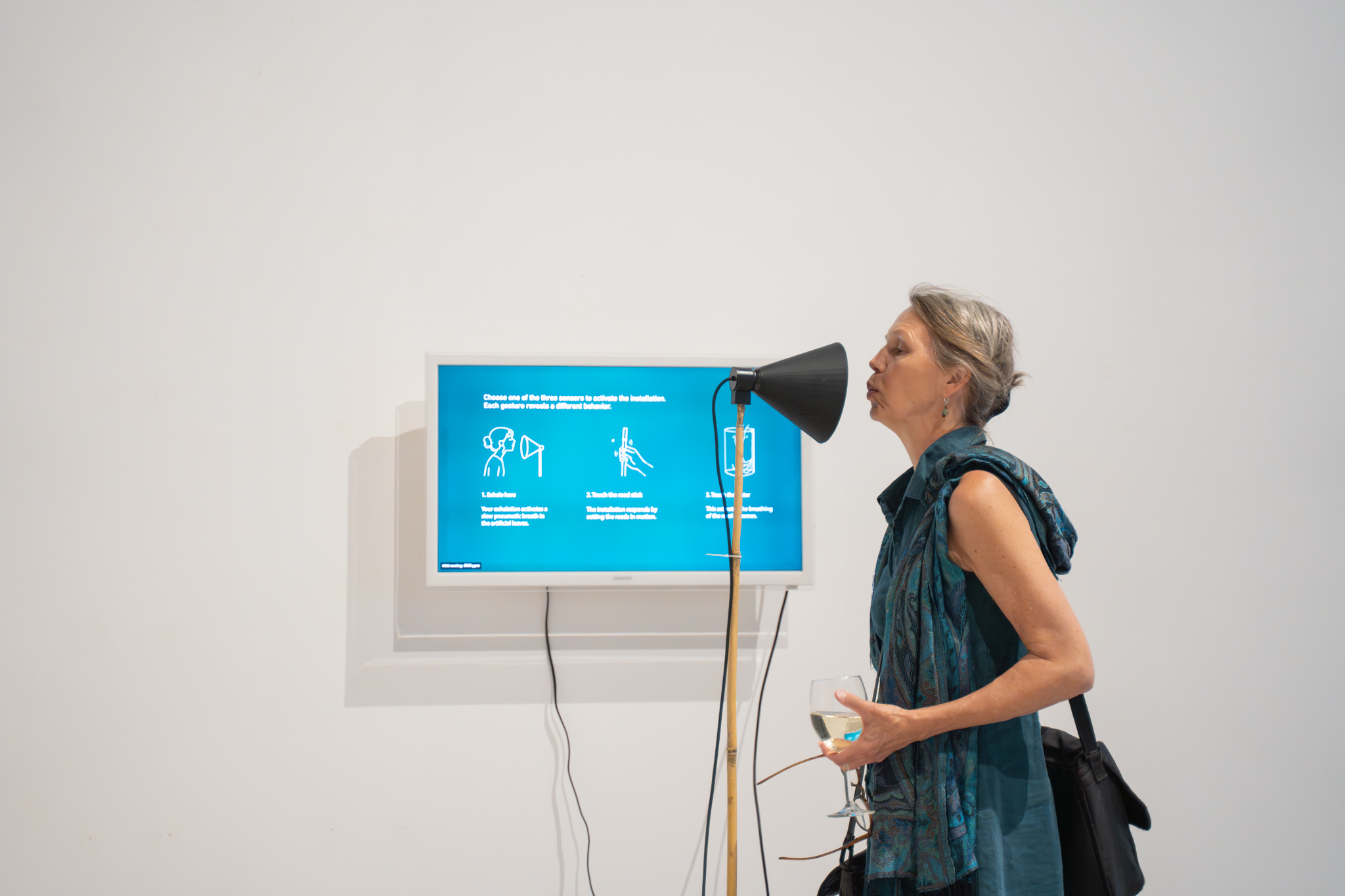
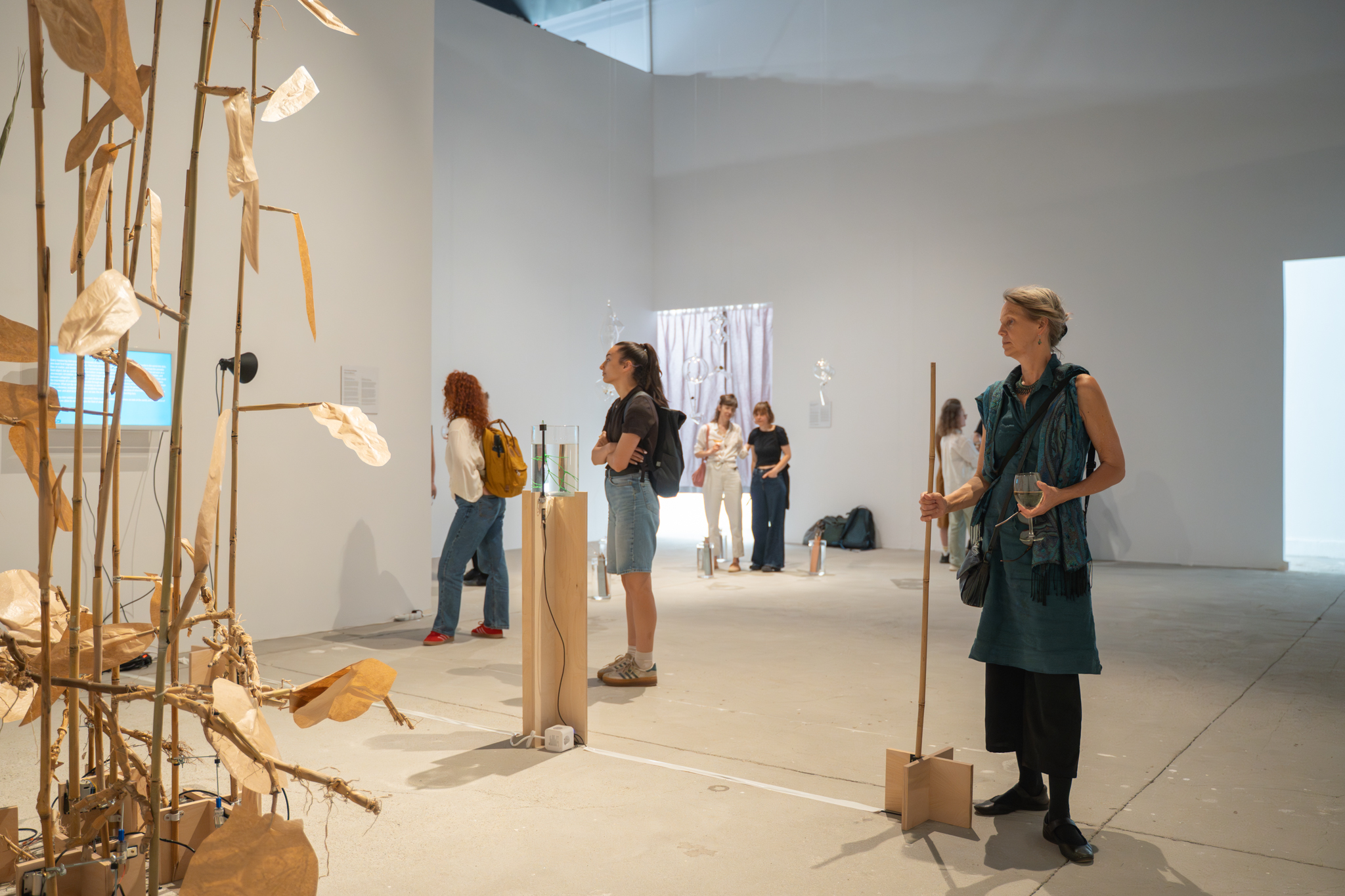
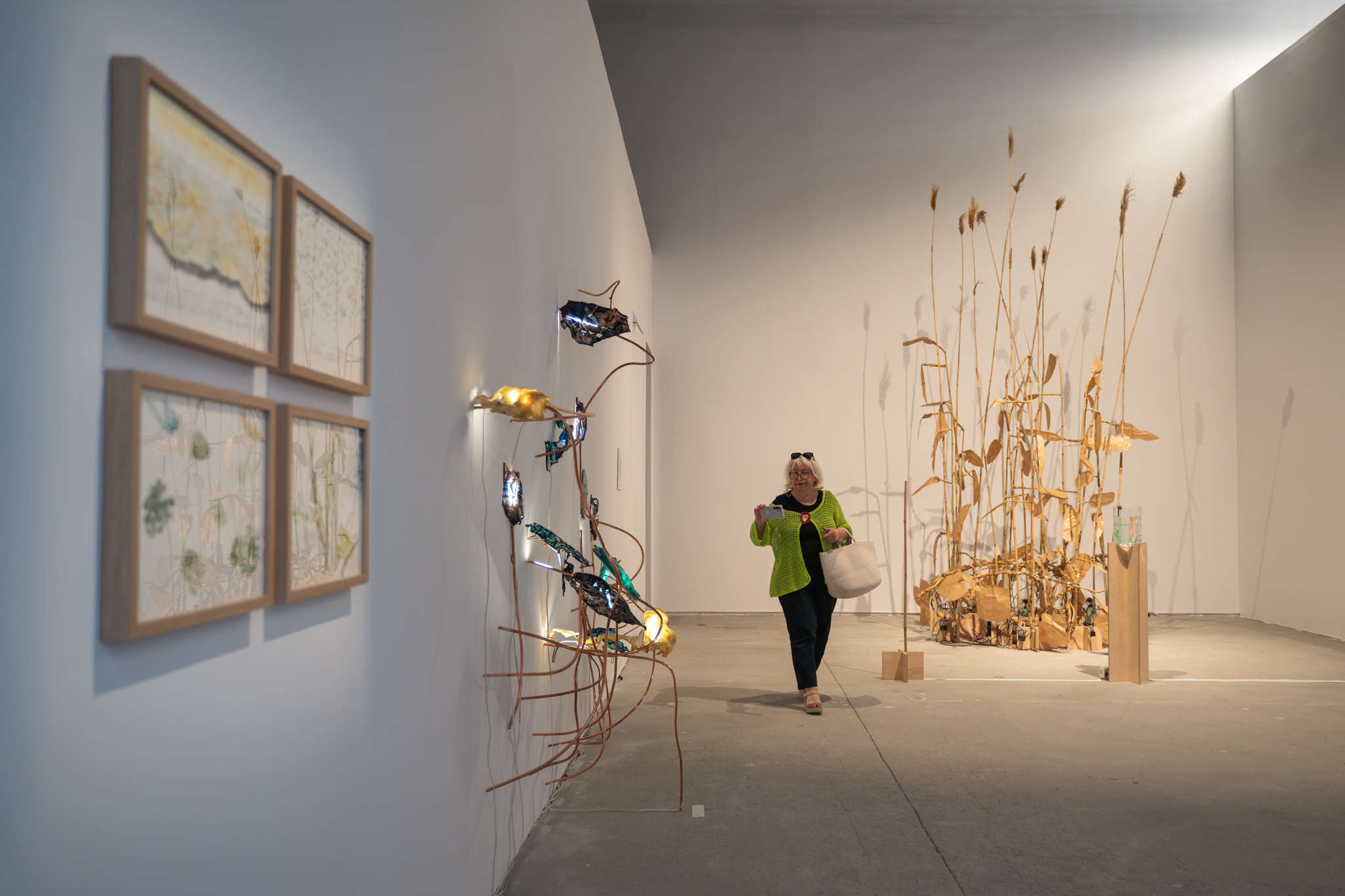
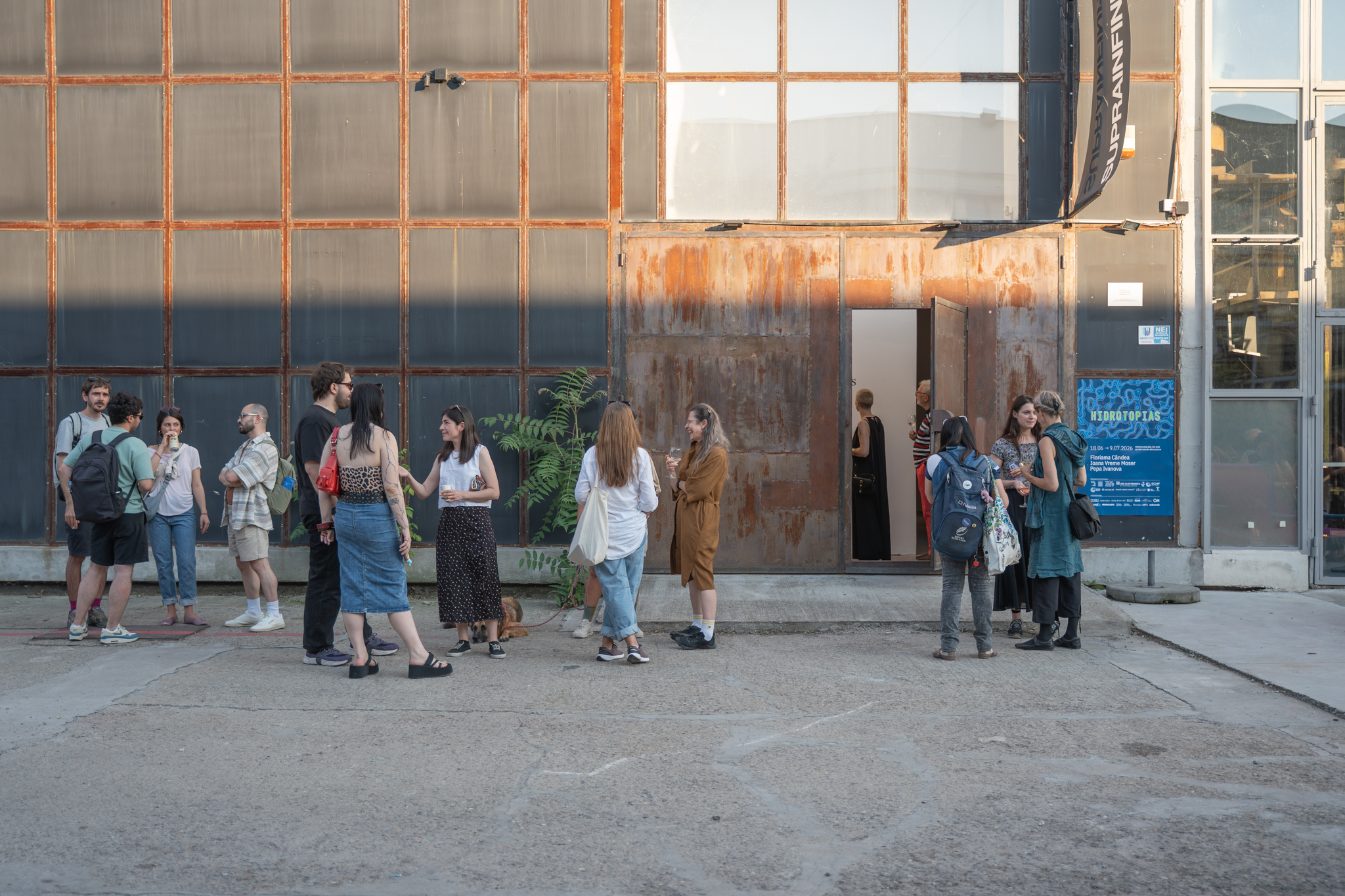
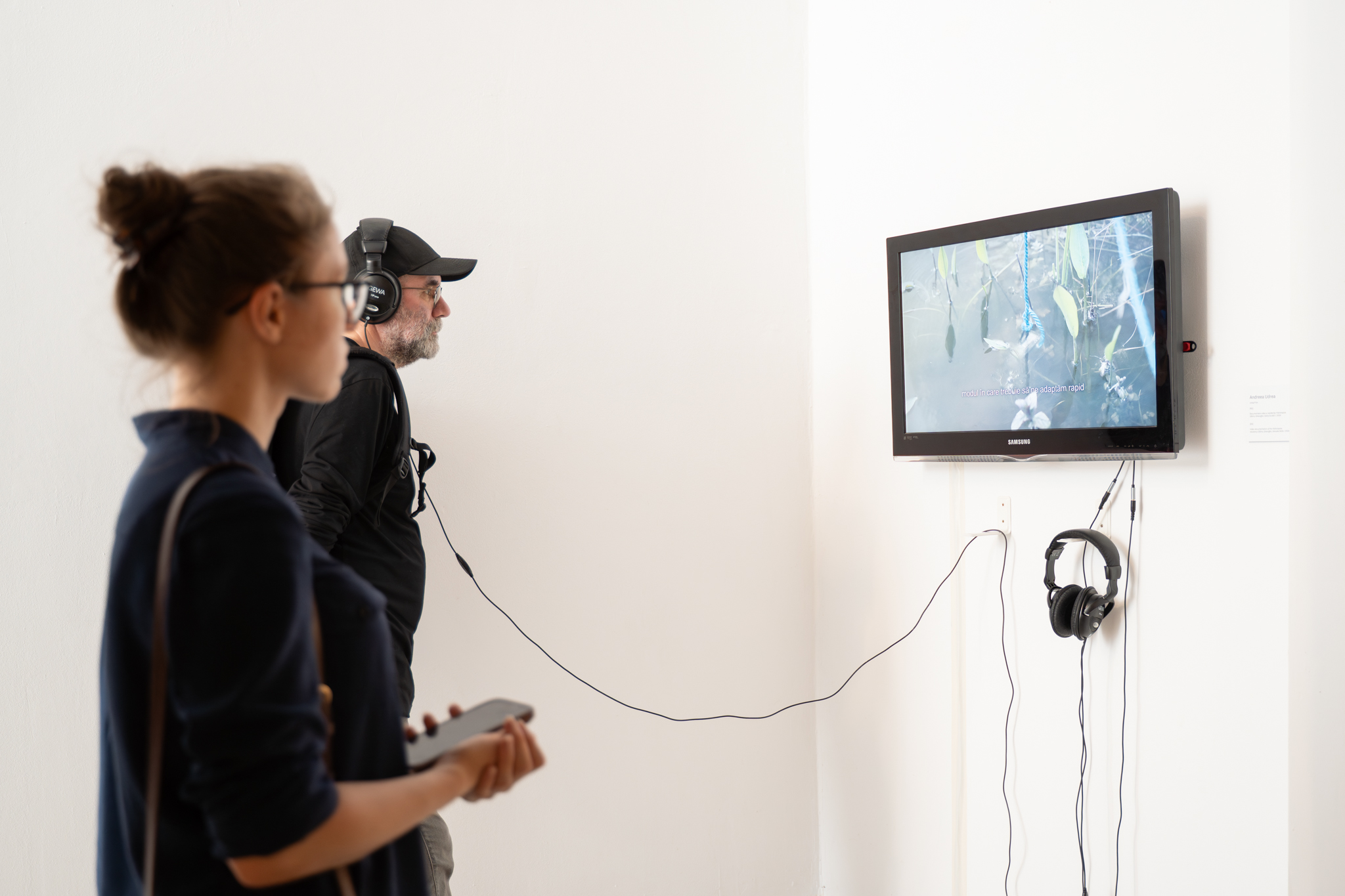
Hidrotopias is an art research and production project that explores the ecological, social, and technological dimensions of aquatic environments in the Danube Delta and the Black Sea basin. Bringing together artistic research, fieldwork, and interdisciplinary collaboration, the project investigates how water connects ecosystems, infrastructures, human communities, and non-human forms of life across geographical and political boundaries. Developed through a field research trip in Sfântu Gheorghe, Danube Delta, in collaboration with researchers Ștefan Constantinescu and Răzvan Crimschi, Hidrotopias examines multiple ways of knowing and engaging with aquatic territories. The project focuses on themes such as ecological interdependence, environmental change, invasive species, hydrological infrastructures, pollution, sensing technologies, and the ecological processes that connect rivers, wetlands, and coastal environments. Rather than approaching the Delta as a static landscape, Hidrotopias understands it as a dynamic and constantly transforming environment shaped by complex exchanges between natural processes and human activity. Through artistic production, speculative methodologies, and site-responsive research, the project creates new frameworks for reflecting on vulnerability, resilience, and coexistence in a time of ecological uncertainty. The project culminates in a series of artworks by Floriama Cândea, Pepa Ivanova, and Ioana Vreme Moser, each offering a distinct perspective on the interconnected ecologies of the Danube Delta and the Black Sea region.
MEET THE ARTISTS:
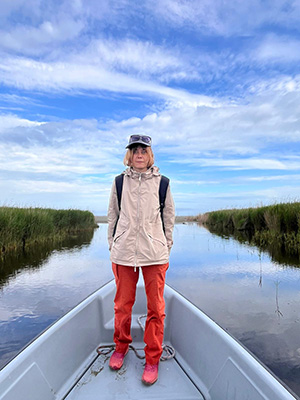
Floriama Cândea
Floriama Candea explores the dynamics between objects and the way we perceive them by creating hybrid visual identities. Her versatile toolkit spans interactive, kinetic, and video installations to sculpture, experimental electronics, drawing, and printing, with an additional focus on creating visuals using bio-based materials. With the complex relation between science, philosophy, and technology at the core of her practice, she questions our role as well as the stakes of the Anthropocene, at the dawn of a possible new era. Guided by a childlike curiosity and a tendency to accidentally surprise even herself, she moves seamlessly between biomaterials, speculative systems, and occasionally making very good soup.
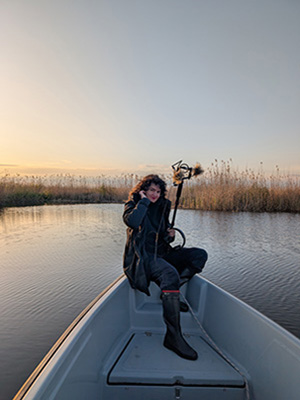
Ioana Vreme Moser
Ioana Vreme Moser is a sound artist working with hardware electronics, speculative research, and tactile experimentation. She uses raw electronic processes to create diverse sound materialities, placing components and control voltages in interaction with her body, organic matter, found objects, and environmental stimuli. From these collisions emerge synthesized sounds that carry personal narrations and reflections on the history of electronics, their production chains, wastelands, and entanglements with the natural world. Somewhere between solder fumes, field recordings, and experimental circuitry, she moves through mediums like an electronic princess with perpetually busy hands.
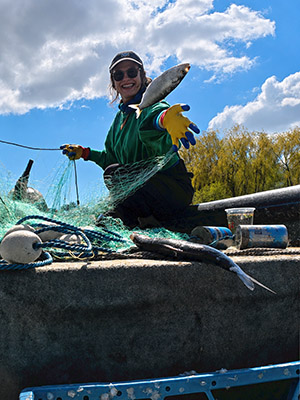
Pepa Ivanova
Pepa Ivanova Looking at the interconnected factors in balancing a marine ecosystem, Pepa dives into the Black Sea's polluted depths and wanders in culinary ethnologies. She questions the epistemological values of scientific, observational data and modes of knowledge production in art-science collaborations. She works across digital technologies, customised electronics, sound, performance, living matter, and materials such as porcelain and glass. Pepa creates installations that unfold narratives through objects, light, and sound. At present, Pepa writes recipes for adapting and surviving through mutation and polyphonic cosmic songs - and, when the river calls, she fish.
THE BEST PROJECT TEAM:
Diane Pricop
Diane Pricop is a Bucharest-based independent cultural producer and co-founder of Obsolete Studio, an initiative supporting artist-researchers and organizations working at the intersection of environmental, social, and technological challenges through educational programs, interdisciplinary research, and publishing. Her practice focuses on developing art-science projects, including residencies, exhibitions, and collaborative productions. Somehow, she manages to coordinate artists, scientists, deadlines, beer and existential ecological crises while making it all look suspiciously easy.
Andreea Udrea
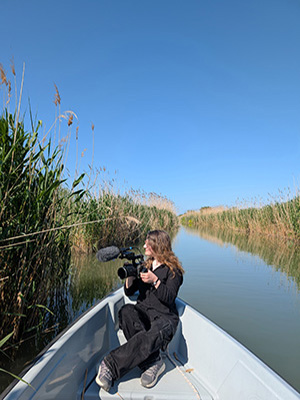
Andreea Udrea is a Bucharest-based documentary filmmaker and video journalist, with a background in psychology and documentary film directing. She works across independent film production, audiovisual campaigns, breaking news, interviews, and reportages, combining socio-cultural sensitivity with an artistic approach. Her documentary projects have been developed and presented in international contexts, and her latest film, The Wind Blows Where It Pleases, received funding from CNC Romania. Her camera is always in plain sight, quietly pretending not to psychoanalyse everyone in the room.
Răzvan Crimschi
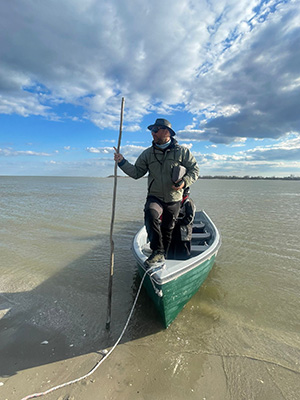
Răzvan Crimschi is a local nature guide in the Danube Delta, an ecosystem storyteller, and a navigator through reed mazes for more than 20 years. Also known as the "Reed Samurai," the "Danube Crocodile," or "the man who talks to birds before coffee," he blends ecology, adventure, and humor in a truly unique way. Between canal expeditions and lessons on biodiversity, he rescues lost dolphins, explains the mysteries of nature, and watches over the silence of the Delta like a local spirit with a Category D navigation license.
Stefan Constantinescu
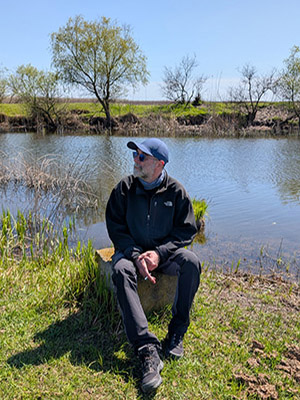
Stefan Constantinescu works at the University of Bucharest, Faculty of Geography, where he teaches courses in Historical Cartography, GIS, and Oceanography. He began his career as a coastal geomorphologist with a thesis on the Romanian cliffed coasts, later shifting his focus to deltaic shores. He views maps not simply as cartographic products, but as cultural syntheses encompassing toponymic, historical, and geographical elements. And he still dreams of heading to other waters as soon as possible, with a notebook full of maps and hopefully a stable Wi-Fi connection.
A TRIP TO DANUBE DELTA
‹
›
DOCUMENTARY
Andreea Udrea, Unda Film Video documentation of the Hidrotopias research trip