CODING DROPS
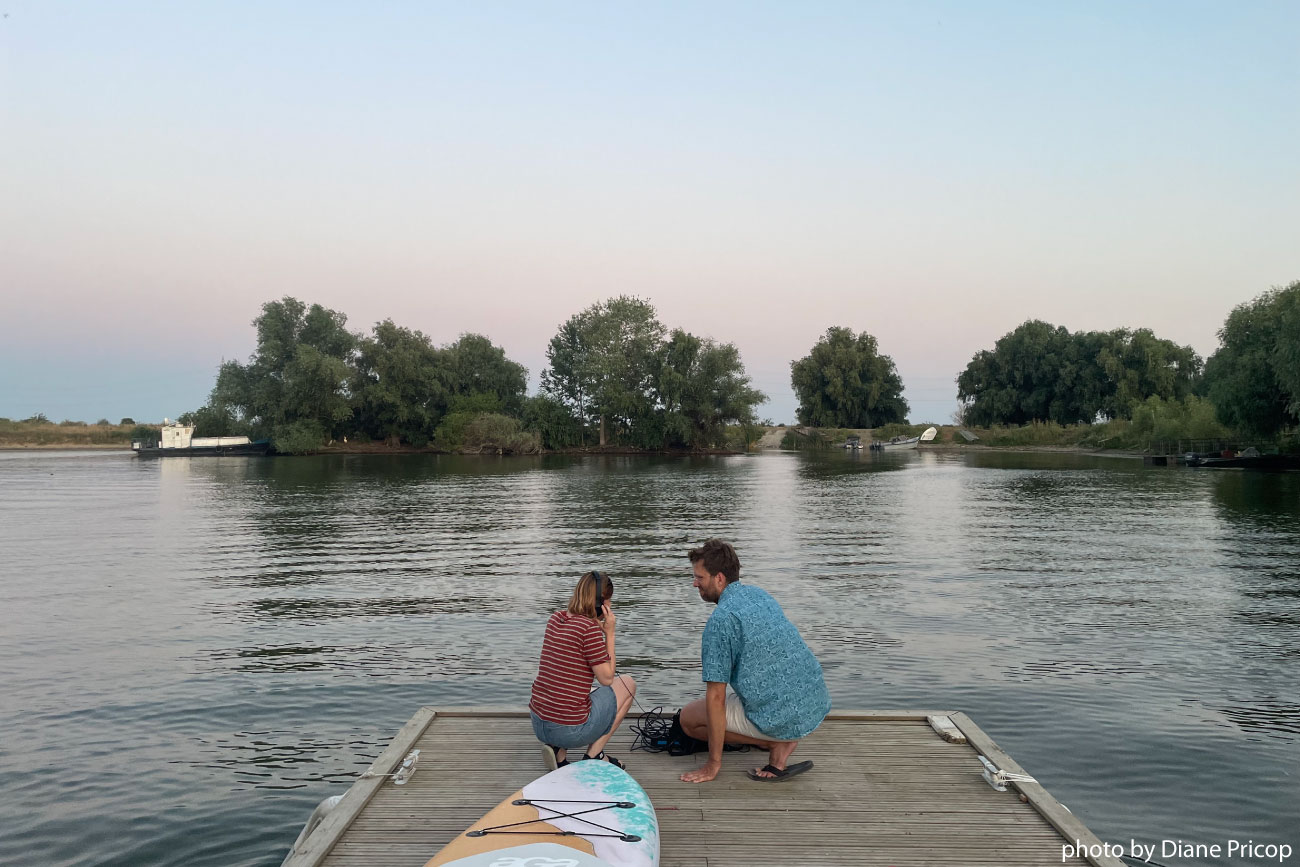
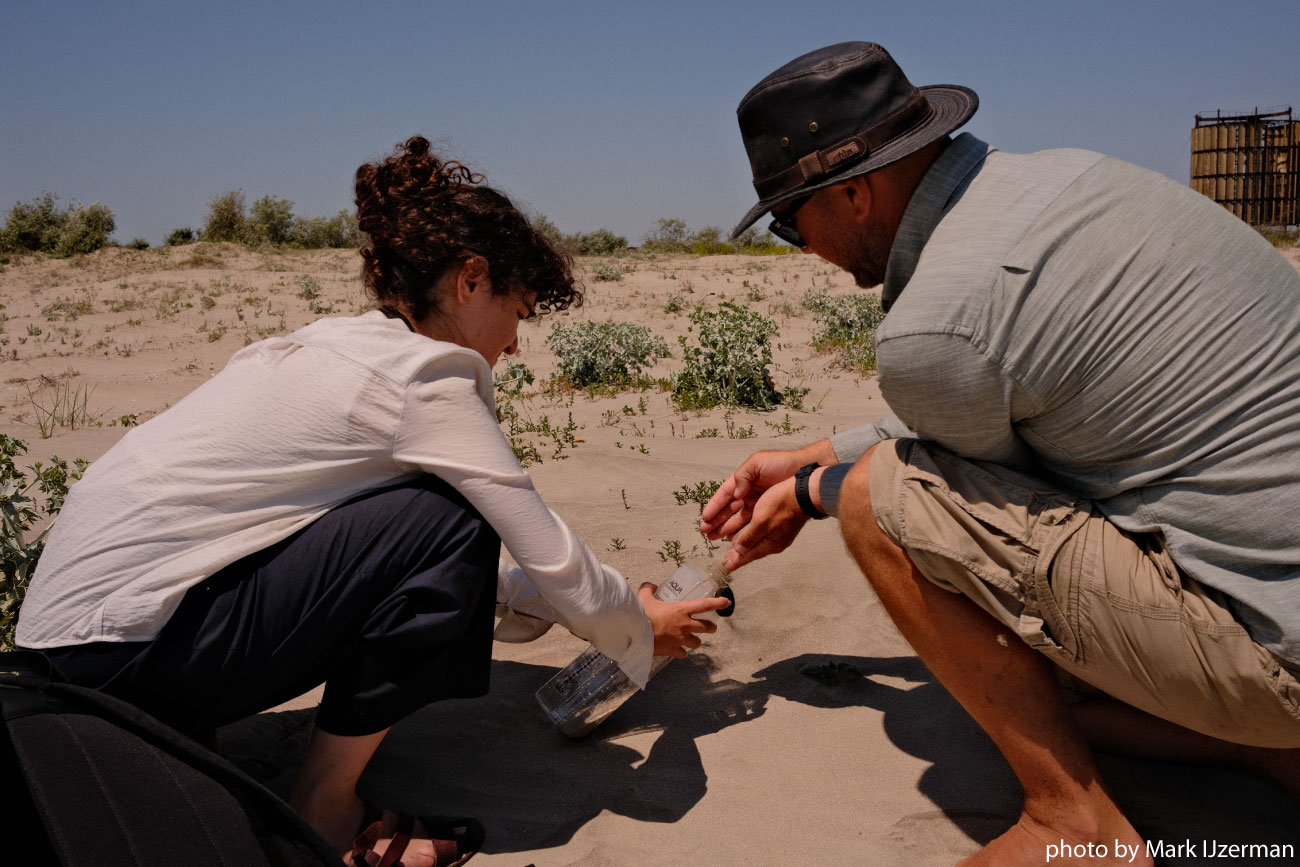
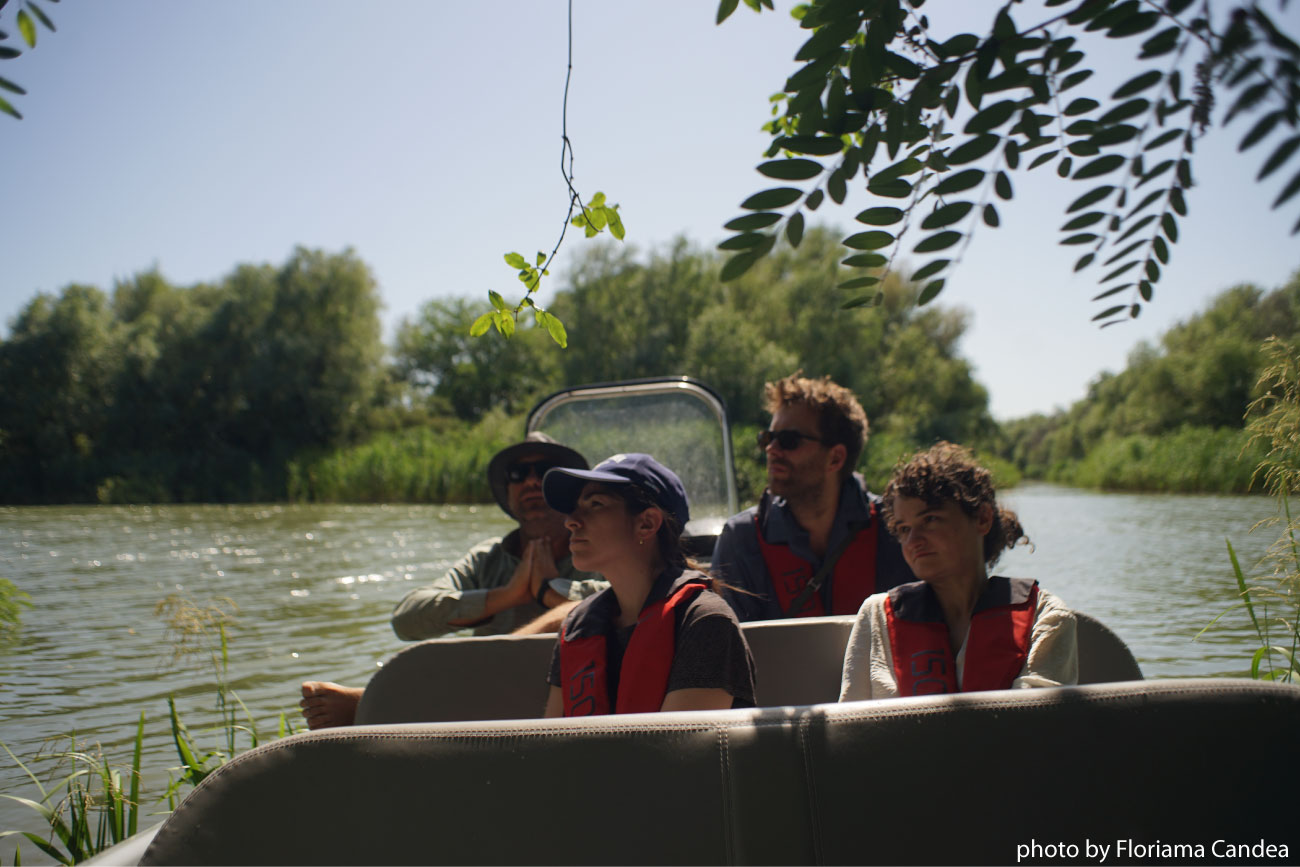
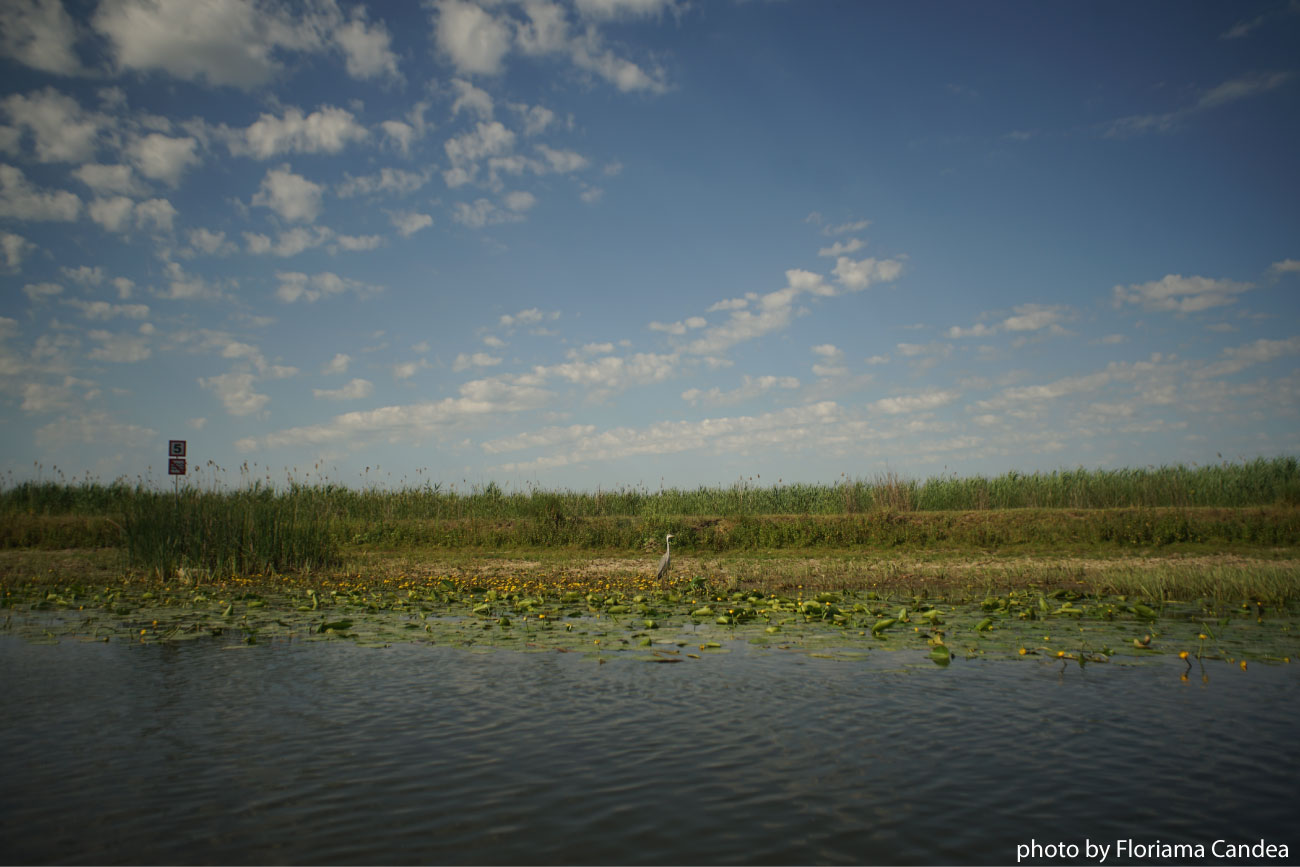
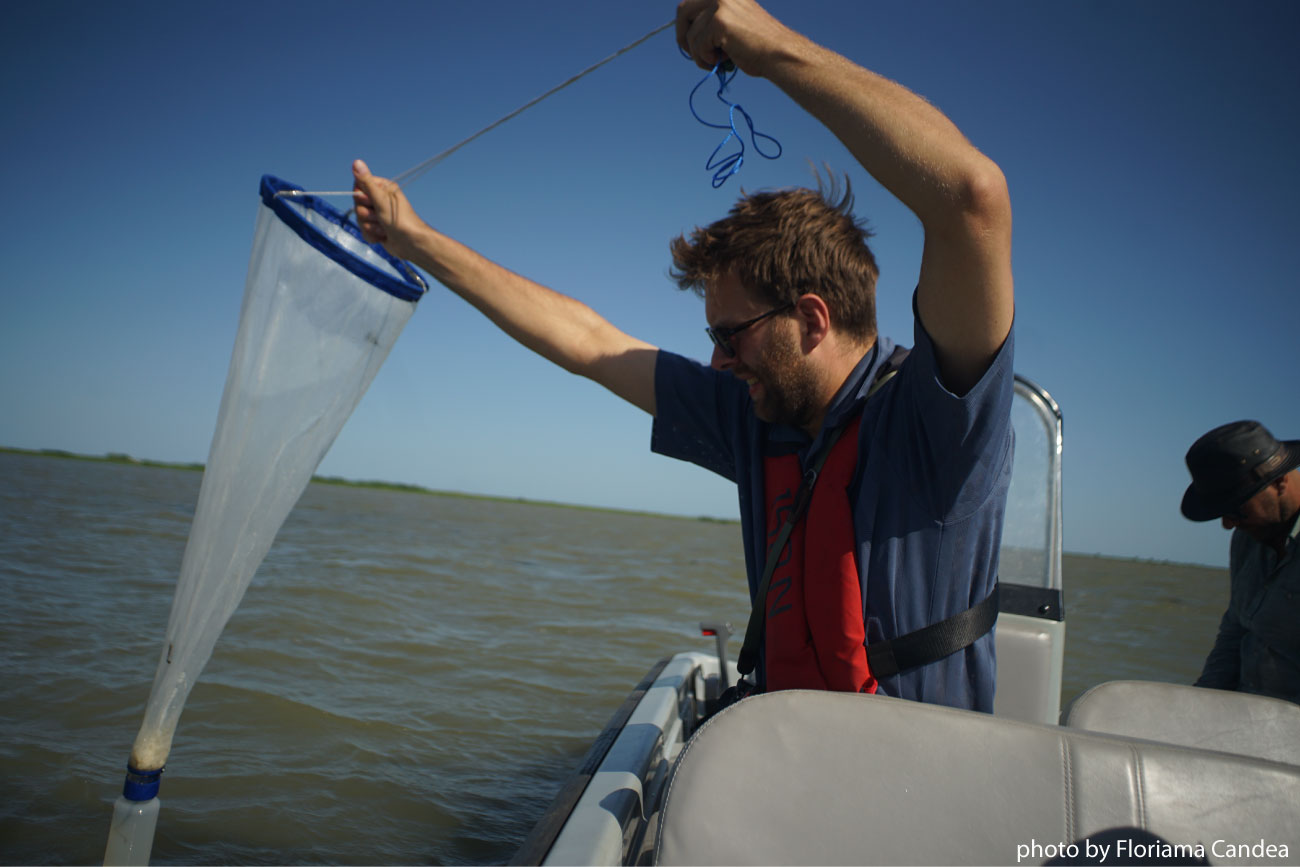
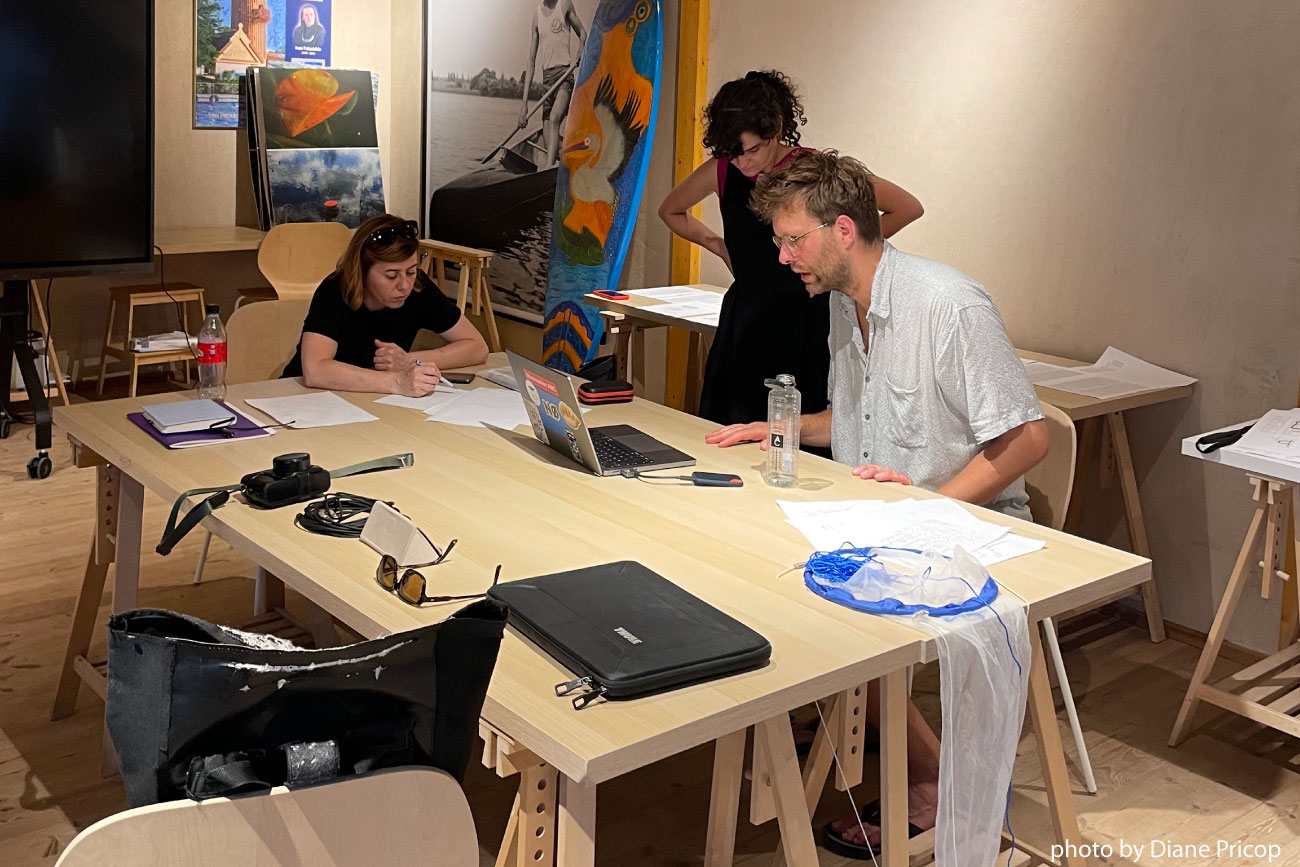
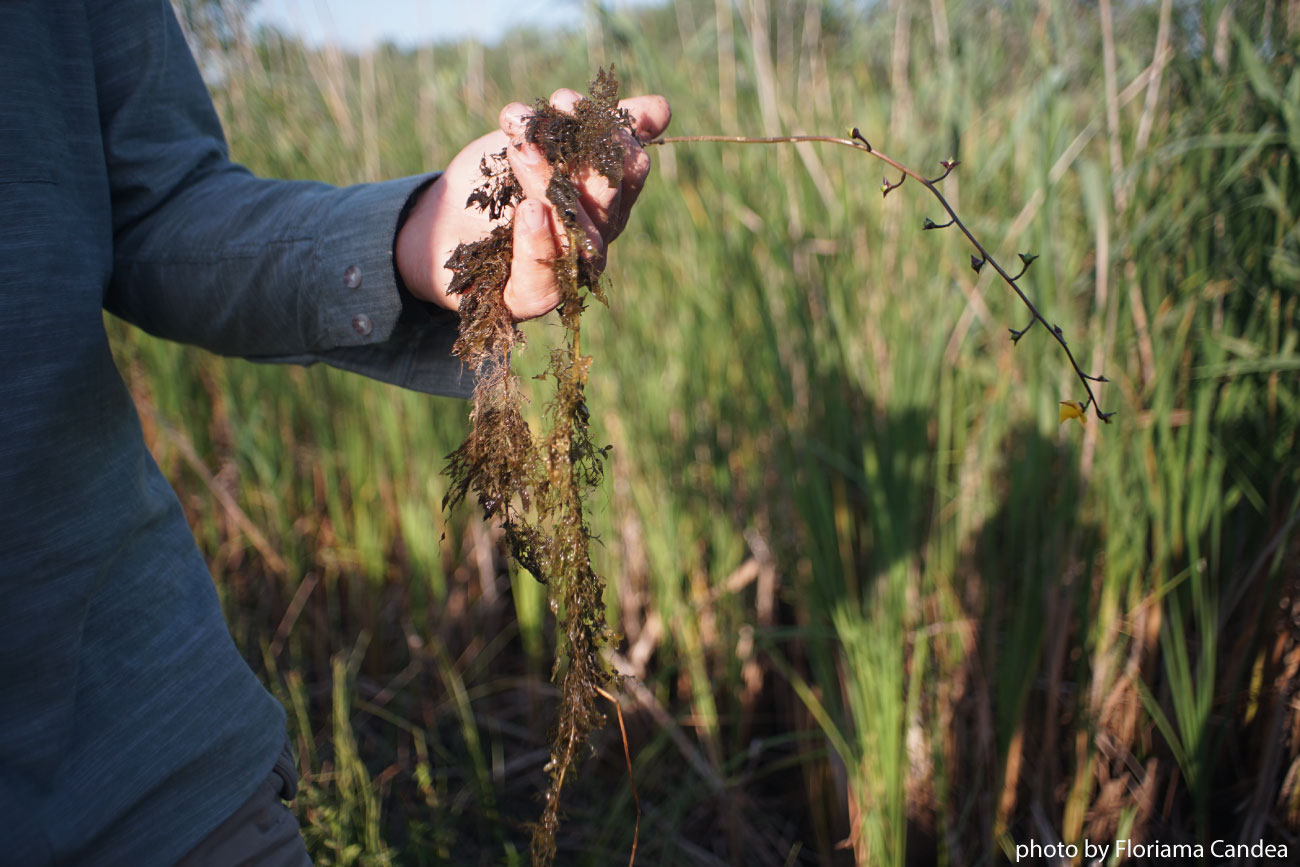
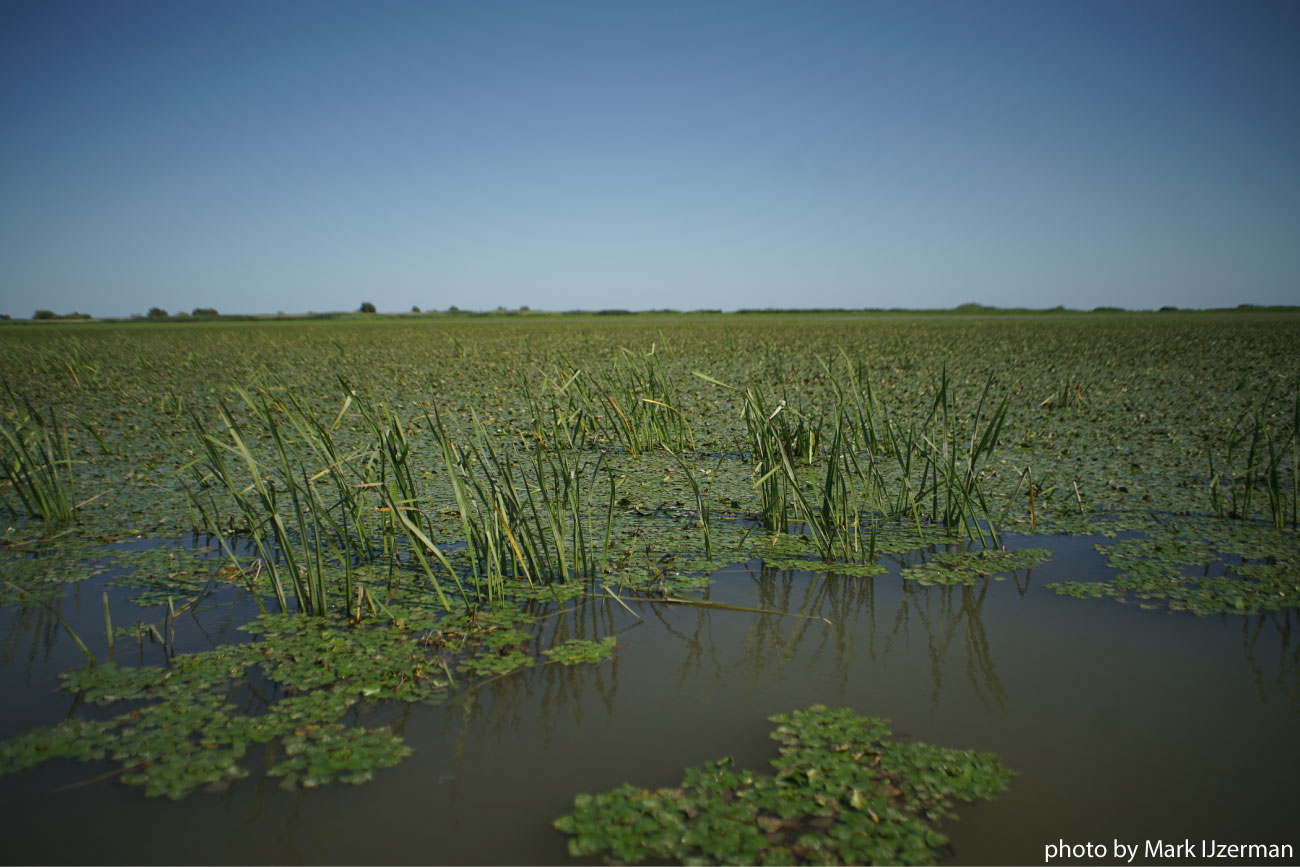
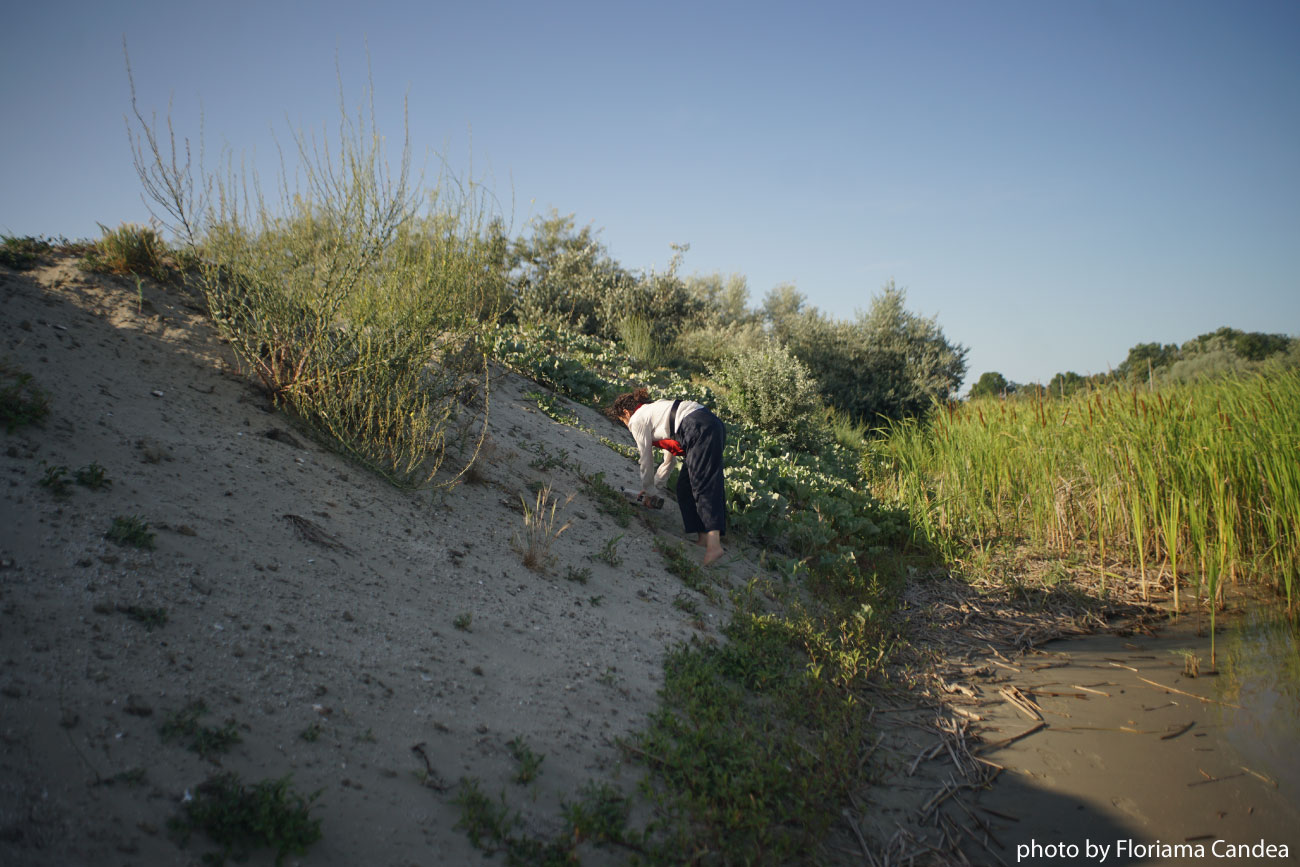
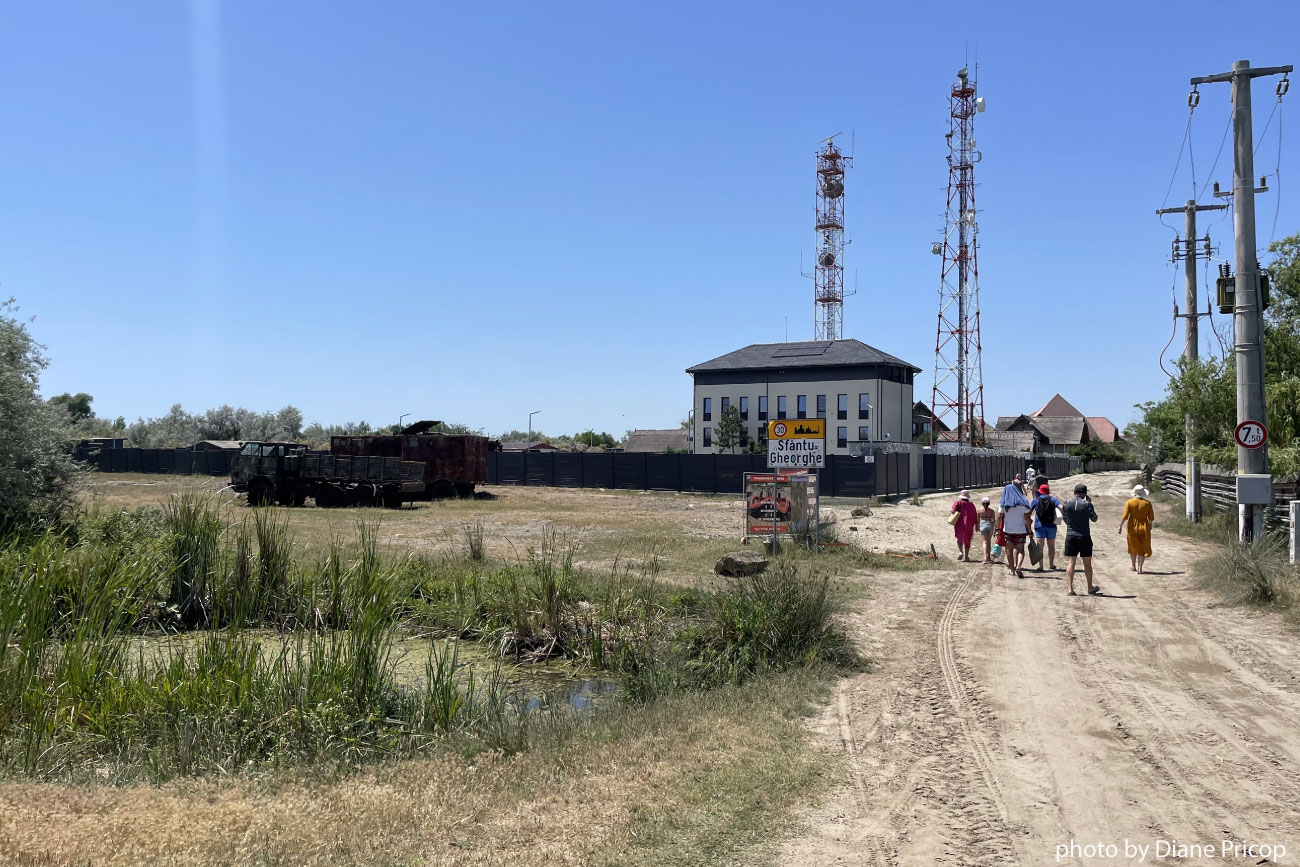
CODING DROPS is an artistic research and production project positioned at the intersection of ecological investigation and interdisciplinary experimentation. Centered on the Danube Delta, the project transforms the water-shaped landscape into a field of observation and reflection, where fluids become both subject and working medium. In June 2025, Qolony brought together artists, researchers, and cultural practitioners in a shared working framework carried out on site, involving field documentation, sample collection, conversations with specialists from the Danube Delta National Institute for Research and Development (INCDDD) and the National Institute for Laser, Plasma and Radiation Physics (INFLPR), as well as analysis sessions hosted at the Mila 23 Community Innovation Center. In this way, fluid systems and their scientific principles — from microfluidics and the microscopic-scale processes studied in the laboratory to the natural dynamics of water and air in the Danube Delta — served as sources of inspiration and conceptual references for the artists’ approaches.
The project operates as a hybrid process in which contextualized research and artistic production intertwine, with careful observation of the environment translated into installations and speculative concepts. Water, regarded as a living and shifting medium, becomes a testing ground for exploring relational systems, sensory perception, and the potential for artistic transposition. The research interests of the participating artists gravitate around the technological and ecological memory of the territory, the ways in which natural processes can be translated into sensory languages, and how these translations can open new forms of awareness and social dialogue.
MEET THE ARTISTS
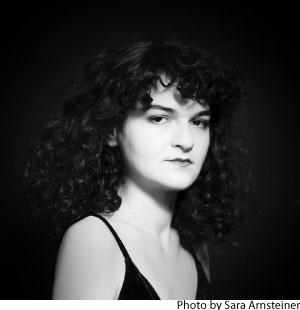 Ioana Vreme Moser
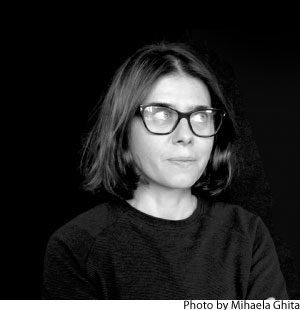 Floriama Cândea
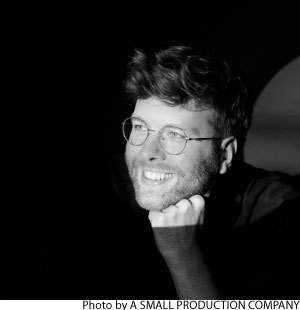 Mark IJzerman
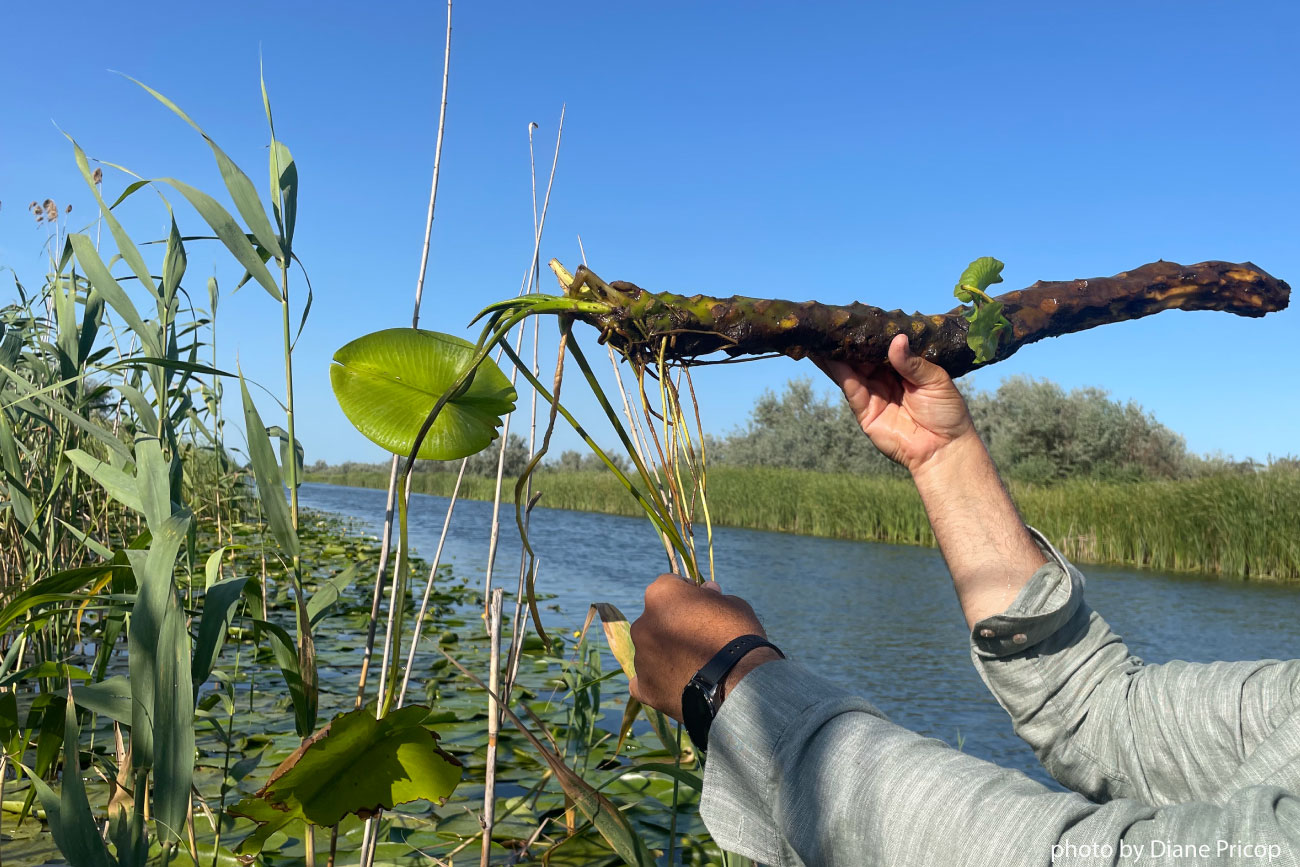
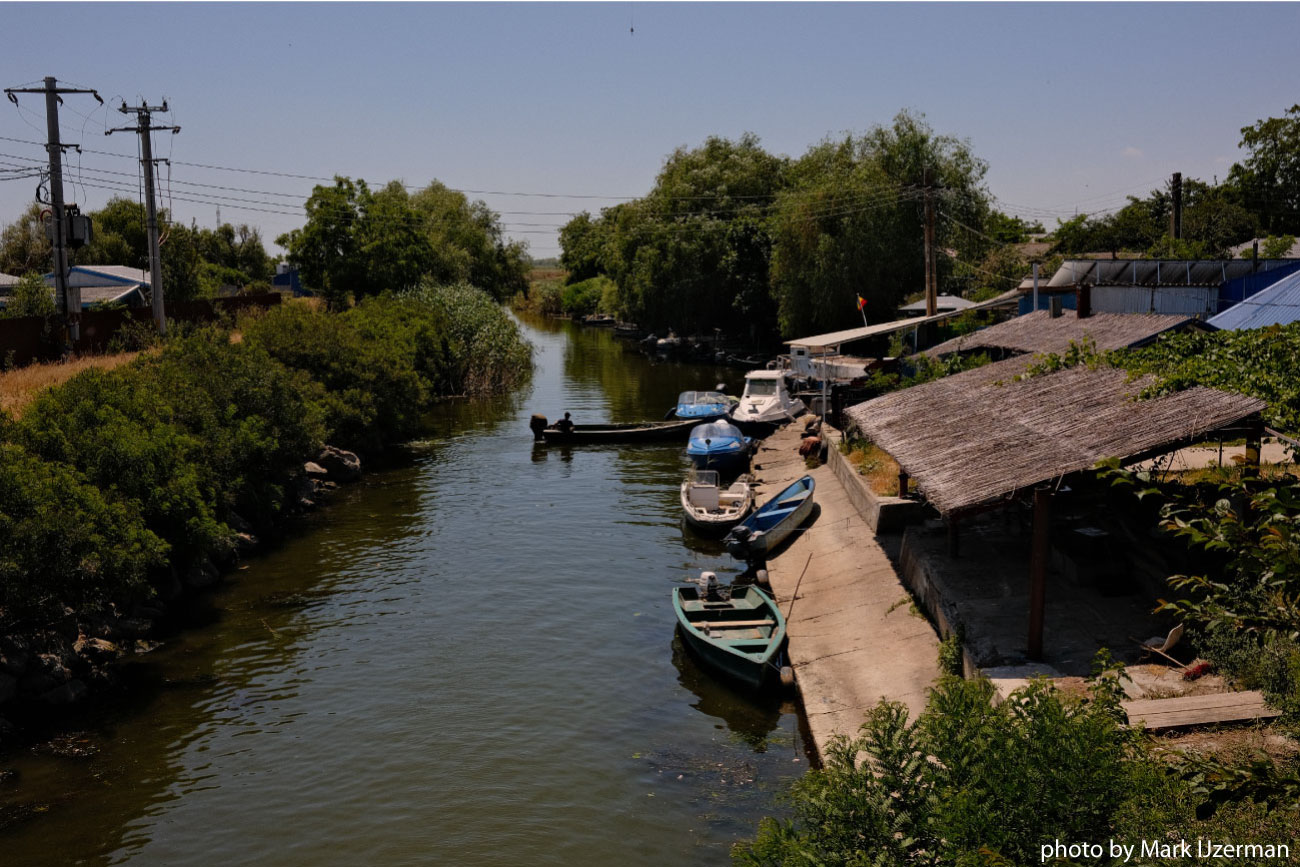
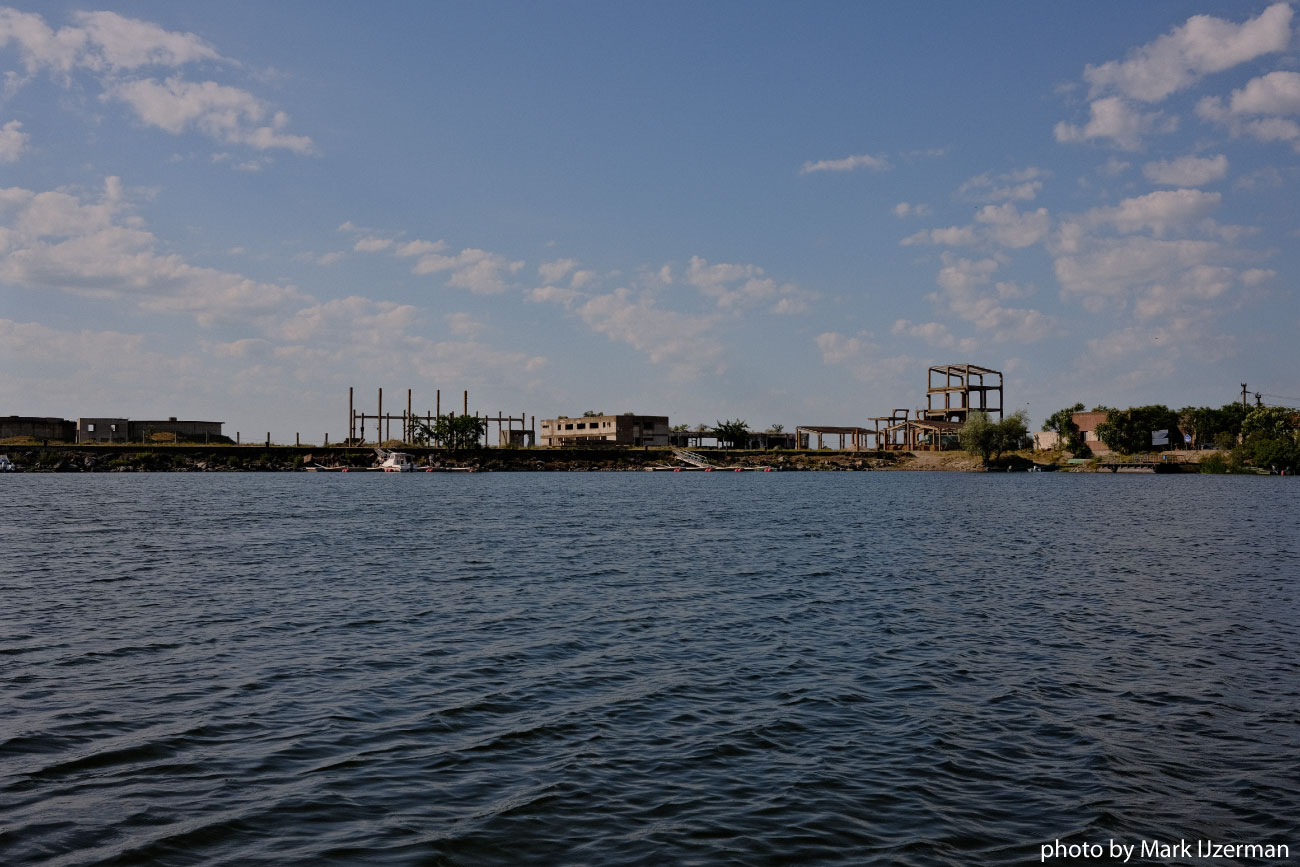
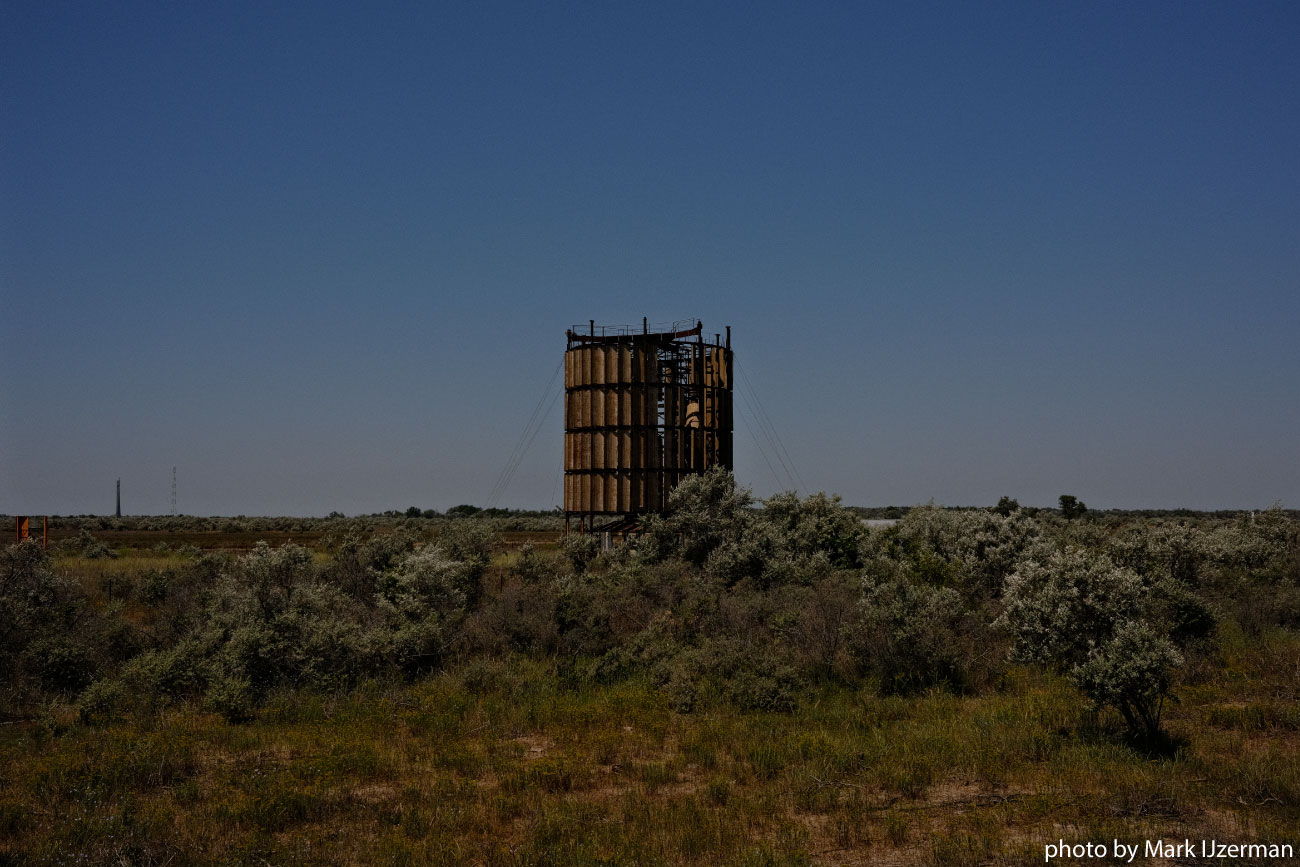
A TRIP TO DANUBE DELTA
Further Reading
EXPO
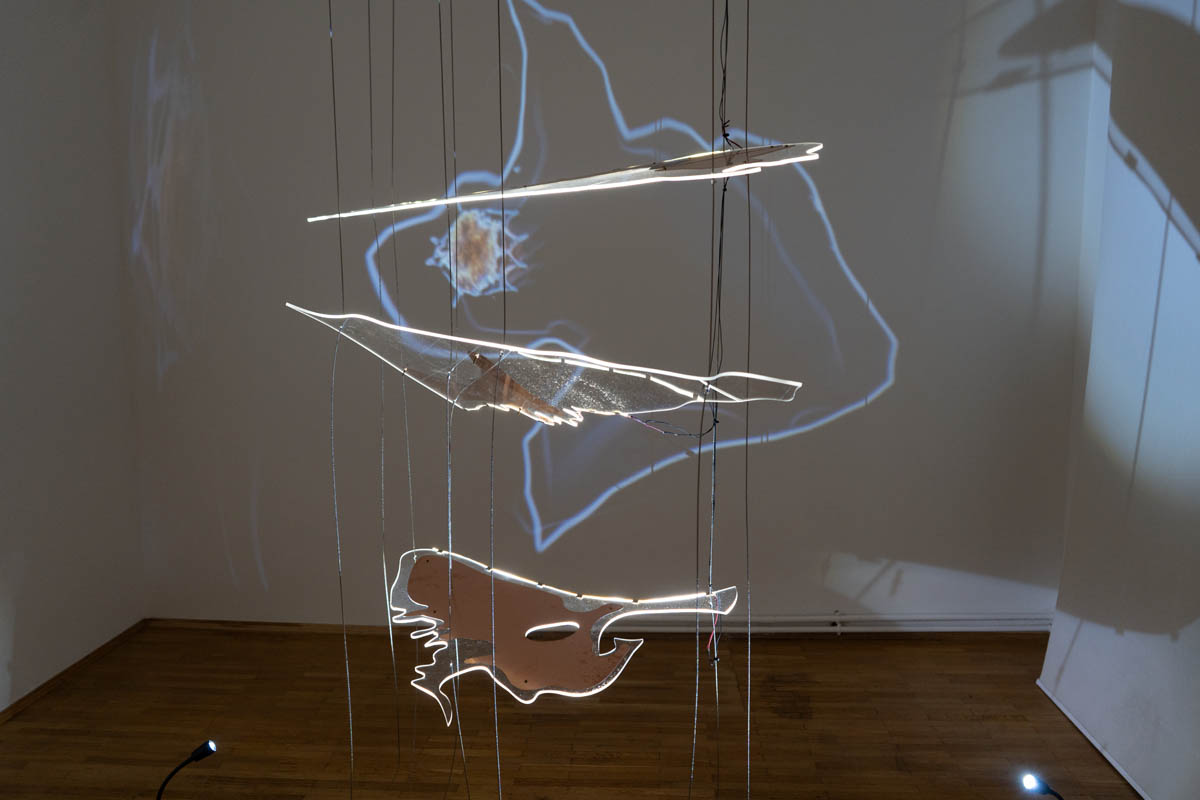
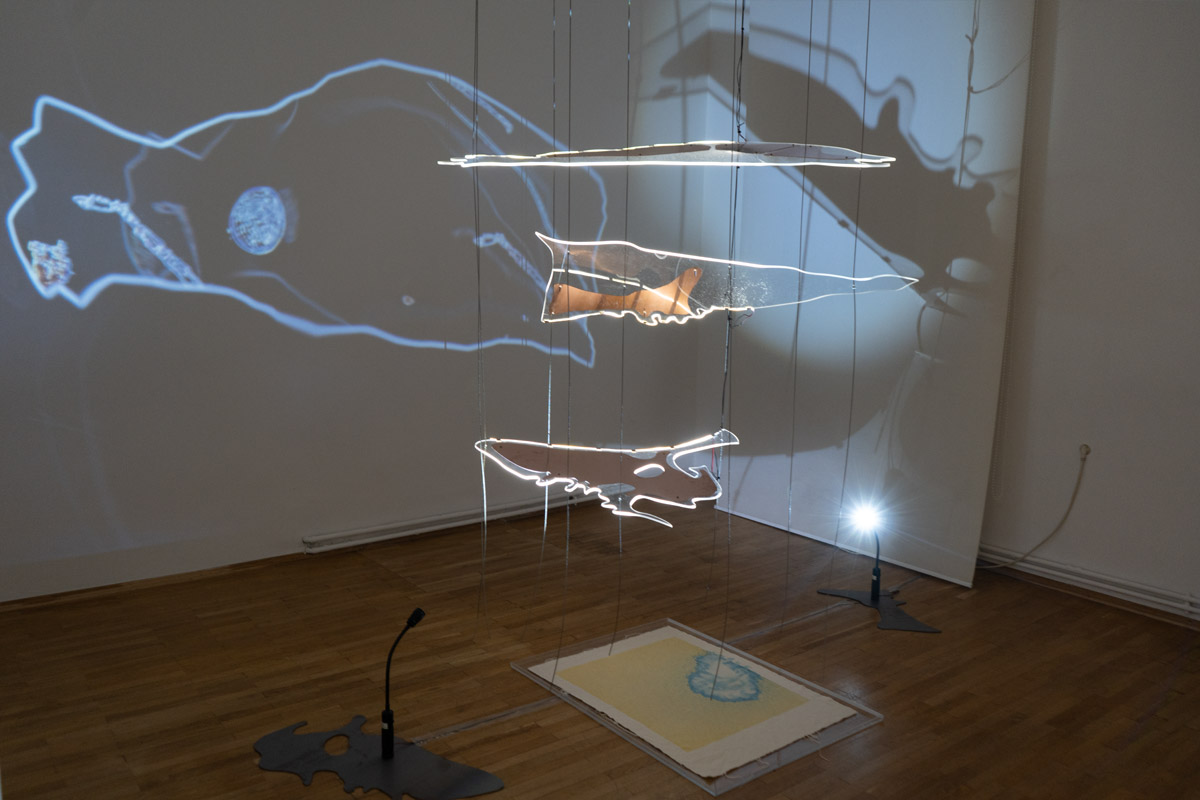
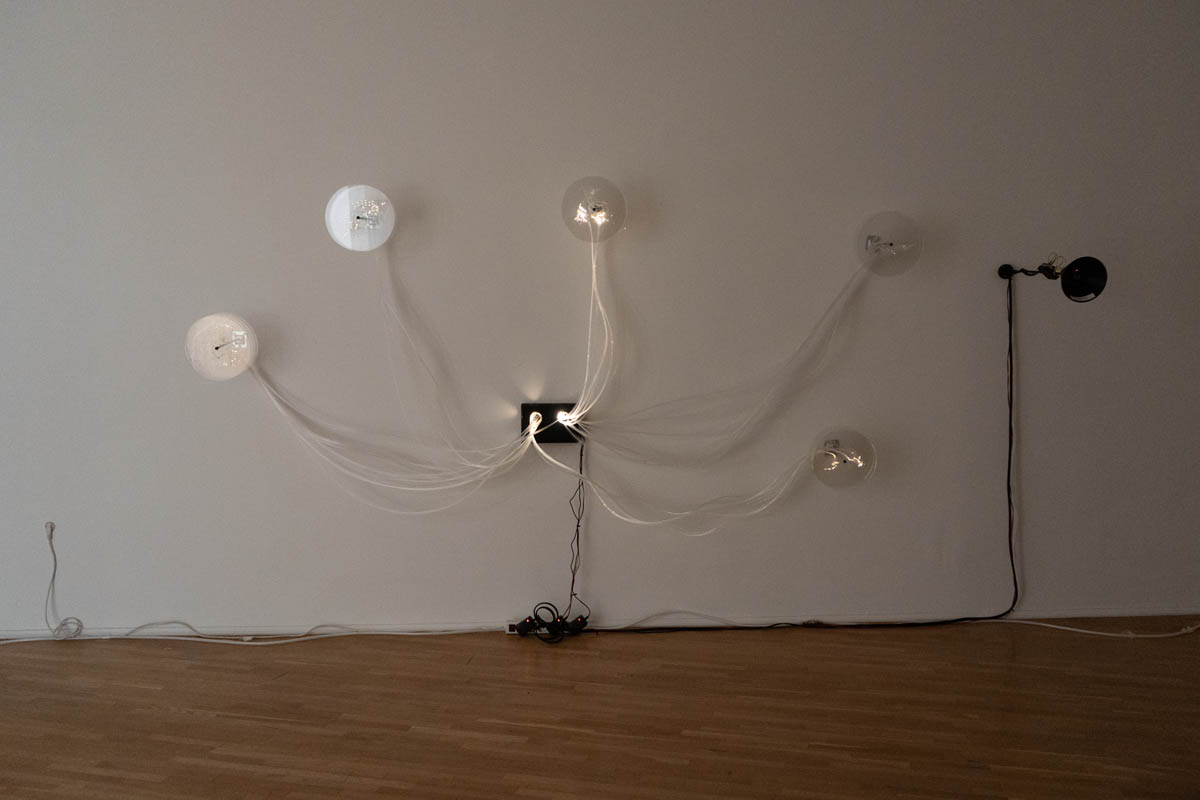
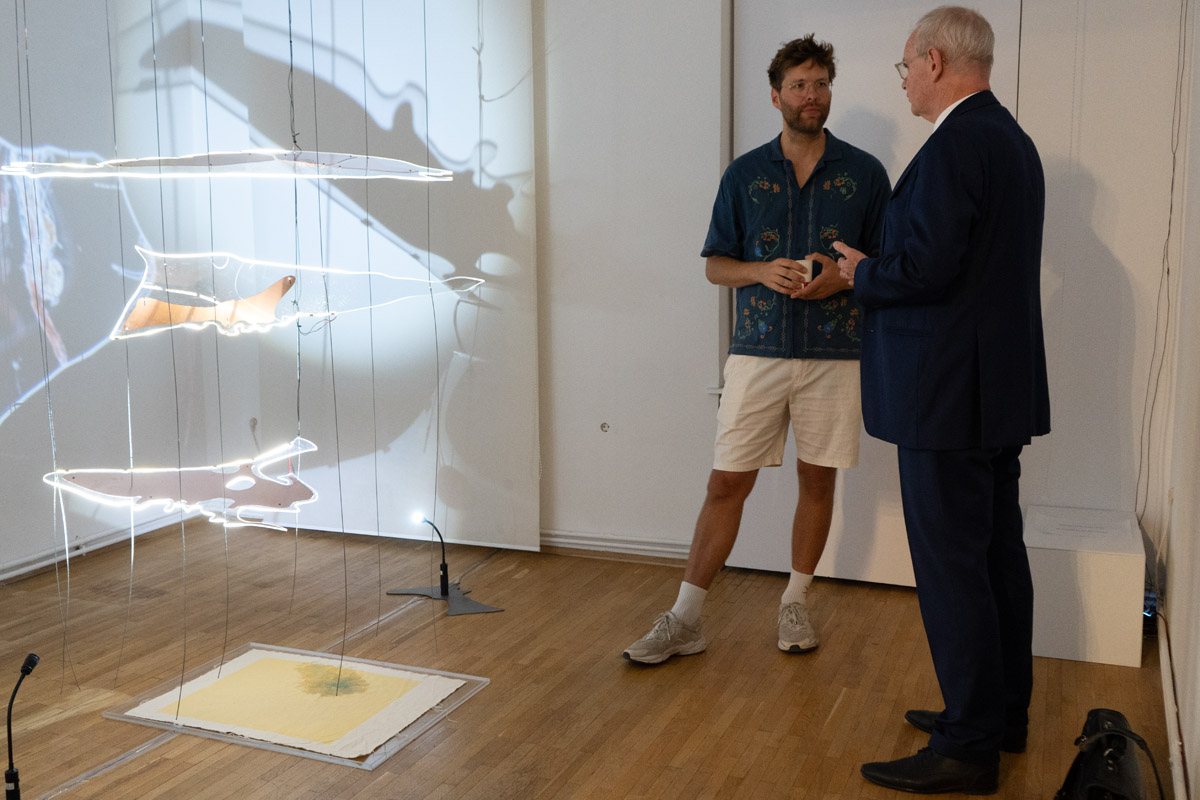
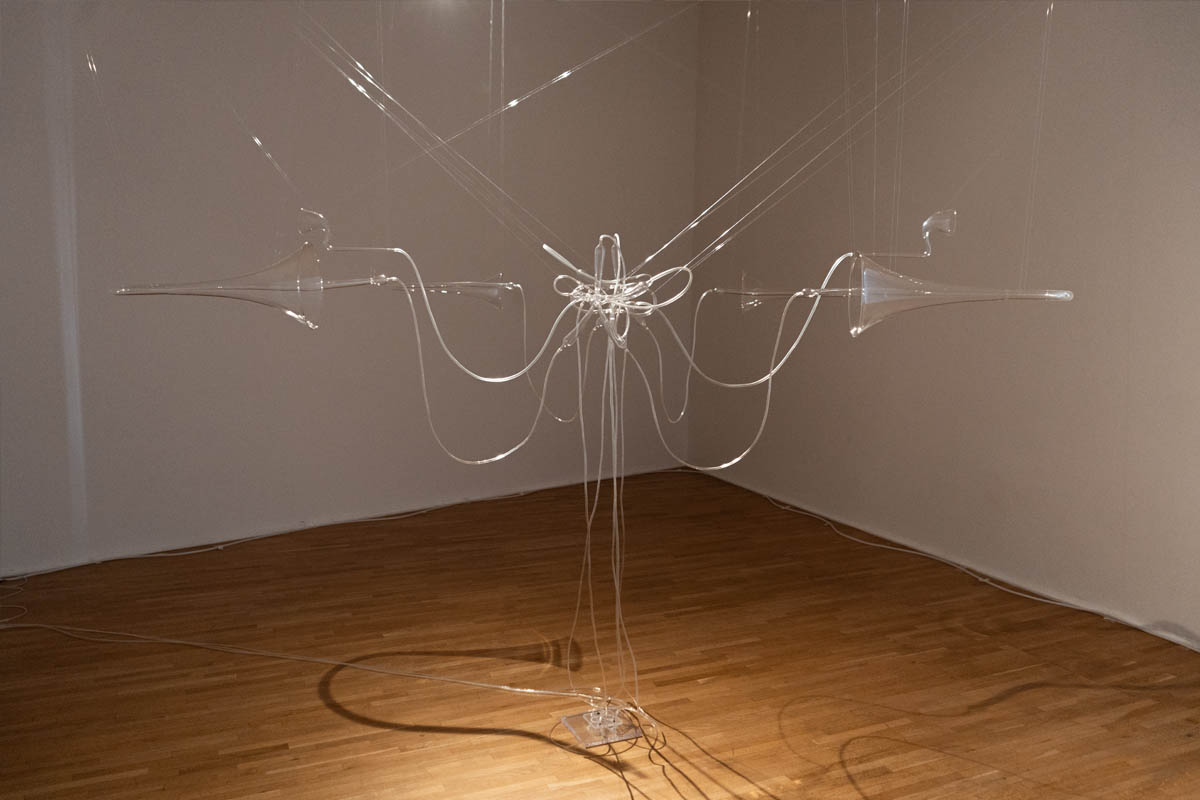
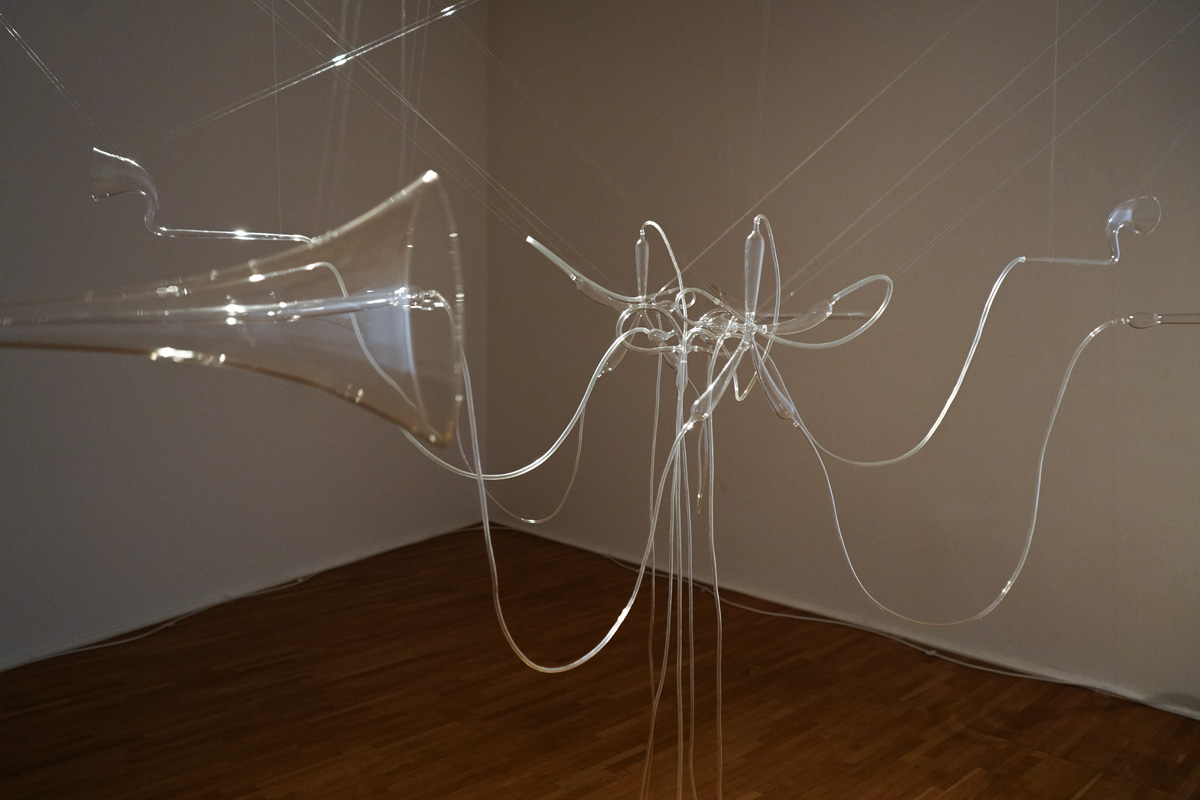
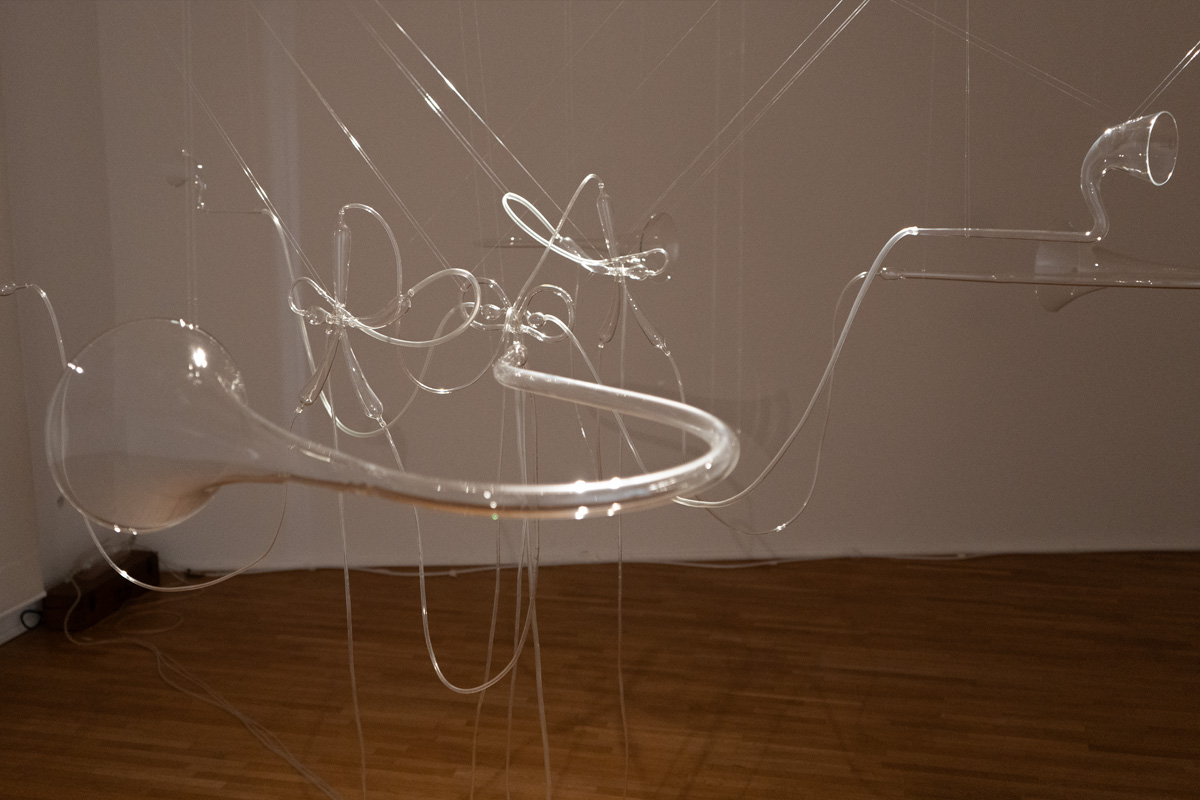
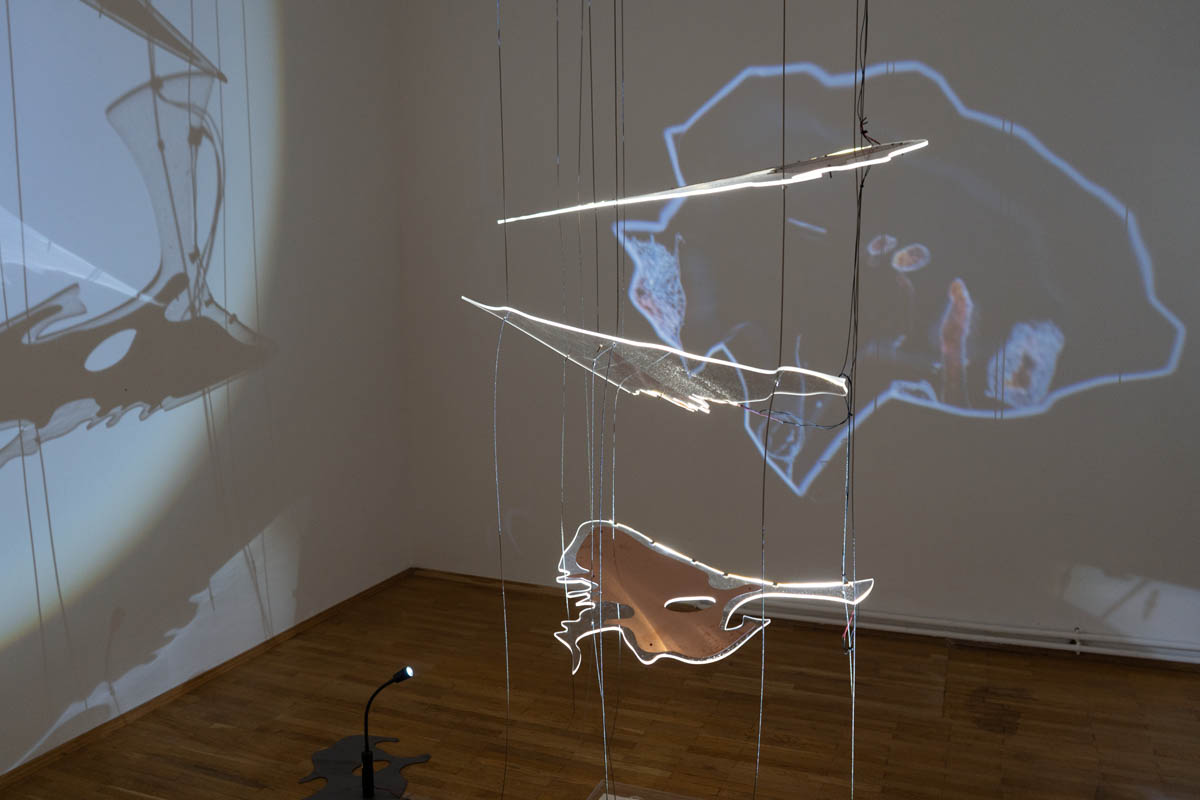
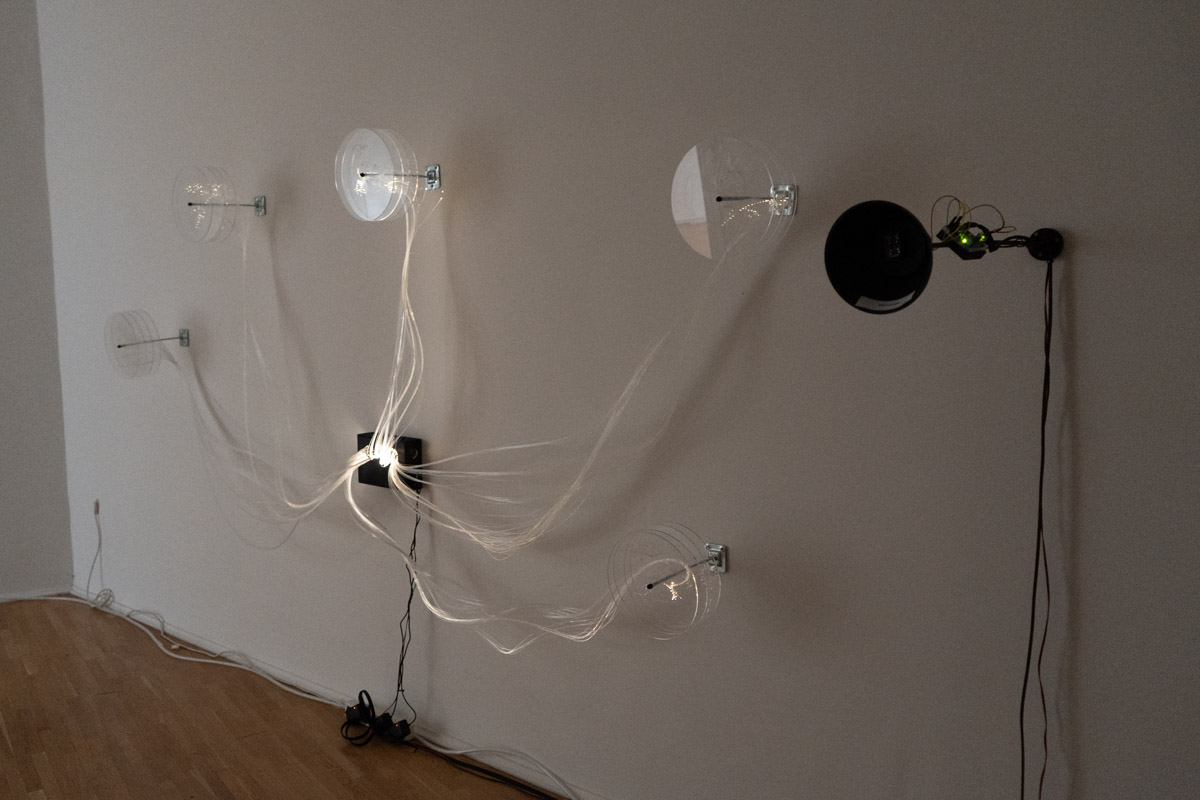
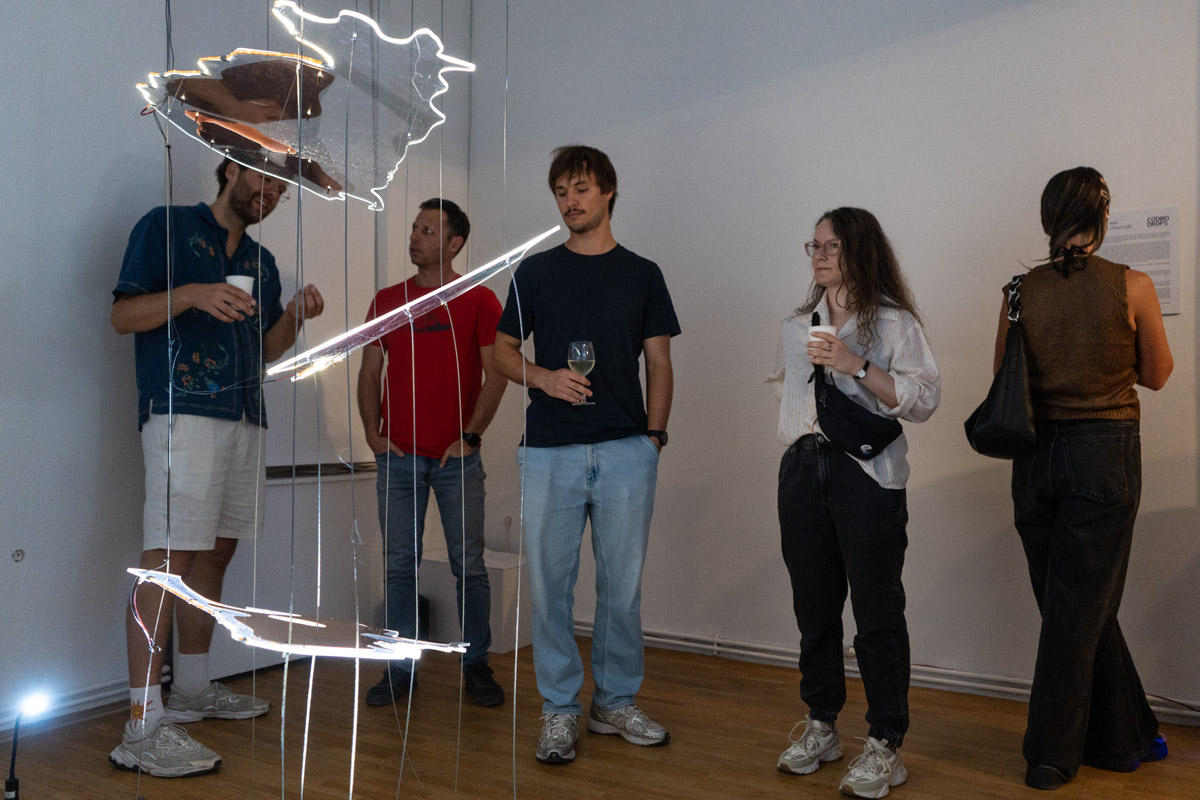
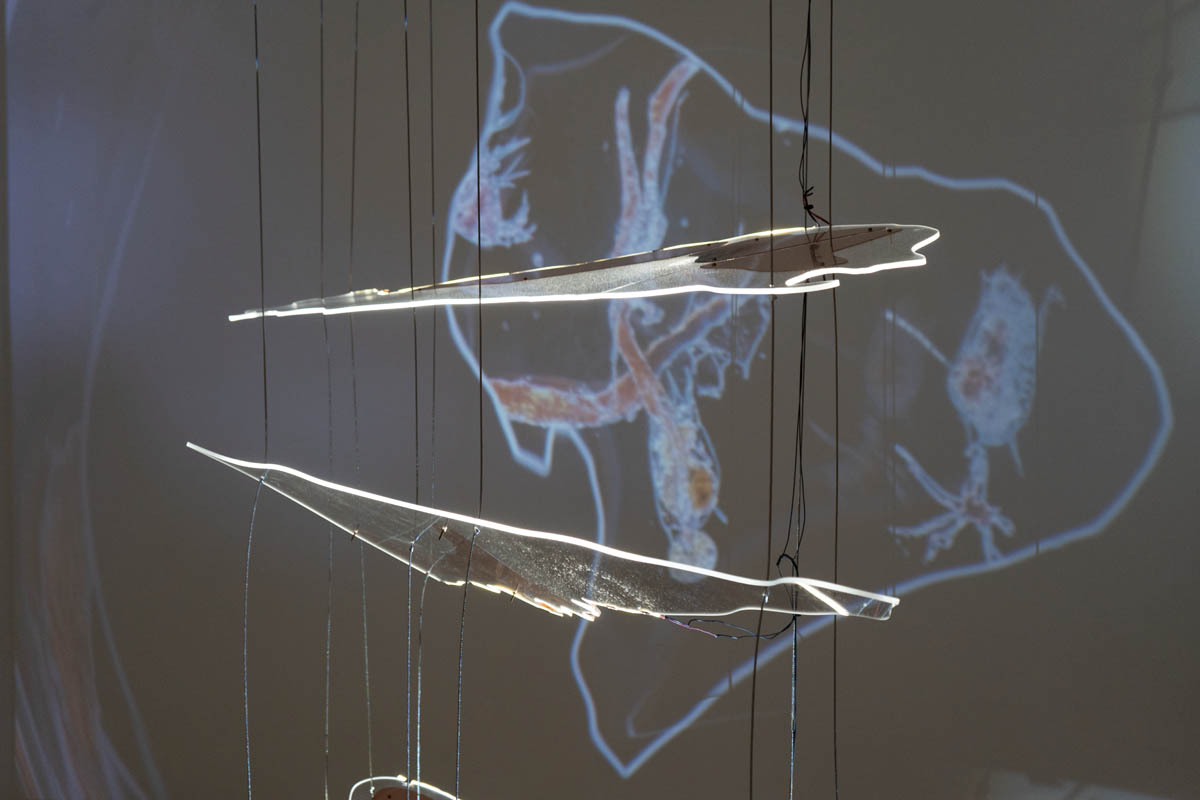
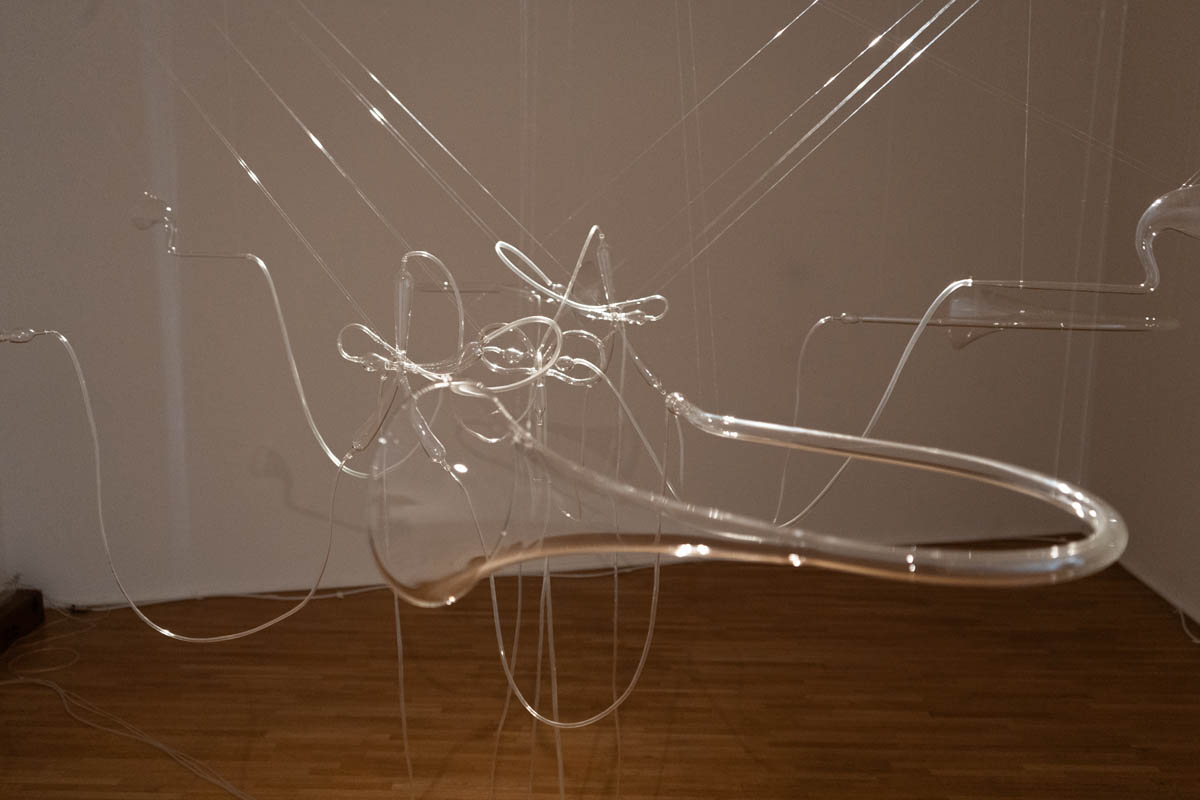
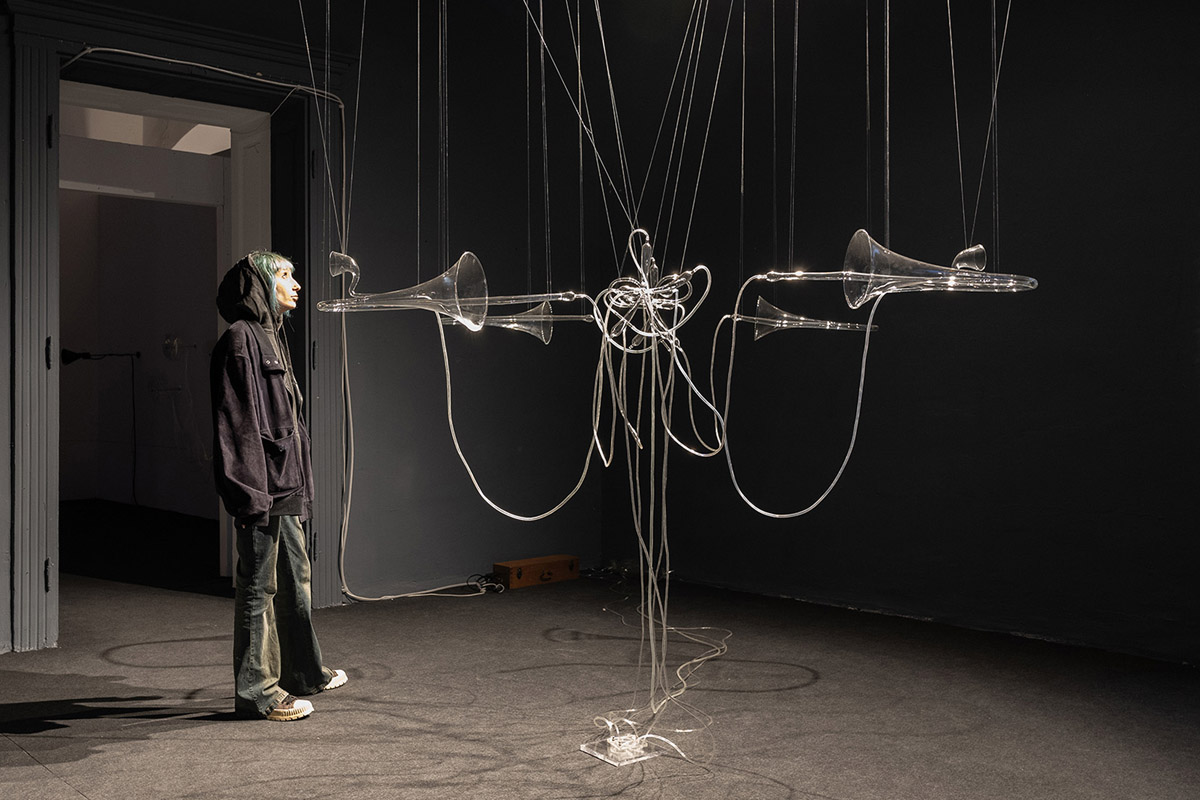
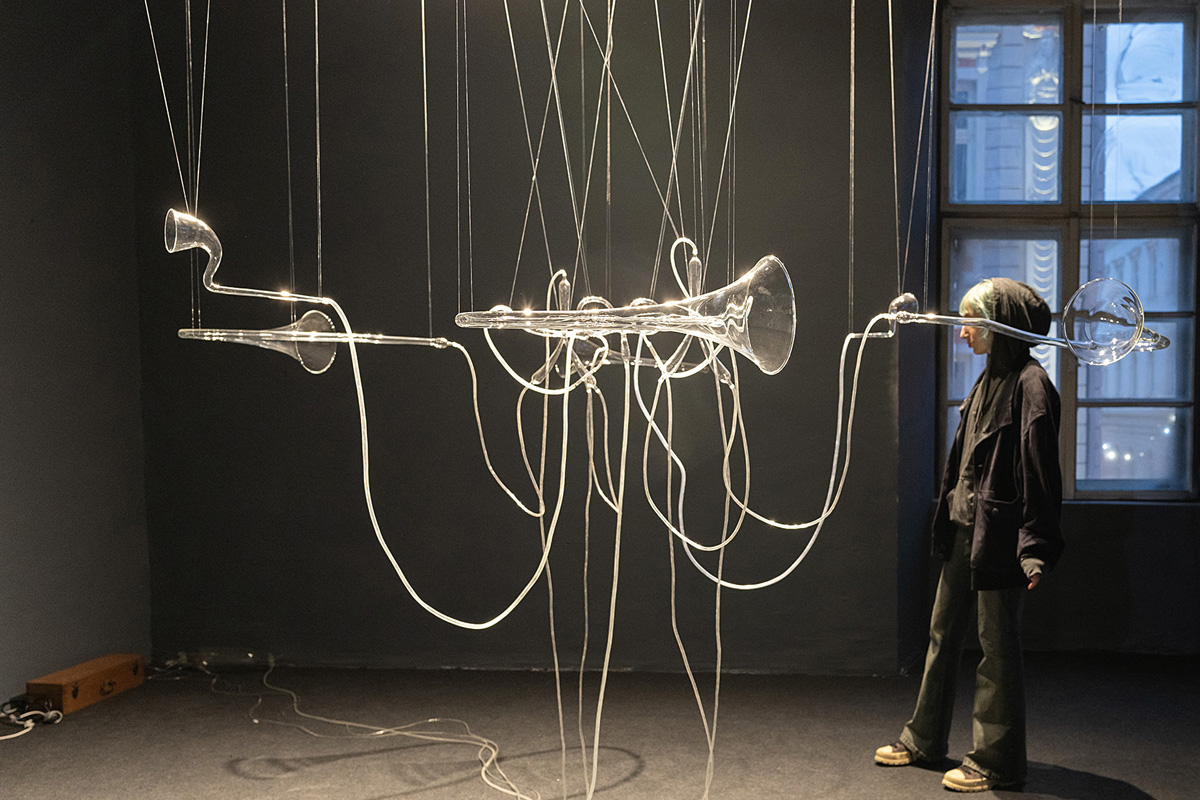
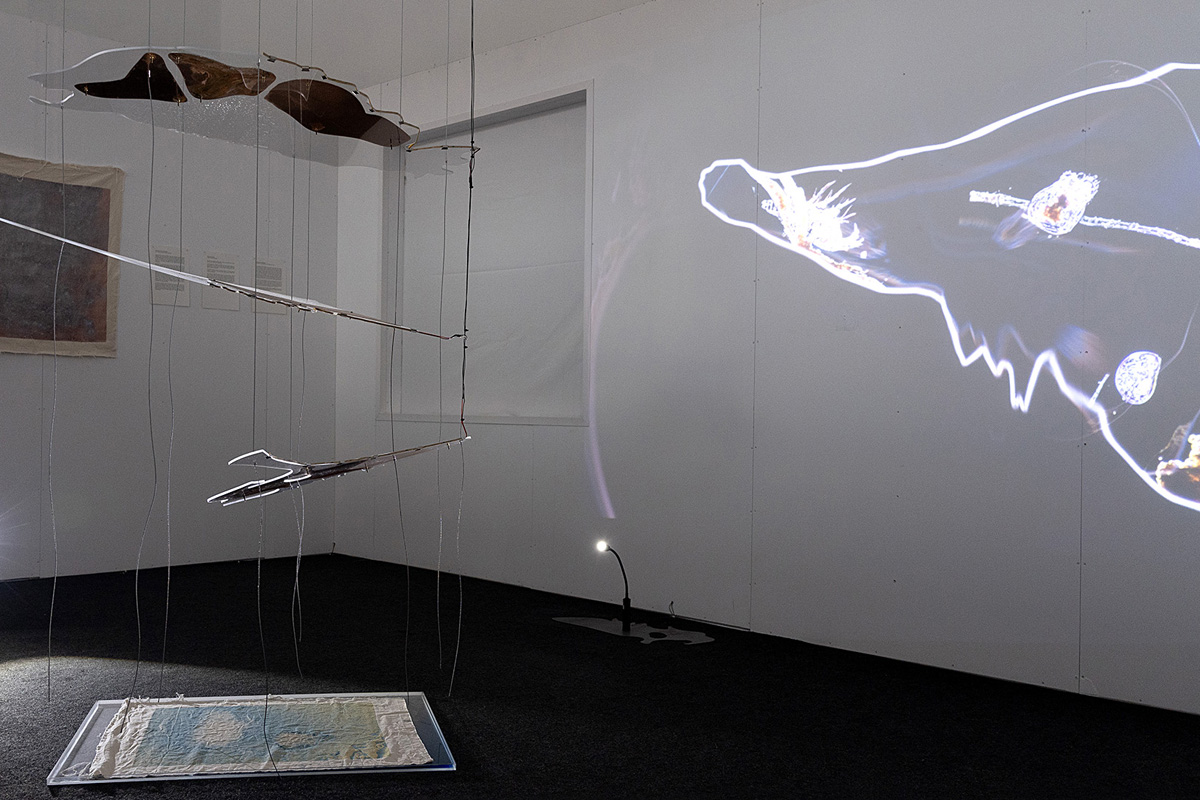
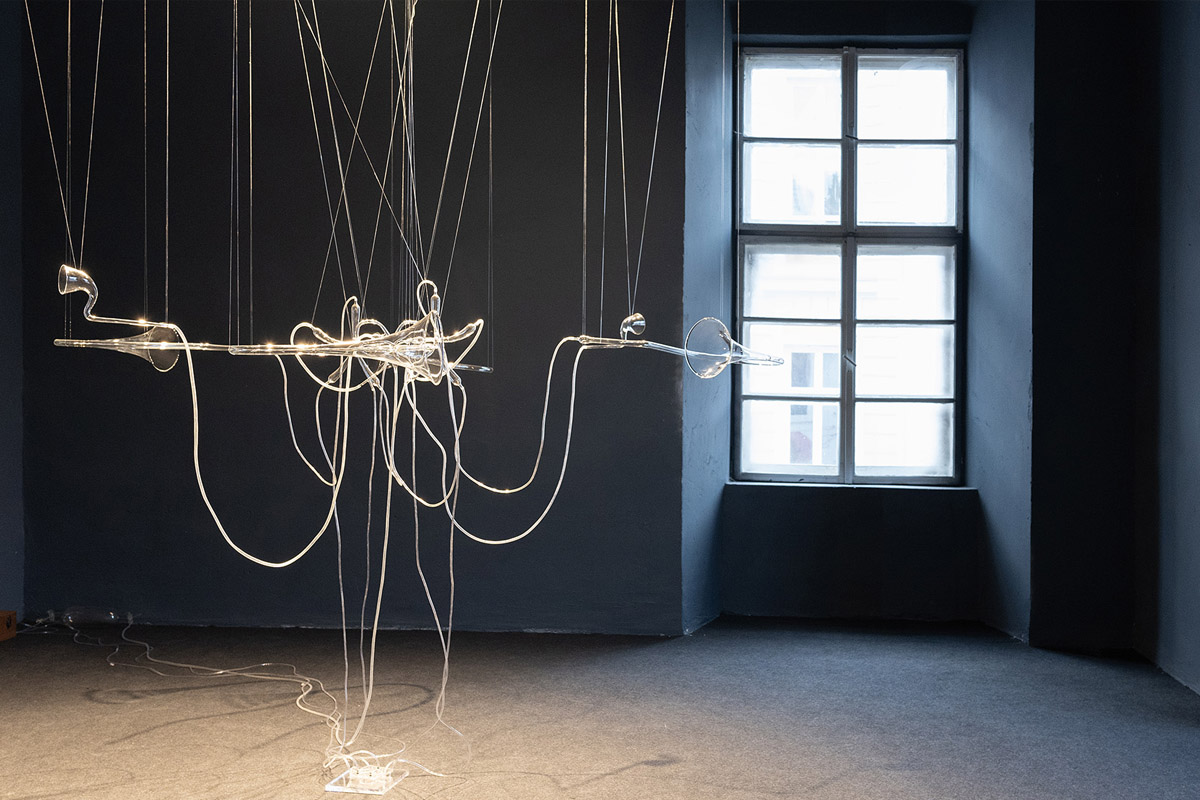
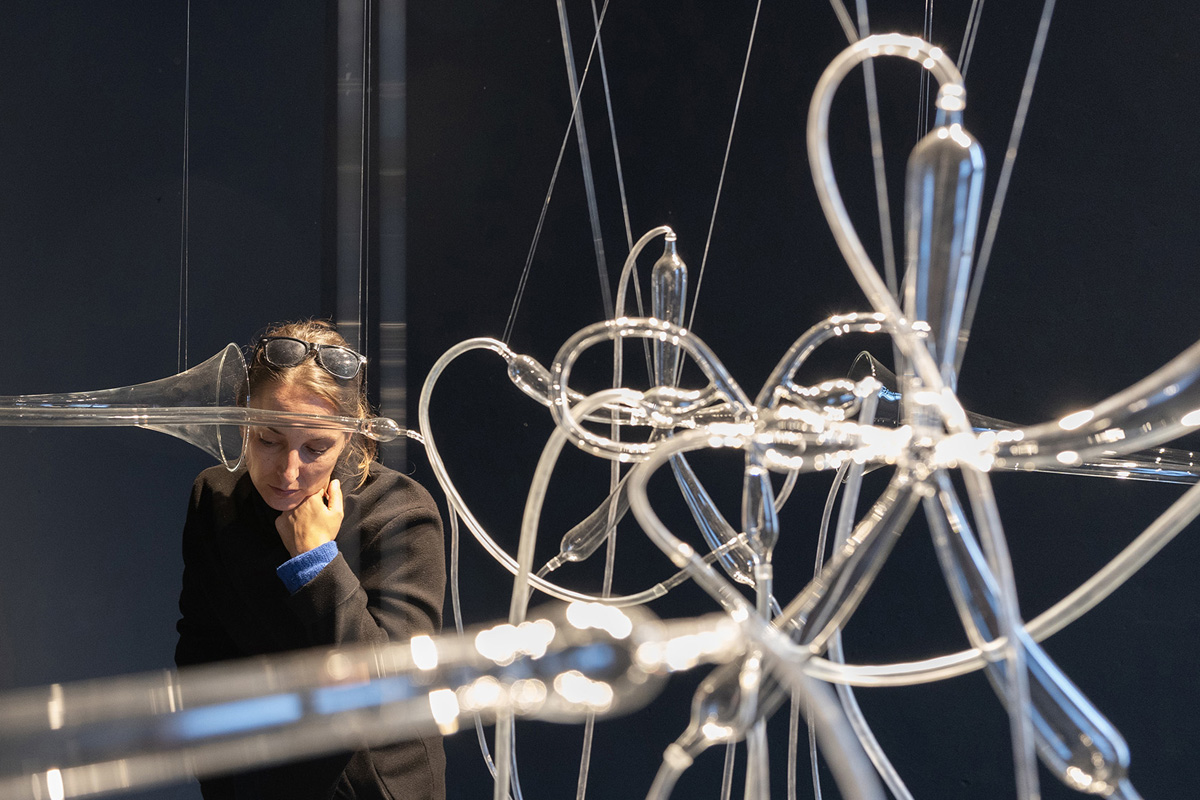
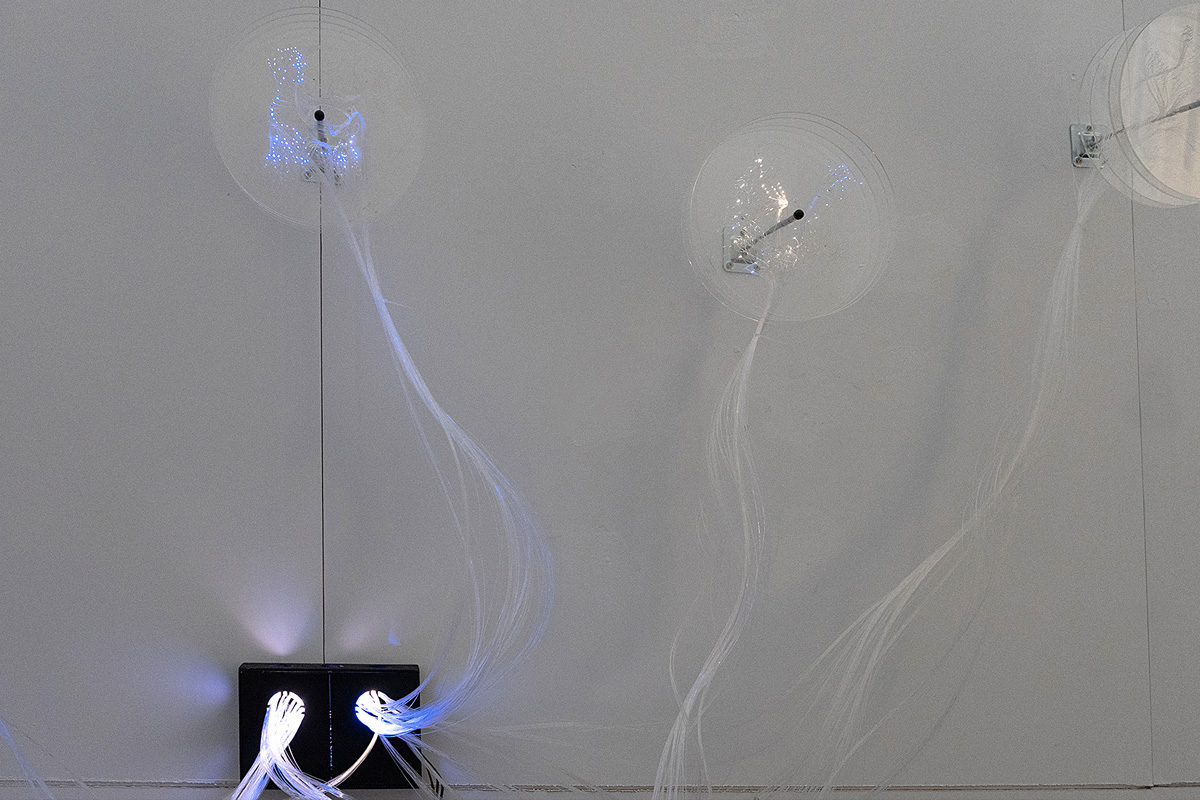
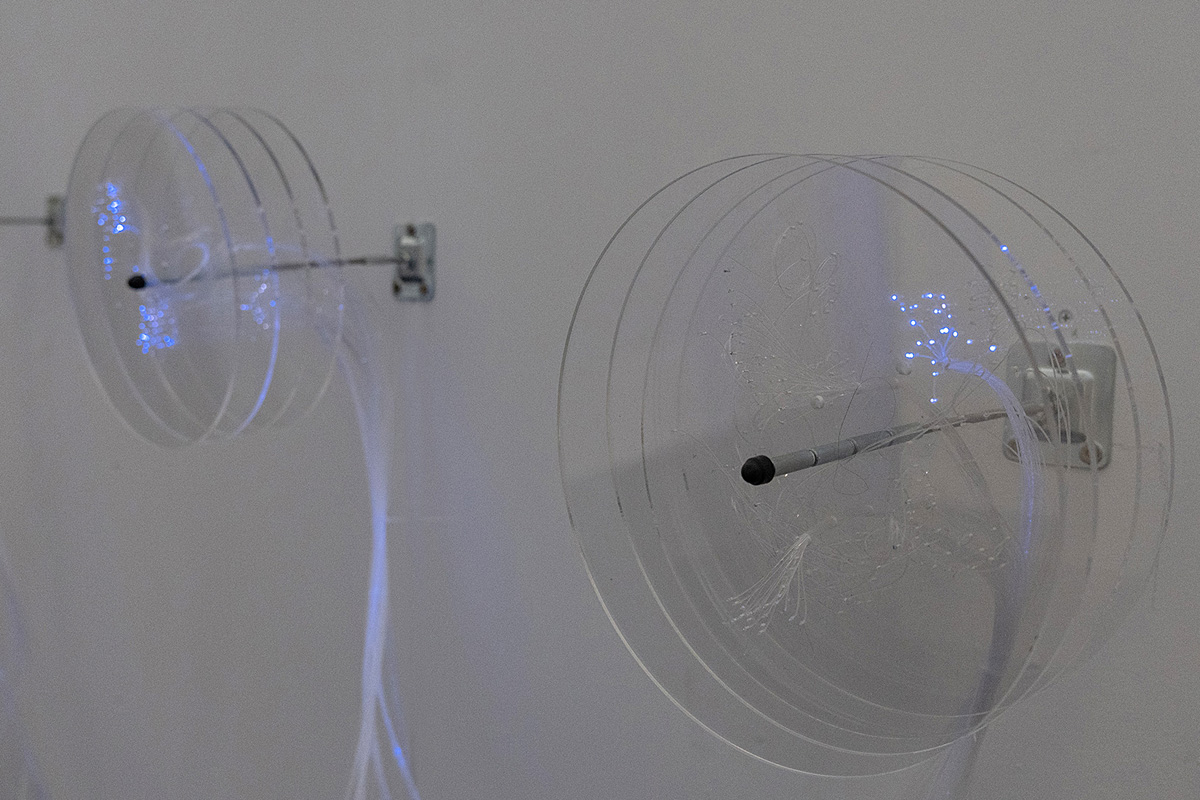
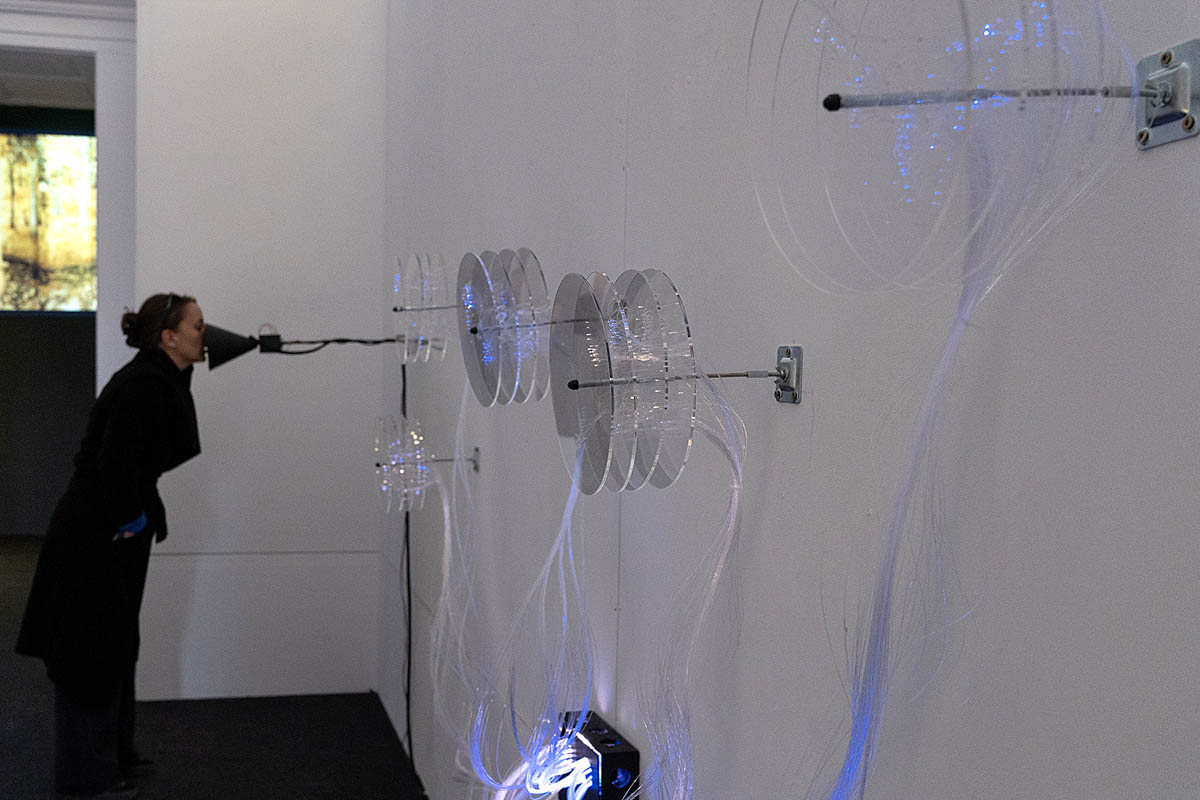
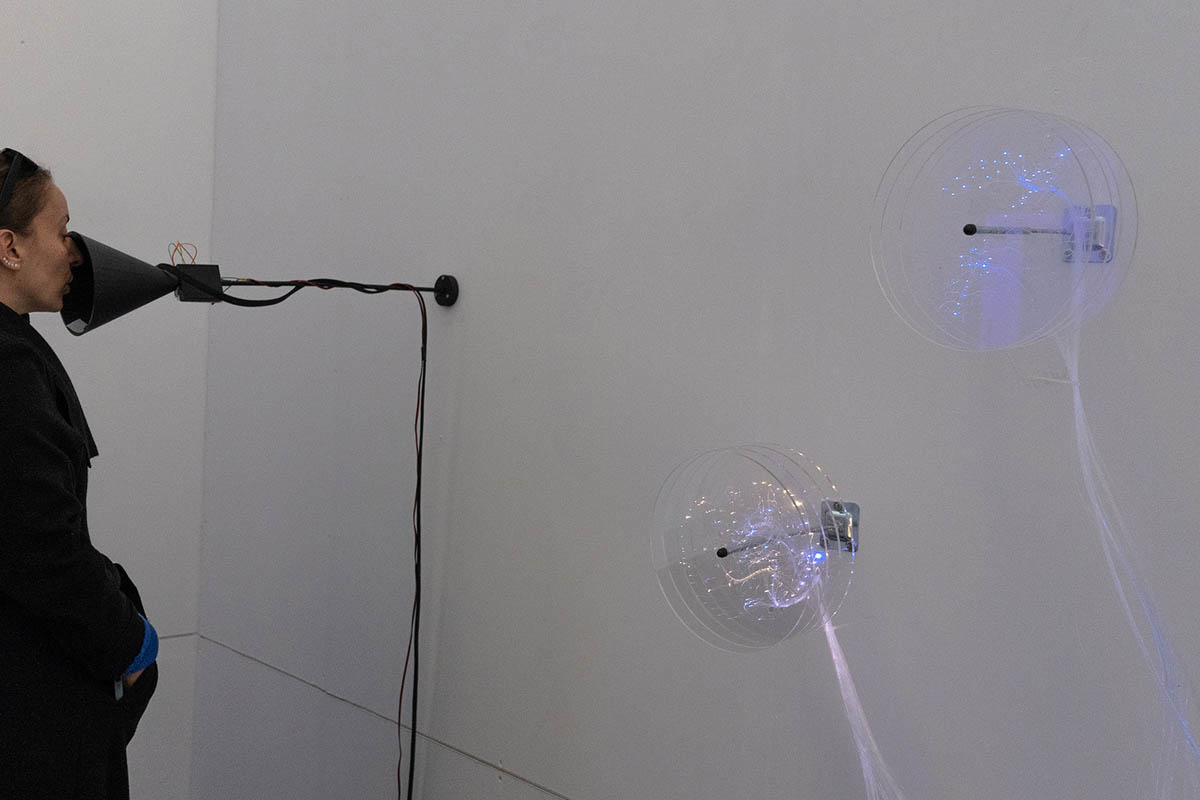
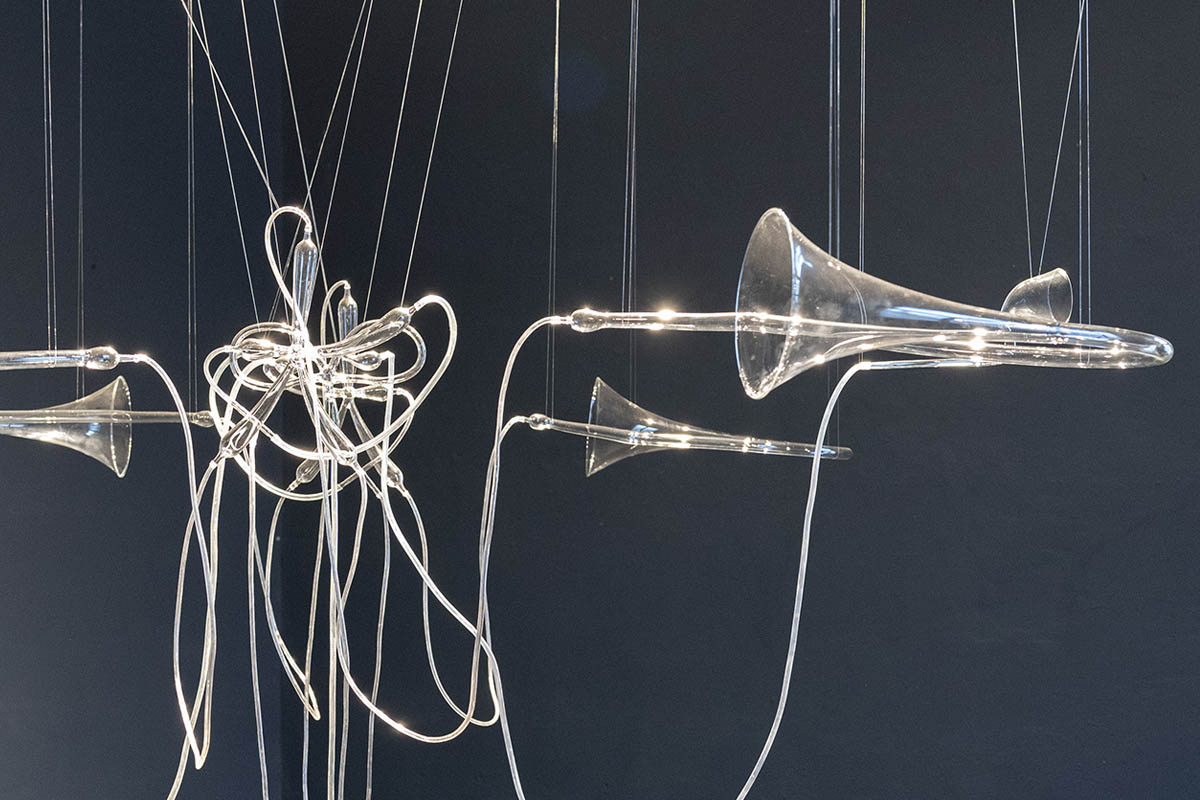
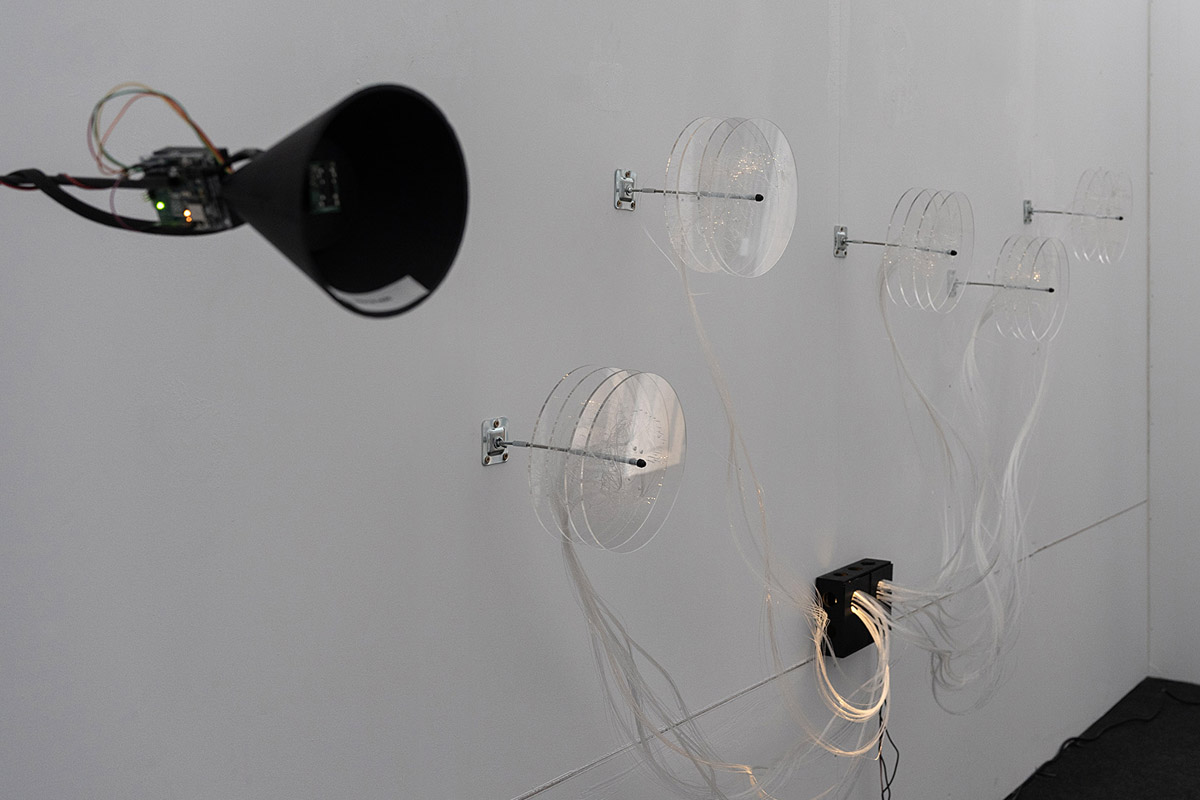
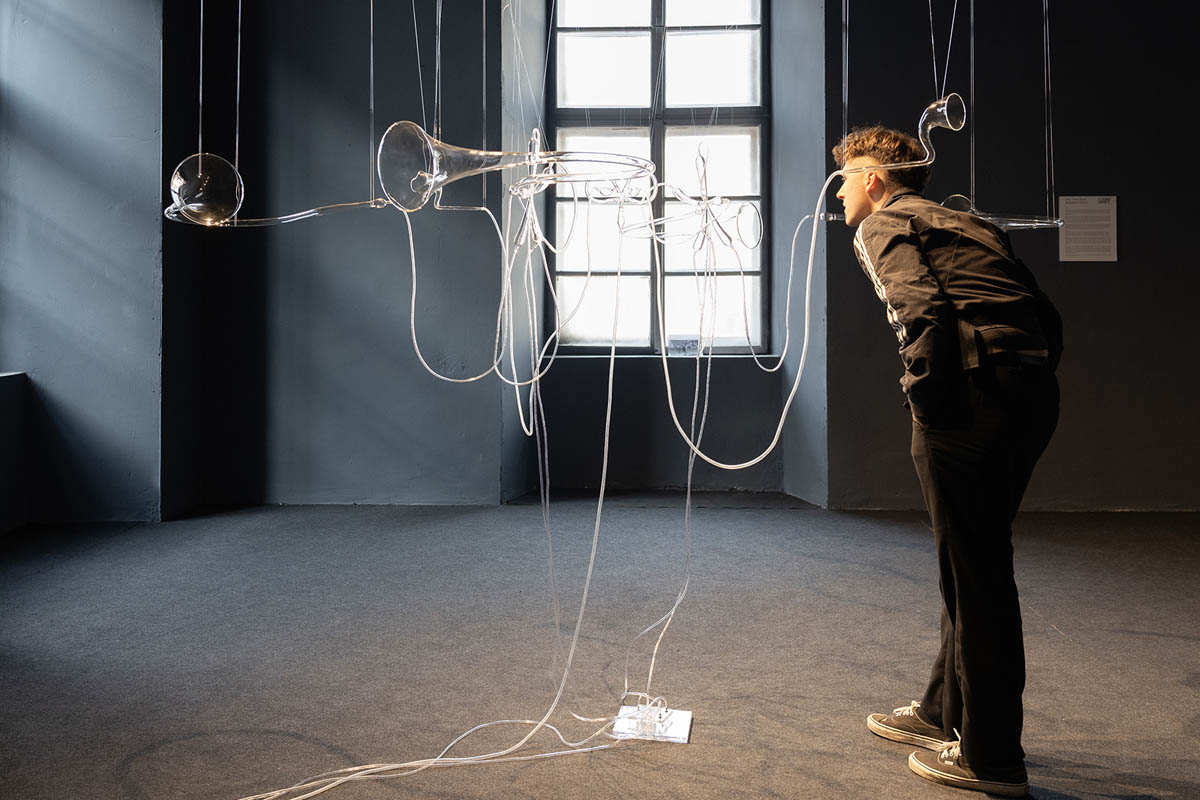
Coding Drops continues the Qolony Association’s interdisciplinary exploration of territories shaped by water, such as the Danube Delta, extending this inquiry into the intersections between environmental sensoriality, fluid-mediated communication, and the poetics of perception. In collaboration with the Danube Delta National Institute for Research and Development (INCDDD) and The National Institute for Laser, Plasma and Radiation Physics, the exhibition grounds its speculative gestures within a framework of contextualized scientific and artistic research. The artists engaged in field expeditions and site-specific observations, gathering samples, conversing with scientists, and experimenting with optical and bio-inspired technologies. The installations presented here reflect on fluidity not only as a material property, but as a conceptual framework—one that resists control, values inter-species relation, and embraces uncertainty. Ioana Vreme Moser, Mark IJzerman, and Floriama Cândea each explore different aspects of fluid systems as forms of expression and interpretation.From foghorn rhythms to light-breath pulses to contaminated water traces, Coding Drops invites us to experience the world not through static frameworks, but through drifting, leaky, responsive systems. In their works, fluids emerge as languages and sensing bodies—mediums of memory, transformation, and delay. Fluids are not just carriers—they are filters, editors, and agents of delay. They blur the boundaries between message and noise, between structure and drift. A drop of water may hold chemical traces of an industrial history. A breath may trigger an invisible exchange. A foghorn may cut through the fog with coded rhythm. In this way, fluids act as both signal and medium, repositories of ecological memory and tools for speculative systems. In Nautophone Telecom, Ioana Vreme Moser reconstructs a pneumatic circuit, where bursts of compressed air reanimate the foghorn signals once used for navigation in the Danube Delta—transforming air pressure into acoustic presence and rhythmic expression.In Neural Bloom, Floriama Cândea creates a network of light-responsive sculptural nodes based on aquatic plants and algae, where each element “breathes” in response to CO₂ from the viewer’s exhalation—highlighting the atmosphere as a shared and fragile commons.In Watershed (Final Call), Mark IJzerman follows polluted water through the delta’s filtering layers, using reactive textiles, underwater sound, and microscopic projections to trace the breakdown of communication in ecosystems under pressure. In each of these works, fluid systems modulate information in ways that resist repetition and control. Fluids connect bodies, create shared infrastructures, and open up the possibility of involuntary collaboration. They drift, pulse, and remain on the edge of becoming something else. In this way, they reflect the logic of ecological and social systems—non-linear, non-immediate, reactive, sometimes entangled, and slow to recover. In a world shaped by rising temperatures, fading signals, and transforming ecologies, perhaps what matters most is not how clearly we speak, but how closely we learn to listen.
curators: Alex Radu, Floriama Candea
/SAC Berthelot Bucharest
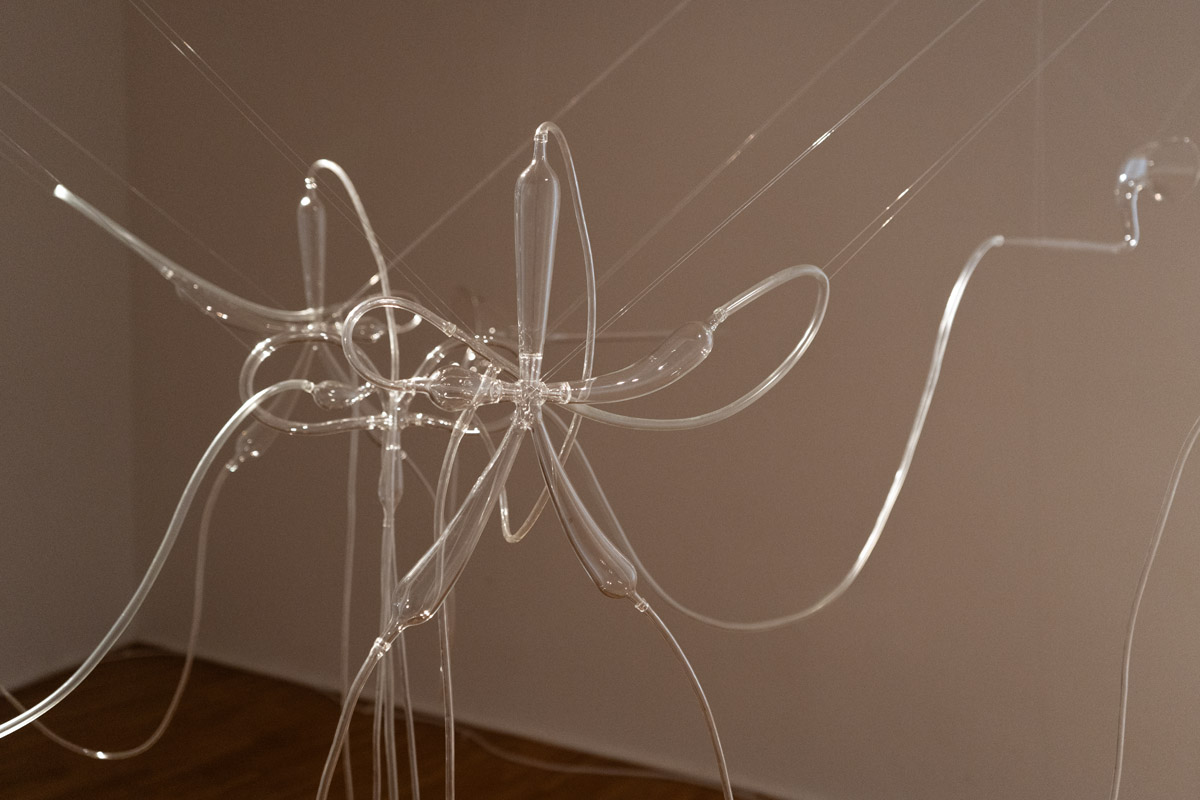
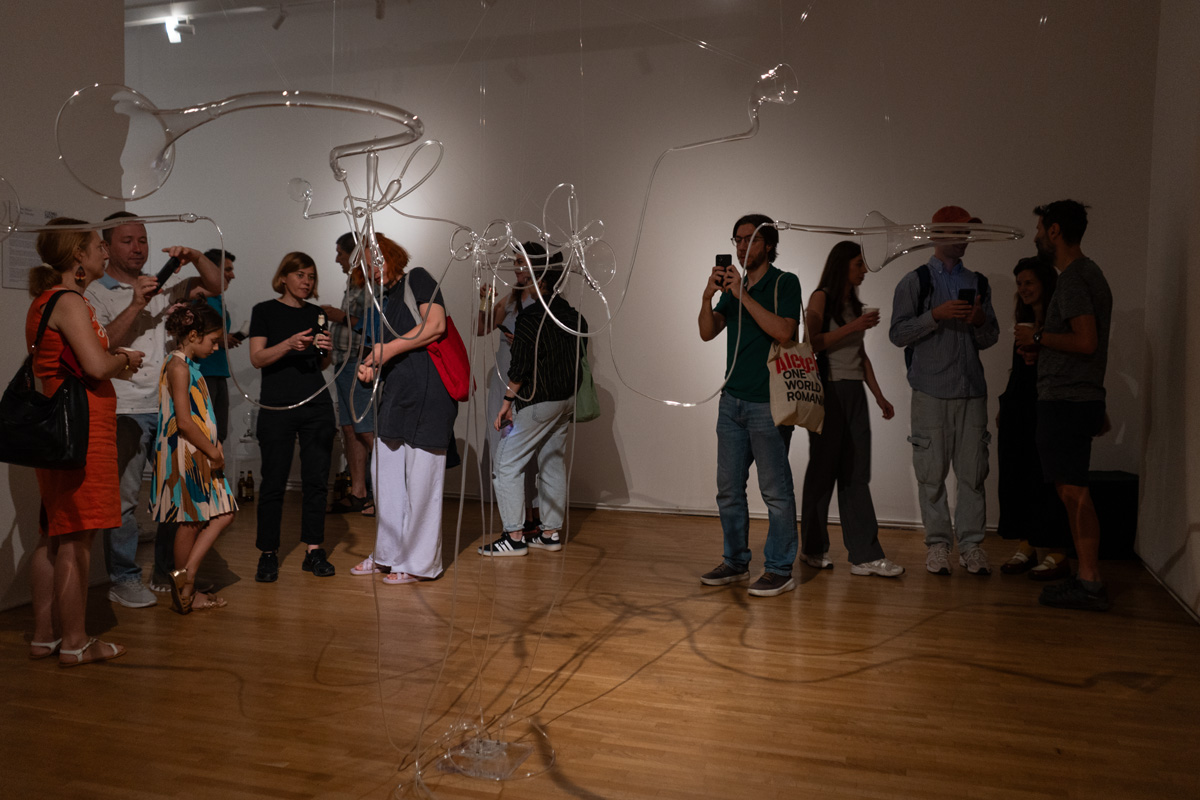
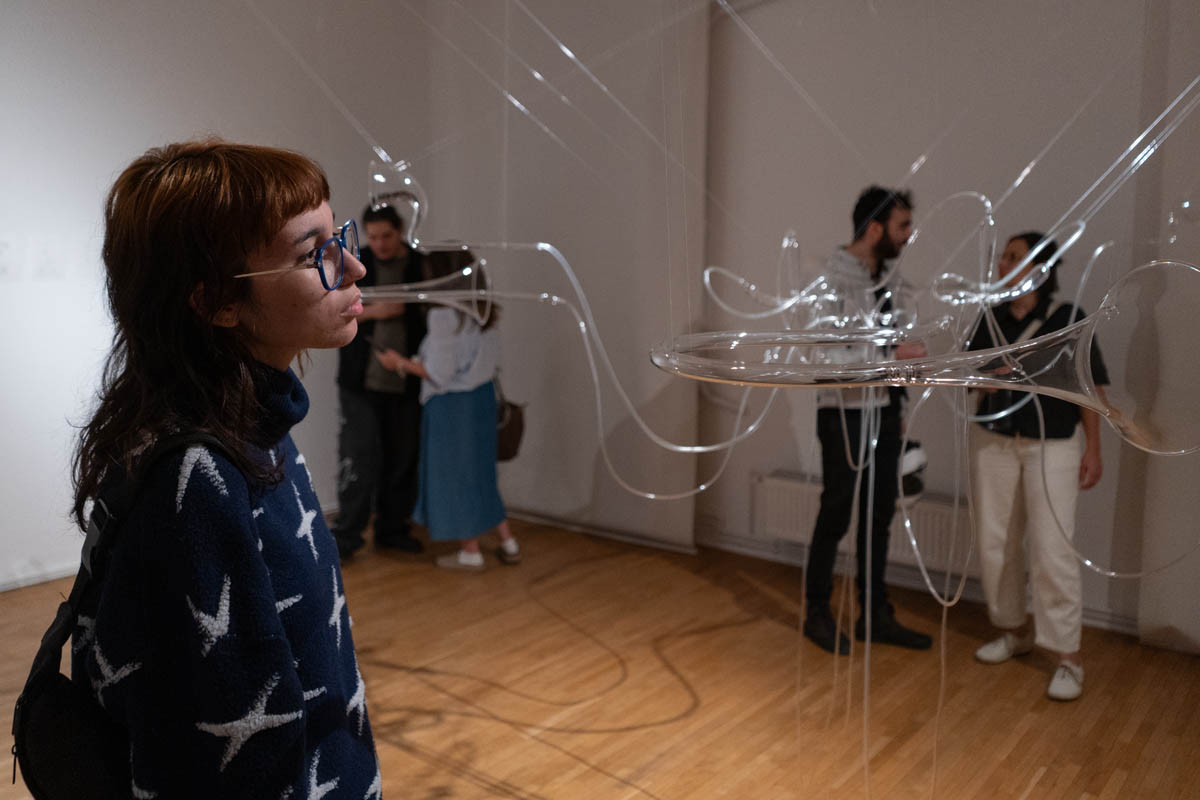
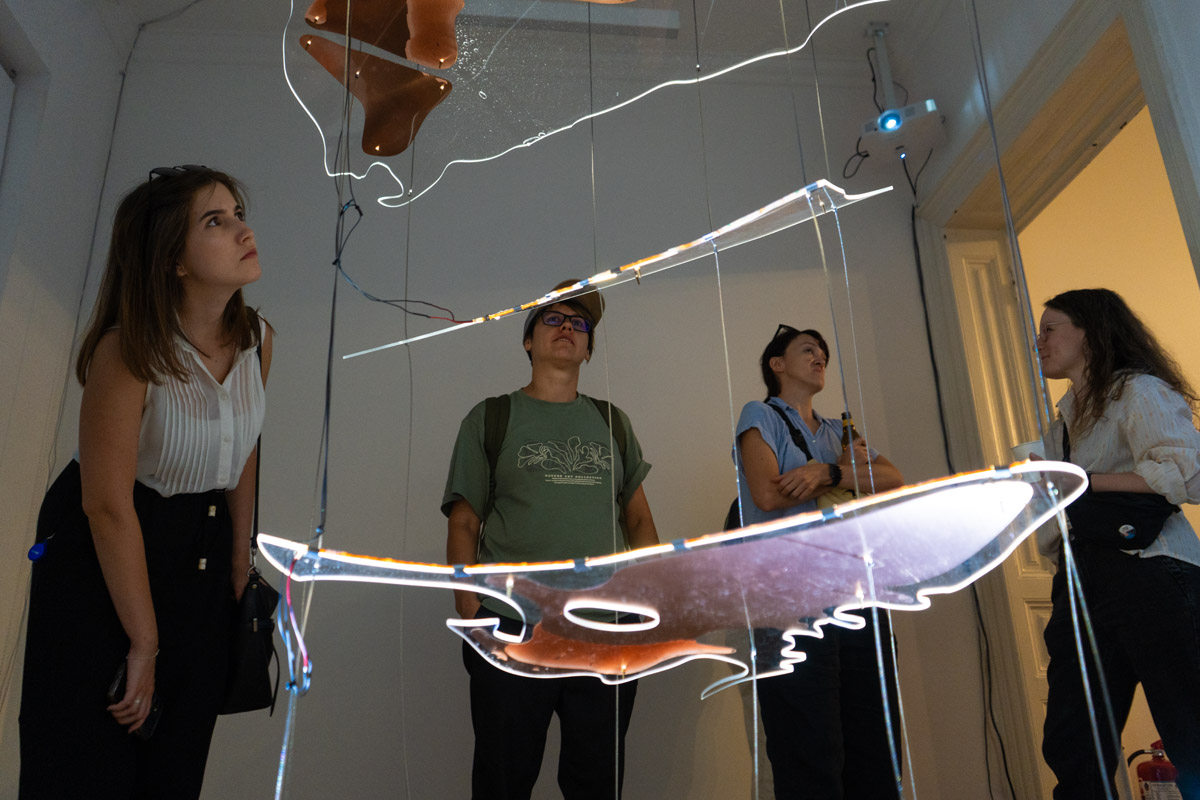
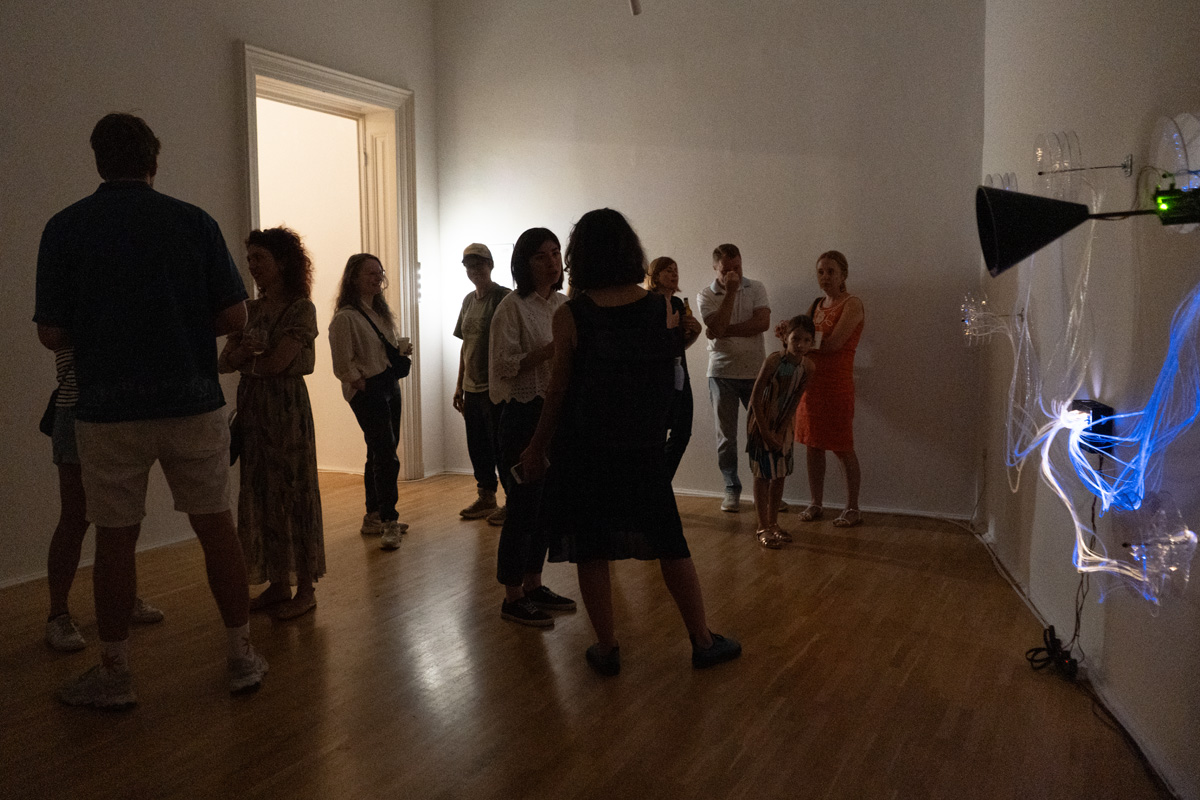
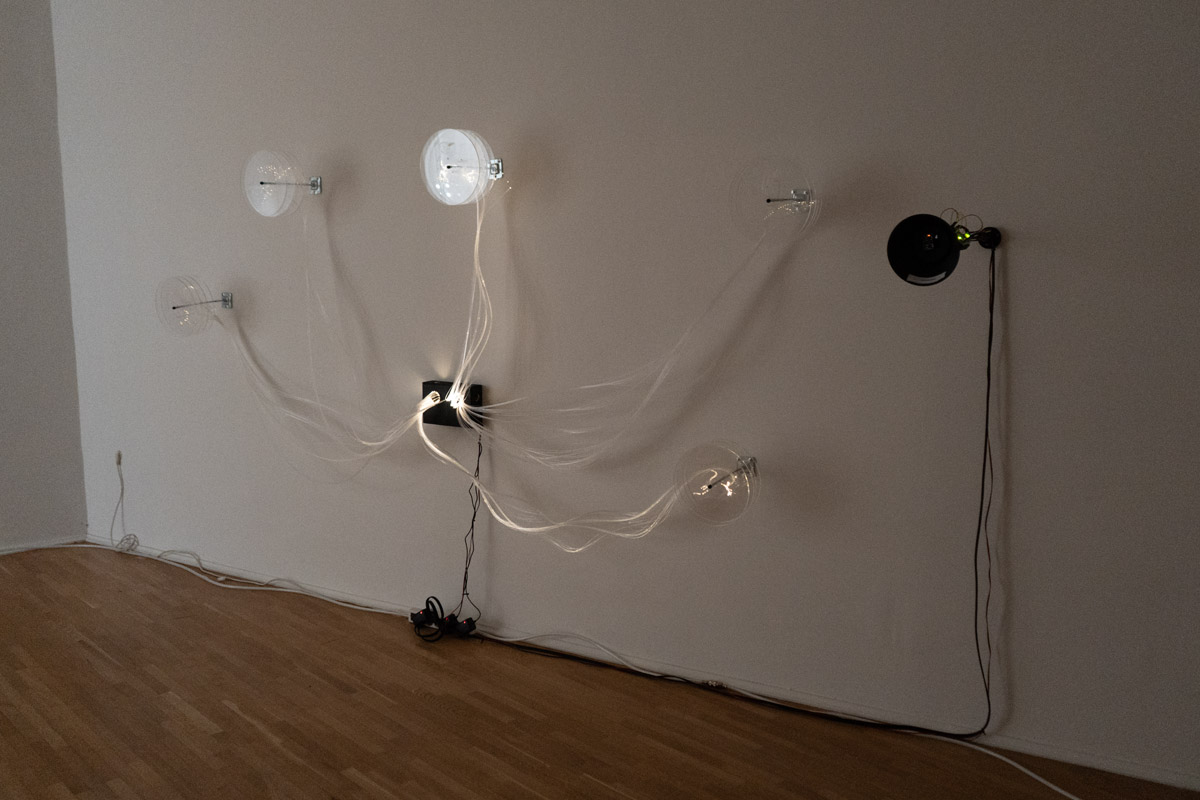
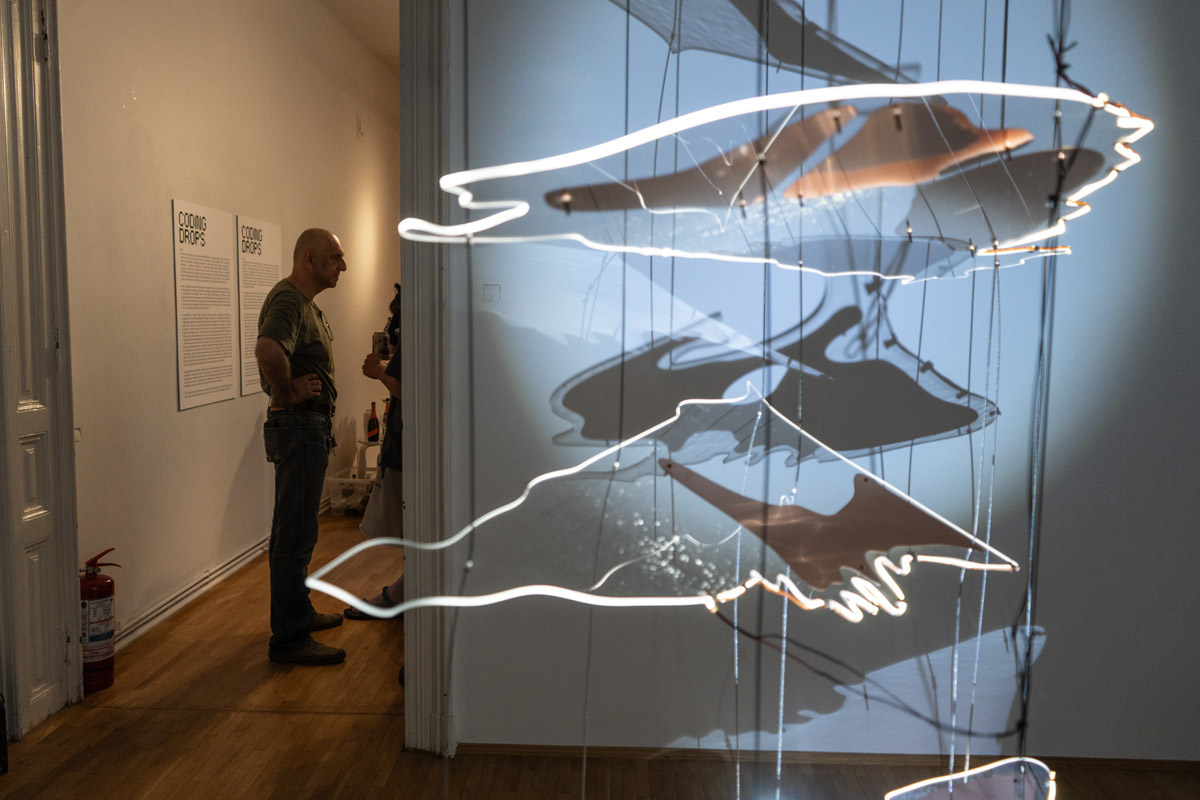
photos: Elena Maxemciuc
SIMULTAN FESTIVAL 2025
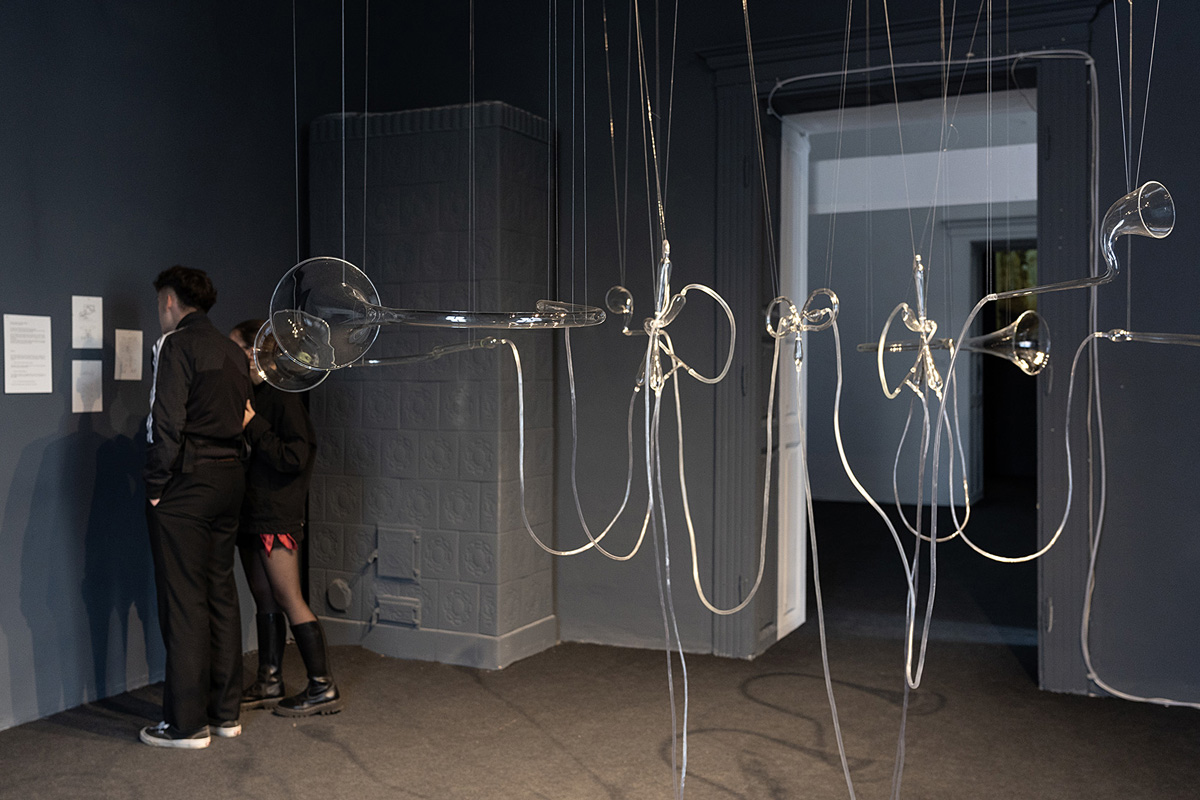
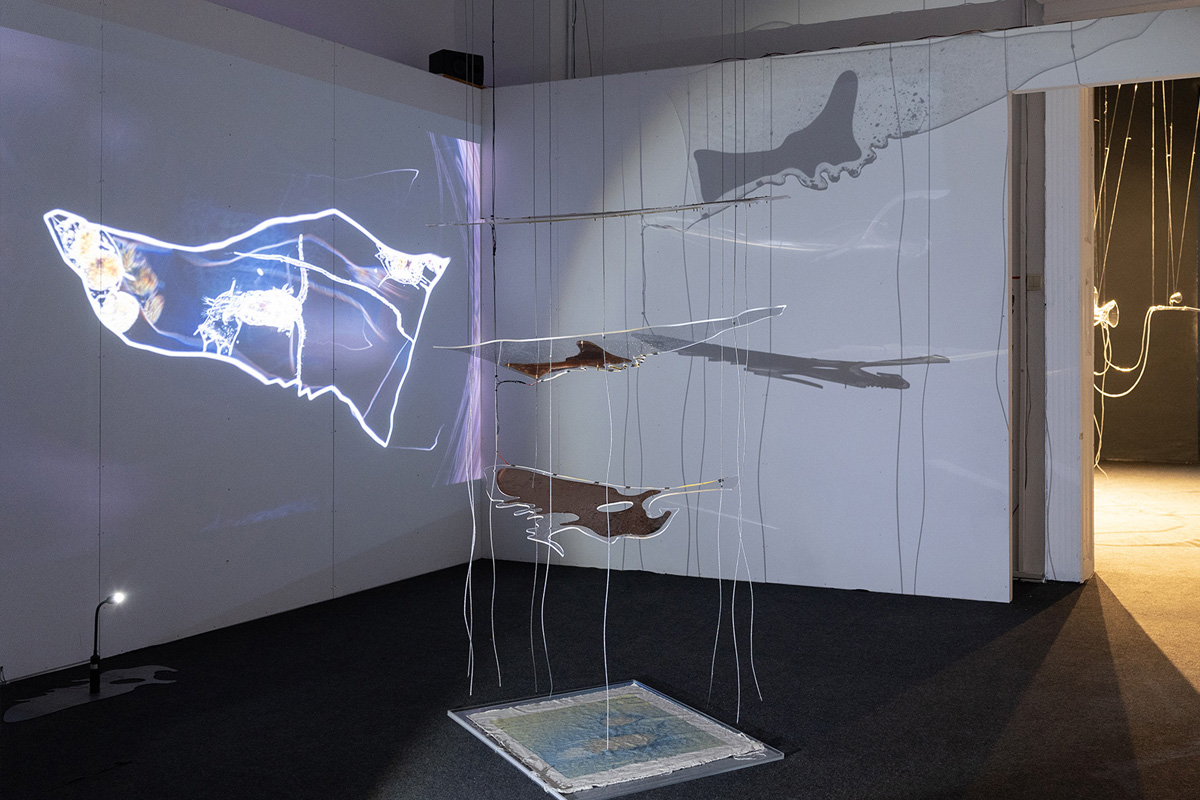
photos: Levente Cosma
WITH THE SUPPORT OF:

INSTITUTIONAL PARTNERS:





RESEARCH PARTNERS:
MEDIA PARTNERS: